Israel to accept Gaza plan, Netanyahu aide says
Plus: Nvidia unveils its new AI chip platform, called Rubin; Exit polls in India project a win for Modi; The ECB is expected to cut rates this week.


Good morning. Here's what happened overnight and what you need to know today.

1.
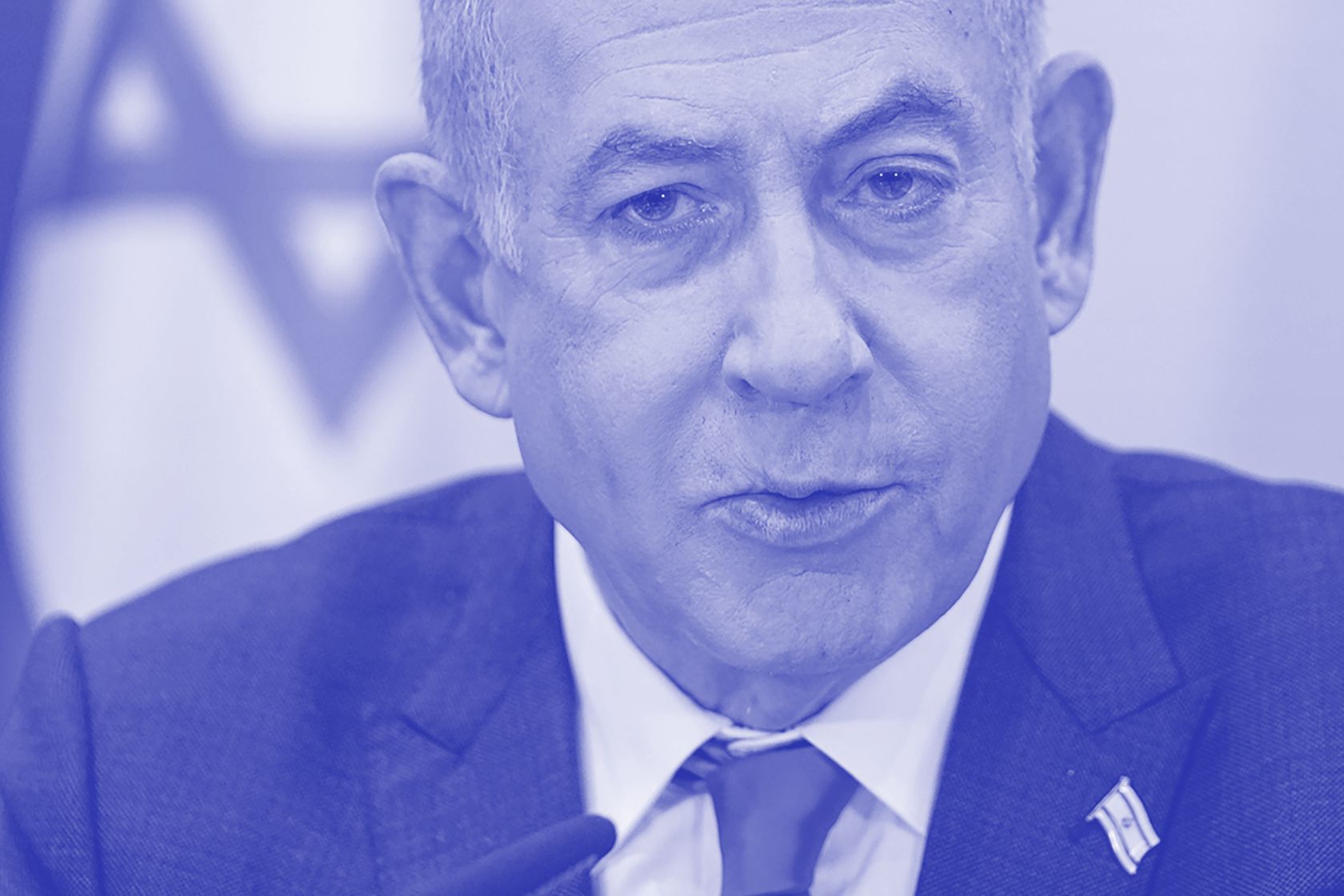
Israel-Gaza deal: An aide to Israeli Prime Minister Benjamin Netanyahu has said that Israel has accepted a framework for ending the Gaza conflict proposed by US President Joe Biden, although he described it as “not a good deal”. In comments to Britain's Sunday Times, Netanyahu’s chief foreign policy adviser Ophir Falk also emphasised that the release of the hostages and the destruction of Hamas were non-negotiable conditions. The three-phase plan, announced by Biden on Friday, outlines a process leading to a complete ceasefire and the release of all hostages held in Gaza for the past eight months. The proposal has faced strong opposition from far-right partners in Israel's ruling Coalition who are threatening to leave if the deal spares Hamas, while centrist partner Benny Gantz wants the deal considered. The plan suggests Hamas would play a role in the process, clashing with Israel’s goal of eliminating the group, which has provisionally welcomed the deal but insists on a comprehensive agreement ensuring the end of the Gaza offensive and other demands. International support for Biden’s plan has grown, with endorsements from Spain, France, Germany and Belgium. The plan’s initial phase includes a six-week ceasefire, withdrawal of Israeli forces and the release of women and children hostages, followed by broader negotiations and reconstruction efforts in Gaza. (Sunday Times)(Reuters)(NBC News)
2.
Nvidia surprises: Nvidia unexpectedly announced its next-generation AI processors, called Rubin, at the Computex conference in Taipei on Sunday. The announcement by chief executive Jensen Huang came just three months after the company introduced its Blackwell chips, which haven't even started shipping to customers and will eventually be replaced by the new processors. Huang provided few details but said the Rubin platform, expected to launch in 2026, will include new graphics and central processors and processing chips. “A new computing age is starting,” Huang said, clad in his trademark black leather jacket. Shares in the AI chip leader have tripled in the past year, propelling Nvidia into the ranks of the world's most valuable companies. It now appears ready to expand its customer base beyond major cloud-computing companies to include diverse sectors such as government, shipbuilding and drug development. The company also announced new AI chip deals with PC makers Asus and MSI, which will launch machines using Nvidia’s graphics processing units to support AI tasks. Nvidia also plans to upgrade its AI accelerators every year, roughly halving the time it typically takes to release new models. (Nvidia blog)(FT)(Reuters)
3.
India’s Modi claims victory: Exit polls project a major victory for Indian Prime Minister Narendra Modi’s Bharatiya Janata Party (BJP)-led alliance after the last day of voting in its long-running election, resulting in a third consecutive term. The National Democratic Alliance (NDA) is expected to secure between 353 and 401 of the 543 parliamentary seats, surpassing its 2019 tally of 353. Official results will be announced on Tuesday. The opposition, led by Rahul Gandhi’s Congress party, is projected to win 125-182 seats. Despite the opposition dismissing the exit polls as biased and unscientific, market analysts predict a positive reaction in financial markets to the polls due to the projected continuity of Modi's economic policies. If confirmed, Modi will become only the second prime minister — after Jawaharlal Nehru — to win three consecutive terms in India. Modi has already claimed victory based on the exit poll results. “I can say with confidence that the people of India have voted in record numbers to reelect the NDA government,” he posted on the social media platform X. The BJP's strategy focused on Modi's popularity, which appears to have paid off, with the exit polls suggesting the party made gains in southern India and retained dominance in northern states. (Bloomberg)(Reuters)
4.
Rate cuts: The European Central Bank (ECB) and possibly the Bank of Canada are set to begin cutting interest rates this week, becoming the first major monetary authorities to lower borrowing costs since the global post-pandemic inflation surge began. Bond traders are fully pricing in a quarter-point cut to the ECB’s 4% policy rate on Thursday, despite a recent uptick in Eurozone inflation. This follows signals from ECB policymakers, led by President Christine Lagarde, that have cemented expectations of a June cut, positioning the ECB ahead of the US Federal Reserve, the Bank of England and the Reserve Bank of Australia. However, further ECB cuts remain uncertain after May data showed an unexpected rise in underlying inflation for the first time in a year, amid a stronger European economy and rising wages. Traders are also pricing in a roughly 65% chance that the Bank of Canada will cut its 5% deposit rate to 4.75% at its Wednesday meeting. That decision follows four consecutive reports of a slowdown in the inflation rate and slower-than-expected economic growth. However, a strong Canadian labour market and solid household consumption are complicating the central bank's decision on whether to cut now or wait until its July meeting. (Bloomberg)(FT)
5.
Trump on TikTok: Fresh from making history as the first US president to be convicted of a crime, Donald Trump joined TikTok, the video-sharing app he once sought to ban, to engage younger voters ahead of the November election. Despite leading polls against President Joe Biden in key swing states, Trump is seeking to redirect attention from his conviction last week. Shortly after the verdict in New York, where he was found guilty of falsifying business records to conceal a hush-money payment before the 2016 election, he touted a 24-hour fundraising record of nearly USD53 million ($81 million). Trump’s first TikTok post featured scenes of fans cheering for him at a UFC fight in Newark, New Jersey on Saturday night. His campaign is now aiming to maximize outreach through the app, especially given its two-to-one ratio of pro-Trump versus pro-Biden content, according to Politico. The move is a win for the Chinese-owned app, which Trump once unsuccessfully tried to ban over national security concerns, and which is now facing a potential US ban if it doesn’t divest from its Chinese parent ByteDance, after the Biden administration signed a divest-or-ban law with congressional Republican support earlier this year. The company is suing the US government over the legislation. (Politico)(The Guardian)(Bloomberg)
6.
OPEC cuts extended: OPEC+ has expanded most of its oil output cuts through 2024, with plans to gradually phase them out in 2025 and stabilise prices amid weak global demand, high interest rates and increased US production. The group, comprising OPEC and its allies, will maintain long-standing production cuts of 3.66 million barrels per day. Eight top producers will continue voluntary cuts totalling 2.2 million barrels per day, including a significant cut by Saudi Arabia, which will be gradually eased through September next year. However, the UAE was given a 300,000 barrels per day boost to its output between January and September 2025. The agreement reached in Riyadh exceeds expectations by extending key members' voluntary cuts into 2025 but also starts reversing these reductions sooner than predicted. The curbs aim to counteract bearish market sentiments and maintain stability in oil prices. The decision coincides with Saudi Arabia's USD12 billion share sale in its national oil company, Aramco, aimed at funding the kingdom's economic transformation. (Wall Street Journal)(Bloomberg)(OPEC statement)
7.
EU far-right rise: This week, close to 400 million European citizens will be called to vote for 720 members of the European Parliament, the EU’s main legislative and budgetary authority. Elections will take place from Thursday to Sunday, reflecting national moods across 27 countries. Right-wing and populist parties are expected to gain ground, while centre-left and Green parties may lose votes and seats. This shift could impact EU policies on the environment, climate change, the Russian invasion of Ukraine, migration, and trade agreements. In France, the National Rally party is set for a substantial victory, consistently polling ahead of rivals, while President Macron's Renaissance party is predicted to struggle to at least maintain second place. In Belgium, the far-right party Vlaams Belang is poised to lead, pressuring traditional parties to possibly break coalition pacts. In Poland, security issues are front of mind due to Russia's invasion of Ukraine, with Prime Minister Donald Tusk's Civic Coalition and the Eurosceptic Law and Justice party roughly tied, according to polls. Italy’s Giorgia Meloni is expected to solidify her influence in Europe, while Germany’s Chancellor Olaf Scholz faces backlash over Ukraine policies. In Spain, the conservative People’s Party is seeking gains at Prime Minister Pedro Sánchez’s expense, and Austria's far-right Freedom Party is campaigning against “EU chaos” and climate policies.(Politico)(The Conversation)(BBC)
8.
Mexico decides: Voting is under way in Mexico, which is expected to result in the election of the country's first female president. Following a campaign marred by violence, nearly 100 million citizens were registered to vote for president, a new congress, eight state governors, the capital’s mayor, and various other positions on Sunday, local time. Claudia Sheinbaum of the ruling left-wing Morena party has dominated the presidential race over her primary challenger, Xóchitl Gálvez, who represents a coalition of parties. The election will also fill thousands of local leadership positions amid escalating violence, with 38 candidates murdered during the campaign. The country faces crucial challenges, including a substantial fiscal deficit, rampant violence and inadequate infrastructure. Criminal organisations have also increasingly infiltrated various sectors, including agriculture and oil. During President Andrés Manuel López Obrador’s tenure, more than 175,000 people have been murdered, and 43,000 have gone missing. Sheinbaum, supported by López Obrador, is promising continuity, while Gálvez advocates a tougher stance on organised crime and is seeking to restore checks and balances in government. Voter turnout is expected to be high, reflecting the nation’s concerns over security and economic stability. Primary results are expected late Sunday night. The new leader will take office in October. (Reuters)(Bloomberg)(New York Times)
