James Murdoch buys New York Magazine, Vox podcasts
Plus: OpenAI prepares to imminently file IPO prospectus: reports; Wall Street rebounds ahead of Nvidia earnings, SpaceX filing; JPMorgan banker countersues, says accuser ‘destroyed’ her life.


Good morning. Here’s what happened overnight and what you need to know today.
1.
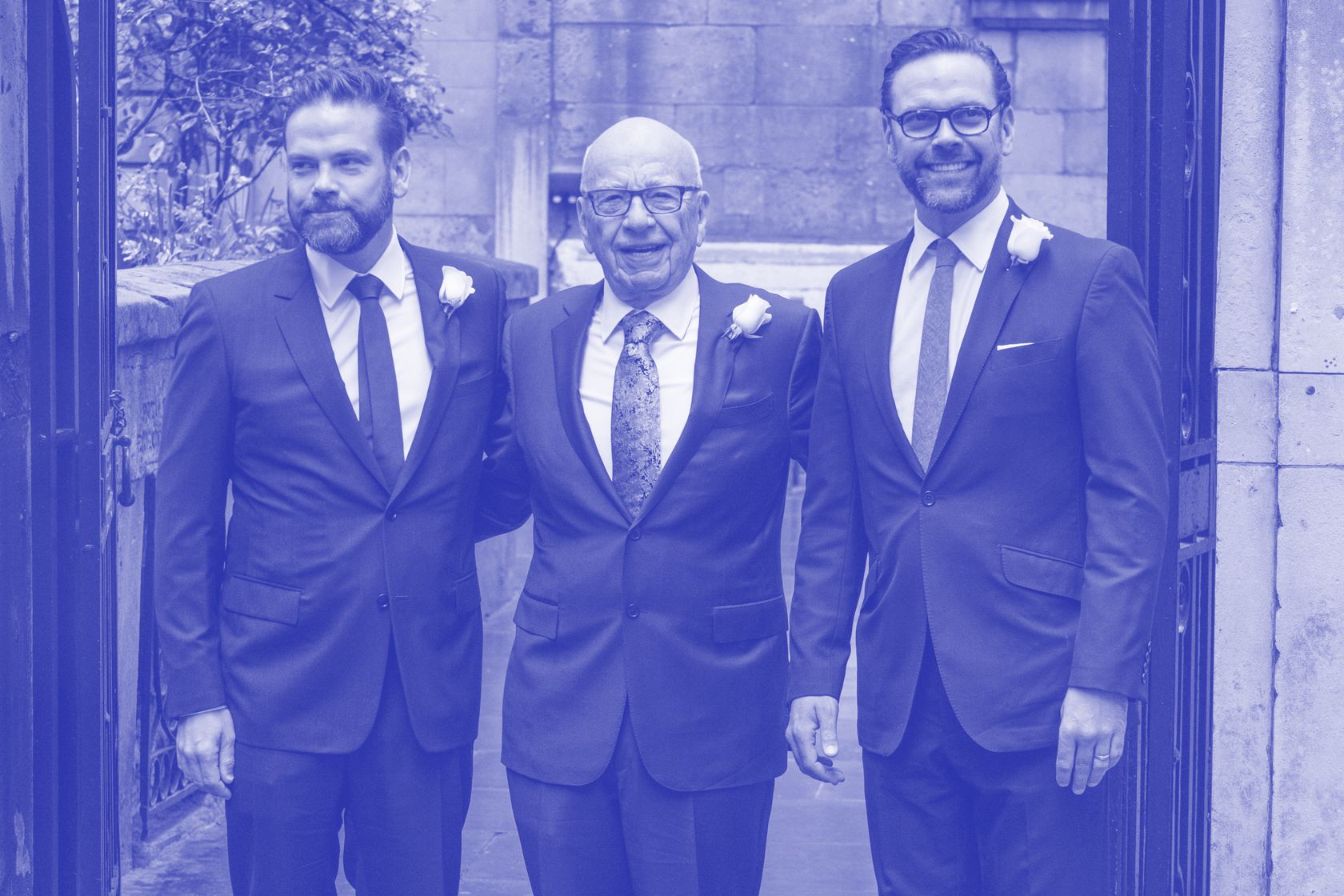
Other Murdoch: James Murdoch has agreed to acquire three major divisions of Vox Media for more than USD300 million ($419 million), in the biggest deal for the younger son of Rupert Murdoch since he cashed out of the family’s empire last year. The deal includes The New York Magazine, Vox.com and the Vox Media Podcast Network, the company said in a statement. Unnamed sources told media the transaction was worth more than USD300 million. The deal, through Murdoch’s media and technology holding company Lupa Systems, gives him control of New York Magazine and its affiliated titles The Cut, Vulture and Intelligencer, which together claim a digital audience of tens of millions and more than 400,000 paying subscribers. It also includes a podcast network of nearly 50 shows. The deal was announced on Wednesday US time, hours after New York Magazine took out two National Magazine Awards the previous evening, including general excellence. The deal will split Vox Media into two independent companies. The Verge, Eater, Popsugar, SB Nation and The Dodo are not part of the deal and will form a new independent company led by Vox Media president Ryan Pauley. “This acquisition reflects both our interest in the forward edge of culture and our deep commitment to ambitious journalism,” Murdoch said in a statement. “We want to create platforms where really amazing, talented people can come and do the best work of their lives,” he told the Times. James resigned from the News Corp board in 2020 citing disagreements over editorial content, putting him at odds with his father and brother Lachlan, who now controls Fox News and The Wall Street Journal. (Capital Brief)(Vox Media)(NYT)(Reuters)(Bloomberg)
2.
IPO ready: OpenAI is preparing to file for a draft IPO prospectus as early as Friday US time, targeting a public debut as soon as September, The Financial Times reported citing unnamed sources. The Wall Street Journal separately reported the same details, also citing unnamed sources. Bloomberg confirmed the filing plans, but said OpenAI is preparing to file in the coming weeks, not hours. According to the reports, the ChatGPT creator is working with Goldman Sachs and Morgan Stanley on a confidential IPO filing and has engaged lawyers at Cooley. The company is aiming for a valuation of more than USD1 trillion, the FT added, compared to the most recent funding round in April which valued it at USD852 billion. The reports come just days after a jury dismissed Elon Musk’s lawsuit against OpenAI and Altman, in which he had alleged the company betrayed its charitable mission by converting to a for-profit structure. The verdict eliminated a key overhang to the company’s IPO plans. According to the FT, CEO Sam Altman has been pushing for the company to list ahead of its main rival Anthropic, which is also preparing to go public as soon as this year. But Chief financial officer Sarah Friar has reportedly urged a more cautious approach. The timing could shift depending on market conditions and on the performance of Elon Musk’s SpaceX, which is reportedly targeting a listing next month at a valuation of USD1.75 trillion. There is “a lot of gamesmanship” going on between the companies, one of the sources told the FT. “We regularly evaluate a range of strategic options. Our focus remains on execution,” OpenAI told Bloomberg in a statement. (Capital Brief)(FT)(WSJ)(Bloomberg)
3.
Markets wrap: Wall Street rebounded overnight, with the S&P 500 gaining 1.40% in late New York trading, led by tech stocks. The Nasdaq was up 1.41% and the Dow Jones 1.37%, as chip stocks rallied ahead of Nvidia’s quarterly results, while oil prices fell on hopes of a US-Iran peace deal. Nvidia shares were 1.16% ahead of its results, due after the closing bell, with analysts polled by FactSet forecasting USD73.1 billion in data centre revenue. West Texas Intermediate crude fell 5.8% to USD98.14 a barrel after a White House pool report quoted President Donald Trump saying the US was in the “final stages” of negotiations with Iran. The rally in risk assets pushed Treasury yields lower, with the 10-year yield falling around 10 basis points to 4.58%, though it remains near its highest level in about a year. Minutes from the Federal Reserve’s latest meeting showed a growing number of officials suggesting the central bank should lay the groundwork for a possible rate hike. Meanwhile, Reuters reported Intuit will cut about 17% of its global workforce, equivalent to about 3,000 jobs. Target shares fell after executives at the retailer struck a cautious tone on the outlook despite reporting their biggest sales gain in years. Markets were also watching for SpaceX’s IPO prospectus filing, which was expected imminently. (WSJ)(Bloomberg)(Reuters)
4.
Wall St Fightback: JPMorgan Chase leveraged finance executive Lorna Hajdini filed a defamation counterclaim against former colleague Chirayu Rana, calling his harassment allegations “entirely false, malicious, and fabricated, and concocted for the improper purpose of personal enrichment,” according to court filings cited by the Financial Times and Bloomberg. Hajdini filed the counterclaim in the New York State Supreme Court, three weeks after Rana sued her and the bank under the pseudonym “John Doe,” alleging she drugged him, subjected him to nonconsensual acts and directed racial slurs at him. Hajdini “categorically and unequivocally” denied the claims, saying they have “ruined her reputation and destroyed her life,” Bloomberg reported, citing the court filing. In her filing, Hajdini alleged Rana had made eerily similar fabricated allegations of misconduct against a supervisor at a prior employer, and said Rana had falsely claimed his father had died to obtain paid bereavement leave. The counterclaim comes after reports that JPMorgan had offered Rana a USD1 million settlement, which he declined, and that Rana had initially sought a payout of more than USD20 million. “We fully support Lorna and her right to defend herself and protect her reputation. As we’ve said from the outset, we don’t believe the allegations against her or the firm have merit,” JPMorgan said in a statement. A spokesperson for Rana told the FT his claims would be proven in court. (FT)(Bloomberg)(New York Post)(WSJ)
5.
Serviceability shortfall: As the government faces a protracted fight over capital gains tax, the big banks have all but rolled over on negative gearing for Treasurer Jim Chalmers. Despite being one of the biggest losers from the policy change, Westpac yesterday told mortgage brokers it had effectively accepted the restriction of future negative gearing to new builds. “Subject to final policy settings, we anticipate that negative gearing will no longer apply to the additional lending amount,” Westpac said in an email seen by Capital Brief, warning the changes “could create a serviceability shortfall” for investors. Australia’s second-largest bank has effectively called time on the investor tax concession, in a move expected to wipe hundreds of thousands of dollars from the future borrowing capacity of some investors. Capital Brief on Monday first reported Westpac had sent the same message to its frontline bankers and that Macquarie had officially changed its policy. Of all the big banks, only Macquarie has officially changed its lending policy — Westpac is signalling a shift might be just around the corner. Brokers say Commonwealth Bank subsidiary Bankwest has informally signalled it will update its borrowing calculators in due course. The other majors say they are looking at the budget proposal, appearing to recognise the government is likely to cut negative gearing while continuing to lend as if it will not, putting them at risk of approving loans today their investors may not be able to afford tomorrow. (Capital Brief)
6.
Rug pull: Australia’s largest listed video game developer, PlaySide Studios, enraged investors who claim the cancellation of a game after three years of development cost its backers tens of thousands of dollars. Melbourne-based PlaySide quietly scrapped Bean Land (intended to be the next instalment in the viral Dumb Ways to Die series) last August, having raised $8.4 million by selling non-fungible tokens for the game at prices as high as $1,300 each. No refunds were provided after PlaySide suddenly pulled the project, leaving at least one buyer USD44,000 out of pocket as the value of the tokens plunged to their nominal floor price. Five NFT buyers, most of whom requested anonymity, said PlaySide’s ASX-listed status gave them confidence to buy into the notoriously risky asset class. Some described what followed as a “rug pull.” After announcing the cancellation on Discord, PlaySide promptly deleted its Discord server and scrubbed its social media accounts. “Before the NFT mint, there were so many promises, they were so active, they were promising this and that,” Singapore-based Kalai Arasan, who invested more than USD3,000 in the tokens, told Capital Brief. “Then after the mint happened, all of the communications started to die down.” PlaySide did not respond to requests for comment. One buyer has submitted a complaint to the ACCC. The company’s auditor has also flagged a going concern risk in its first-half accounts. PlaySide last closed at 24.5 cents, against a record high of $1.30 in February 2022. (Capital Brief)
7.
R&D Blindsided: Tesla chair Robyn Denholm urged the Albanese government to find other ways to support companies caught on the wrong side of an unexpected budget tweak that biotech companies and deep tech startups fear will starve them of critical funding. Denholm led a year-long review into Australia’s research, development and innovation ecosystem which formed the basis of the government’s R&D tax incentive changes. But even she did not anticipate the 10-year age limit for the refundable R&D stream, which was buried in the budget papers and has sparked outrage among biotech and deep tech companies that can spend decades undertaking R&D before generating revenue. Several ASX-listed recipients are among those now facing a funding cliff. Denholm told Capital Brief the budget measures were “a critical first step toward growing the economy and driving national productivity and creating meaningful opportunities for the next generation of Australians,” but warned that “in focusing the RDTI scheme it is important to support businesses that are or become ineligible.” She also called for her recommendations to be adopted in full. (Capital Brief)
8.
CGT anxiety: More than a week since the Albanese government delivered its fifth budget, anger over changes to capital gains tax continues to dominate, sparking concerns among Labor MPs that the political benefit from the party’s ambitious housing reforms is being squandered. “It’s a good budget,” one MP who requested anonymity told Capital Brief. “But I don’t know why we didn’t see this coming. We’ve got a good story to tell about housing. But the tax changes are drowning out our messages.” Startup and VC operators have loudly complained about the changes, which remove the 50% discount on CGT and introduce a 30% floor, arguing the reforms disincentivise investment and risk-taking and make it harder for businesses to offer employees equity in lieu of market-rate wages. The Coalition has seized on the controversy, with opposition leader Angus Taylor accusing Labor of failing to understand how business works. As Prime Minister Anthony Albanese continued to vent frustration over the criticism, Treasurer Jim Chalmers pledged to consult with the sector to find a solution. “We are consulting with the sector in good faith to see if there is a way through there that we can both live with,” Chalmers said. (Capital Brief)
