Labor lands tax cuts, Dutton plays fuel card
Plus: Trump to unveil tariffs on auto industry; Atlantic releases more Houthi attack plans texted by Trump officials; Labor to press on with streaming quotas despite Trump trade fears.
Good morning. Here's what happened overnight and what you need to know today.
Get Standup in your inbox Signed up to Standup
1.
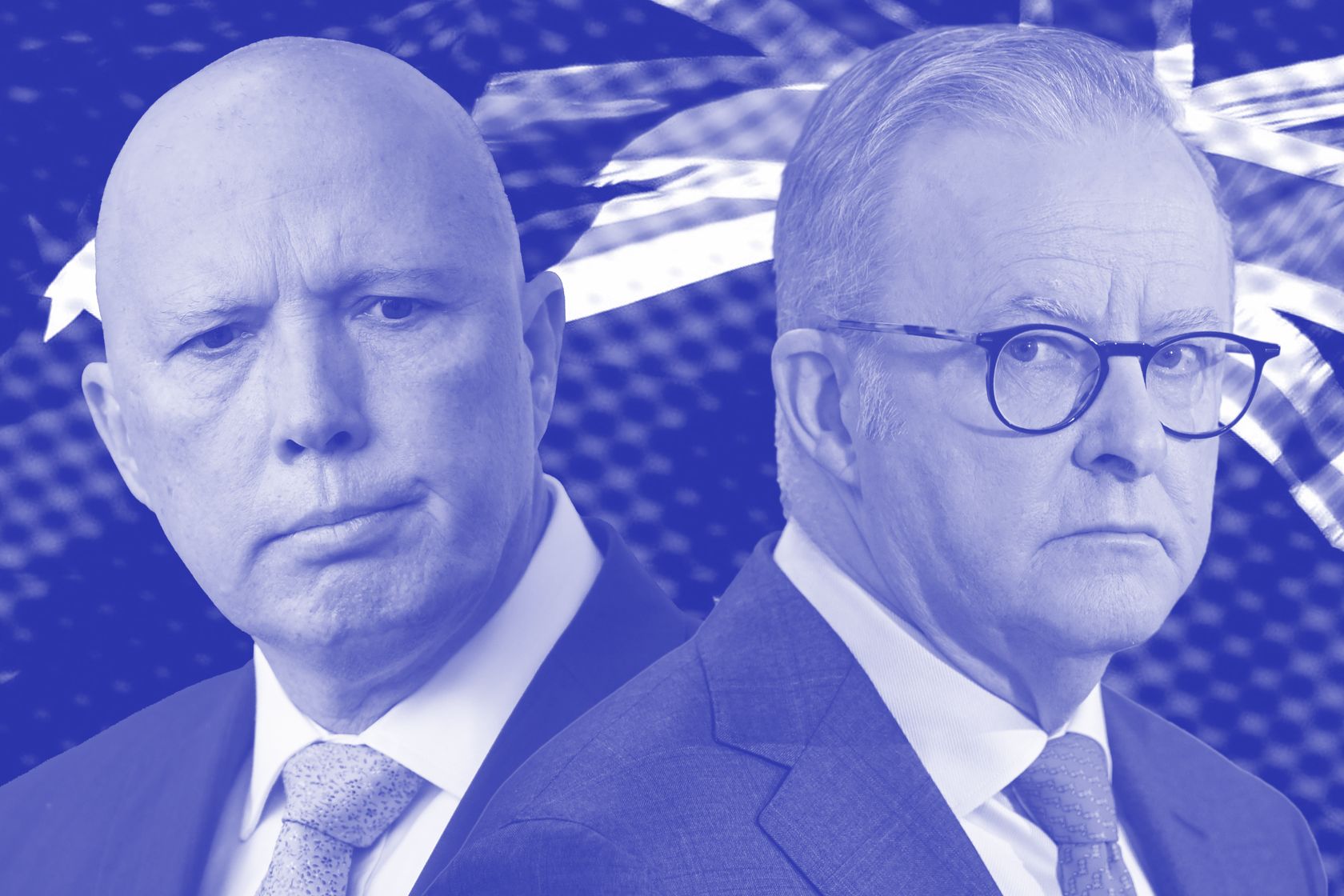
Pre-election duel: Labor’s surprise tax cuts passed the Senate without Coalition support, as Peter Dutton countered with a $6 billion pledge to halve fuel excise for a year. The bill cleared the Senate in a late-night sitting Wednesday with crossbench support but no debate, after passing the House earlier that day with Greens and independent backing. Finance Minister Katy Gallagher said the Coalition was “saying no to everything” and had “voted no to tax cuts for every taxpayer.” Angus Taylor called it a “70¢ a day tax cut in 15 months’ time” and a “hoax.” The same sitting also extended $20,000 instant asset write-offs and fee-free TAFE. Announced in Tuesday’s budget, the cuts give 12 million workers up to $268 next year and $536 after. Dutton said his plan offers faster, broader savings and “will save many hundreds of dollars” as he positions the Coalition ahead of an election expected to be called as soon as Friday. (Capital Brief)(ABC)(AFR)
2.
Spare parts: US President Donald Trump will announce tariffs on the auto industry this morning, escalating his fight with global trading partners ahead of broader tariffs next week, the White House said. The tariffs are expected to apply to finished vehicles but not parts, Bloomberg reported, citing unnamed sources, potentially targeting more than USD240 billion ($381.3 billion) in annual US car and light truck imports. Press Secretary Karoline Leavitt confirmed Trump will speak from the Oval Office at 7:00am AEDT to detail the move. Markets fell on the news, with the S&P 500 down as much as 1.2%, the Nasdaq 2.2% and Tesla 6.7%, before paring some losses by late afternoon. The move follows steel and aluminium tariffs imposed on 12 March and comes ahead of reciprocal tariffs due 2 April. Trump has said the levies will spur domestic auto growth, praising Hyundai’s recent USD21 billion US expansion. Union officials warned of a “tidal wave” of layoffs, with 200 job losses already reported in Canada. (Bloomberg)(Reuters)(Capital Brief)
3.
Texted strikes: The Atlantic has published more excerpts from the Trump administration’s Signal group chat, showing US Defense Secretary Pete Hegseth texted exact launch times for airstrikes in Yemen on Saturday, 15 March, including F-18, drone and Tomahawk missile launches. The chat, set up by National Security Adviser Mike Waltz, inadvertently included Atlantic editor-in-chief Jeffrey Goldberg. One message began: “TIME NOW (1144et): Weather is FAVORABLE. Just CONFIRMED w/CENTCOM we are a GO for mission launch.” Waltz later confirmed a Houthi target had been killed. The release followed Senate Intelligence Committee testimony from Waltz, CIA Director John Ratcliffe and DNI Tulsi Gabbard, who said no classified material was shared. The Atlantic said it published the texts after officials downplayed their significance. Former officials said such targeting information is usually highly classified. Democrats called for resignations. Republicans Roger Wicker and Lindsey Graham also raised concerns, with Graham calling the chat a mistake. (Capital Brief)(The Atlantic)(Reuters)
4.
Streaming wars: Despite possible US retaliation, the Labor government will push ahead with plans to force streaming platforms to invest in Australian content after nearly securing an agreement on quotas in late 2024. Sources told Capital Brief that in a round of industry talks late last year, the government secured near-consensus support from streaming platforms and local TV companies to introduce new investment rules set as a percentage of their expenditure in Australia. The proposed rules would have forced streaming platforms to commit 10% of their Australian expenditure on local drama productions, with staged increases to follow. Despite the support, the consultation was ultimately paused ahead of the 2024 US election. The “consultation is taking longer than we would have liked, but we are determined to get this right. The government is aiming to introduce legislation as soon as practicable,” a government spokesperson confirmed to Capital Brief. (Capital Brief)
5.
Intractable differences: AustralianSuper has sold its stake in WiseTech Global, after the logistics software giant's recent handling of founder Richard White's transition did not meet its expectations. Australia’s largest super fund sold around $580 million worth of stock to close its 1.9% position over the past few weeks. AustralianSuper’s stake reached a peak of 2.64% in January 2024, but shrunk to 2.26% by October, when allegations against White’s behaviour were reported. “We have sold because recent developments have not met our expectations,” AustralianSuper’s head of Australian equities Shaun Manuell said. White returned as executive chair in February despite an internal review finding that he had misled the board on details of his personal relationship with employees. His return to the boardroom came just days after four WiseTech directors quit the company citing "intractable differences" over White's role. (Reuters)(Bloomberg)(Capital Brief)
6.
Spring statement: UK Finance Minister Rachel Reeves said that the country’s economy will grow more slowly than previously forecast, and the government will have to borrow more heavily in the coming years. Clawing back £14 billion ($28.6 billion) in fiscal room via cuts to welfare and government spending, Reeves’ Spring Statement tailored spending decisions toward repairing public finances. Reeves outlined plans to restore the government’s “headroom” from a £4.4 billion deficit back to the £9.9 billion it stood at during her October Budget. The government’s top priority is reviving growth after 15 years of stagnation, as the country’s growth forecast for 2025 was revised to 1%, down from the 2% previously predicted. Reeves also warned that growth may continue to flounder if the US continues on its tariff hike trajectory. Earlier in the day, UK inflation data saw CPI fall more than expected to 2.8% in February. (FT)(Bloomberg)(Capital Brief)
7.
Data breach: Cybercrime detectives are currently investigating a “major data breach” involving the Department of Communities and Justice (DCJ). Police said that on Tuesday, officers were alerted to the breach after approximately 9000 sensitive court files, including apprehended violence orders and affidavits were downloaded. Authorities explained that the breach was traced to the NSW Online Registry Website, a portal overseen by the DCJ that provides access to information involved in both civil and criminal cases across the NSW court system. NSW Attorney-General Michael Daley said officers are “working to urgently identify and contact affected users and the public will be kept updated as more information becomes available…I am assured that DCJ is working with Cyber Security NSW [and] the NSW Police to ensure the ongoing integrity of the system." NSW police said that the investigation to establish the full extent of the breach remains ongoing. (NSW Police)(ABC)(Capital Brief)
8.
BYD’s bid: Chinese electric vehicle maker BYD wants to double its sales outside of China in 2025 to over 800,000 units, and will circumvent tariffs by building cars in local markets, according to an earnings call transcript seen by Reuters. BYD, which sold 417,204 units overseas in 2024, plans to double the figure this year, and is targeting overall sales of 5.5 million. BYD chairman Wang Chuanfu said on the call that the company expects to see a “substantial rise” in its market share in Britain, which is “very open” to competitive Chinese products. BYD also sees large growth opportunities across LATAM and Southeast Asia where governments have been more welcoming toward Chinese brands. Wang said the company does not have plans to sell into Canada or US in the short term due to geopolitical developments, and will keep its cost advantage by purchasing key components from China and assembling the vehicles in local markets. (Reuters)(FT)(Capital Brief)