Littleproud to survive Nationals spill amid Coalition split
Plus: Focus turns to China after historic silver and gold crash; RBA expected to lift rates this week; ASX-listed company investors brace for earnings curveballs.


Good morning. Here's what happened overnight and what you need to know today.

1.
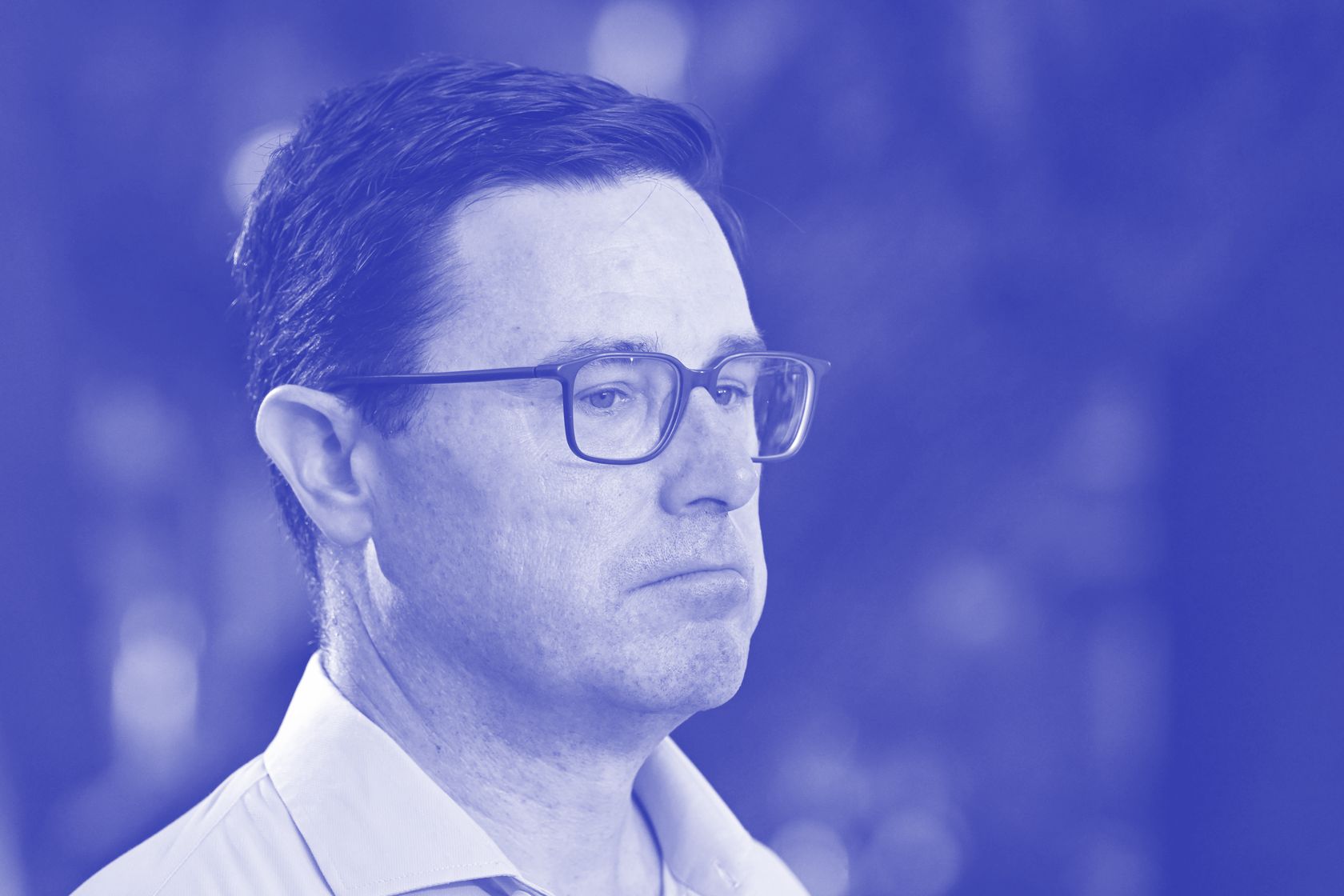
Spill survivor: Nationals leader David Littleproud is expected to survive a leadership spill today, after Queensland MP Colin Boyce on Sunday admitted he would be “comprehensively defeated” but called for a new challenger to emerge. The push comes after Littleproud led the Nationals to split from the Liberals for the second time in a year, a decision Boyce described as “political suicide”. Littleproud said reunification with the Liberals is possible if the three Nationals senators who voted against the Coalition’s position on hate speech laws are reinstated. Meanwhile, pressure is building on Liberal leader Sussan Ley, with Angus Taylor preparing a leadership challenge after Andrew Hastie confirmed he did not have the numbers and pulled out. A new AFR/Redbridge poll shows combined Liberal and National support has dropped to 19%, down from 26% in December, while One Nation has climbed to 26%. Ley’s net favourability rating has fallen to -32. Ley has said the acting shadow ministry roles will end on 9 February, when she plans to appoint Liberal MPs to fill the Nationals’ former portfolios, formalising the split. (Nine)(SMH)(AFR)(The Australian)(Capital Brief)
2.
Metal plunge: After Friday’s historic crash in silver and gold – the worst day for precious metals in decades – all eyes are now on Shanghai as trading resumes today. Silver plunged more than 25% on Friday, gold dropped 9%, and copper also reversed sharply, bringing a sudden end to a speculative rally reportedly driven by Chinese investors. The selloff came as US President Donald Trump nominated Kevin Warsh to chair the Federal Reserve, pushing the US dollar higher. Markets reacted to Warsh’s prior record as an inflation hawk, despite his recent calls for rate cuts. In the lead up to that, parabolic gains in silver, up over 90% since October, had been fuelled by hot money from retail and institutional Chinese buyers, according to Bloomberg. Trading in the iShares Silver Trust reached a record USD41 billion ($59 billion) Friday. That same day, several Chinese banks announced new measures to curb risks tied to retail gold accumulation products, including China Construction Bank raising deposit minimums and ICBC introducing quota controls for its Ruyi Gold Savings service. In New York, jewellers faced pandemonium as refineries reportedly halted buying amid the volatility. With the Lunar New Year approaching, attention now turns to Chinese demand and how local markets will absorb the crash under daily price limits in silver contracts. (Bloomberg)(FT)(WSJ)(AFR)
3.
Rate hike: The Reserve Bank of Australia is widely expected to raise the cash rate by 25 basis points to 3.85% on Tuesday, marking a sharp policy shift less than six months after its last cut. The turnaround has been driven by stronger-than-anticipated inflation and an unexpected drop in unemployment to 4.1%, which reinforced concerns that inflation remains well above the RBA’s 2-3% target. Trimmed mean inflation rose to 3.3% annually in December, while headline CPI climbed to 3.8%. All four major banks now expect a February hike, with some describing it as an “insurance” or “precautionary” move. However, AMP, Goldman Sachs and Deutsche Bank expect the RBA to stay on hold, citing tighter financial conditions and recent market movements. It comes as the Australian dollar has climbed about 5% this year. This would be the RBA’s first tightening since November 2023 and comes as central banks in the US and parts of Asia prepare to cut rates, the euro zone stays on hold and Japan signals possible tightening. (Capital Brief)(Bloomberg)(Yahoo Finance)
4.
Earnings roulette: Investors are preparing for another turbulent ASX reporting season, with analysts warning that even modest earnings misses could prompt sharp share price moves. Auscap Asset Management chief investment officer Tim Carleton said the August season was likely the most volatile he had seen, with nearly a third of companies experiencing one-day swings of more than 10%. Sonic Healthcare, for example, fell over 20% in two days despite only a slight miss, which Carleton attributed to quant managers triggering broad sell signals amid a decline in active stock-pickers. Canaccord Genuity analyst Greg Burke said the ASX 200’s forward price-to-earnings multiple of 18.3x makes it vital that companies meet consensus forecasts, with downgrades likely to be punished. After a steep six-month slide, investors are looking to tech stocks for signs of resilience. RBC’s Garry Sherriff said Australian tech has been caught in the AI hype cycle, driving fast multiple compression. Meanwhile, strong commodity prices and currency moves were expected (at least as up to last week) to support the resources sector. Retailers face a weaker consumer and rate hike expectations. The season also gives recently appointed CEOs their first opportunity to outline strategy. (Capital Brief)
5.
Iran’s warning: Iran’s supreme leader Ayatollah Ali Khamenei warned that a US attack would spark a “regional war”, saying the Iranian people would “strike back forcefully” against any country that seeks to attack or cause harm. His comments on state TV followed threats from Donald Trump and a growing US military presence in the Middle East. The US has reportedly deployed the USS Abraham Lincoln carrier group, additional Patriot and Thaad air defences to bases across the Middle East, including in Jordan, Kuwait, Saudi Arabia, Bahrain and Qatar, and moved F-35 jets closer to the region. After warning that time was “running out” for a deal and threatening military action, Trump said on Saturday that Iran was “seriously talking” with Washington and expressed hope for a deal involving “no nuclear weapons”. That was before Khamenei’s warning on Sunday of a regional war if the US attacks. Meanwhile, satellite imagery showed Iran has constructed roofs over two nuclear sites hit by US and Israeli strikes last June, in what analysts say is an effort to obscure recovery operations at Natanz and Isfahan. Earlier on Sunday, Iran designated EU armies as “terrorist groups” in retaliation for the bloc’s move to label the Revolutionary Guards as a terrorist organisation. And an Iranian official also denied state media reports of planned live-fire naval drills in the Strait of Hormuz. Amid rising tensions, OPEC+ confirmed it will maintain its supply freeze through March, even as oil prices have climbed on fears of a US strike against Iran. (Bloomberg)(Reuters)(AP)(WSJ)(FT)
6.
Epstein dump: Pressure is intensifying on high-profile figures named in the massive cache of files released by the US Justice Department on Friday about convicted sex offender Jeffrey Epstein. UK Prime Minister Keir Starmer said over the weekend that former prince Andrew, now simply Andrew Mountbatten-Windsor, should testify before US Congress, after files showed he stayed in contact with Epstein for years after his 2008 conviction. Photos released by the DOJ show Mountbatten-Windsor on top of an unidentified woman, while a second woman has come forward via her lawyer alleging Epstein sent her to the UK in 2010 for relations with the former prince. He has denied wrongdoing. In Slovakia, national security adviser Miroslav Lajcak resigned after emails showed Epstein invited him to meetings in 2018. Back home, Katherine Keating called her relationship with Epstein “unfortunate” after hundreds of emails revealed years of contact, including attending events with Epstein and suggesting her sister join a dinner with Woody Allen. Kevin Rudd reiterated denials he ever met Epstein, despite appearing in his schedules. Billionaires Andrew Forrest and Clive Palmer were also named in Epstein’s emails (there is no suggestion of any wrongdoing). Hollywood executive and Los Angeles Olympics chair Casey Wasserman was also named in the files, which included emails discussing meetings and social connections with Epstein. Survivors criticised the DOJ’s redactions, saying they expose victims while protecting Epstein’s alleged enablers. (SMH)(AFR)(NYT)(BBC)(The Australian)(AAP)
7.
Housing crunch: Australia’s home-price growth accelerated in January, with values rising 0.8%, as persistently low housing supply and strong demand continued to drive broad-based gains despite affordability pressures and the likelihood of an interest rate hike this week. Cotality’s Home Value Index showed the pace of growth picked up from December’s 0.6% increase, pushing Perth into the $1 million median house price club for the first time, alongside Sydney, Brisbane and Canberra. Perth recorded the fastest price growth among the capitals at 2%, followed by Brisbane (1.6%), Darwin (1.5%) and Adelaide (1.2%). Sydney rose 0.2% and Melbourne 0.1%. Combined capital city values rose 0.7%, with regional markets up 1%. Cotality said the number of homes advertised for sale was down 19% on a year ago. Rents climbed 0.6% in January, the fastest monthly rise since April, with national rents up 42.4% over five years. “Despite the most unaffordable conditions on record in many cities, along with a rebound in cost of living pressures and prospect of a rate hike as early as this Tuesday, we are still seeing a broad-based rise in housing values,” Cotality’s research director Tim Lawless said in a statement. (Capital Brief)(Cotality)
8.
Black storm: Pakistani security forces killed 145 militants in a 40-hour battle after a series of coordinated gun and bomb attacks across Balochistan left 48 people dead, including 31 civilians and 17 security personnel, Reuters reported citing Balochistan chief minister Sarfraz Bugti. Militants dressed as civilians entered schools, hospitals, banks and markets before opening fire, junior interior minister Talal Chaudhry said, adding they used civilians as human shields. The banned Baloch Liberation Army said it launched a province-wide operation called Herof, or black storm, targeting security forces, but Reuters could not independently verify its claims that 84 security personnel were killed and 18 captured. Bugti said pre-operations began a day earlier based on intelligence. Attacks reportedly occurred almost simultaneously in the Balochistan districts of Quetta, Gwadar, Mastung and Noshki, hitting security installations including a Frontier Corps base. Pakistan’s military said the assaults were carried out by “Indian-sponsored militants”, which India denied, calling the claim “baseless”. Meanwhile, Pakistan’s government on Sunday said its cricket team would play in the T20 World Cup but would not take the field against India on 15 February. No reason was given. Team captain Salman Ali Agha said the side would follow the instructions of the government and cricket board. (Reuters)(AP)
