Musk, Ramaswamy take DOGE to Capitol Hill
Plus: US Jobless claims jump ahead of employment data; Macron scrambles for new PM pick with Notre Dame countdown; OPEC+ holds back supply amid weak demand.


Good morning. Here's what happened overnight and what you need to know today.
1.
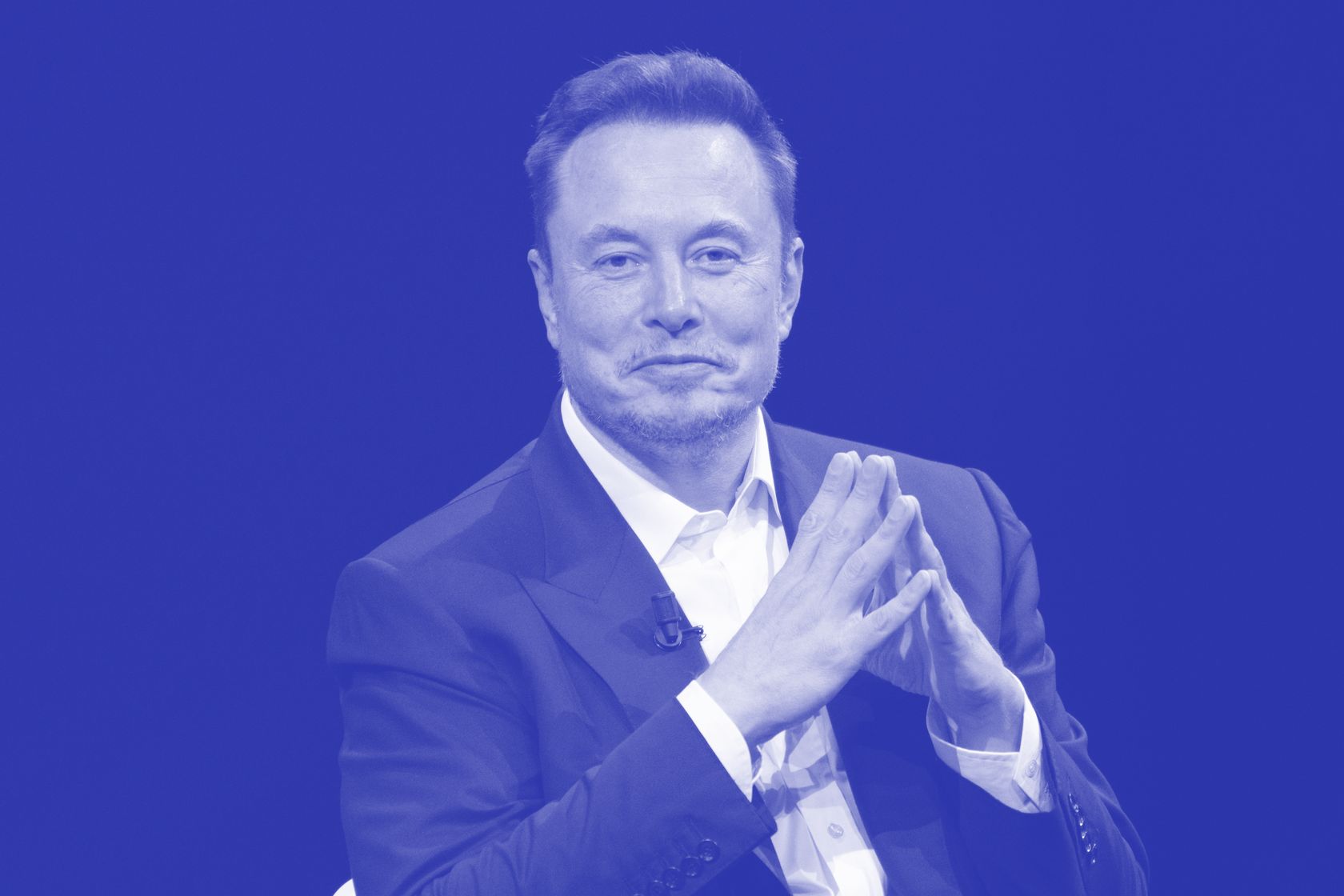
DOGE day: Elon Musk and Vivek Ramaswamy, co-chairs of President-elect Trump’s Department of Government Efficiency (DOGE), met with lawmakers on Capitol Hill to advocate for spending cuts and government reforms. Musk has set a savings target of USD2 trillion ($3.10 trillion) off the government’s USD6.8 trillion annual spending, although he has not provided details or given a timeline for when the taskforce expects to achieve them. The entrepreneurs have instead offered ideas like slashing regulations, firing thousands of federal workers, reducing alleged fraud and abuse in Social Security, and eliminating programs whose authorisation has expired, such as veterans’ healthcare. Ramaswamy criticised a recent USD6.6 billion Department of Energy loan to Tesla competitor, Rivian, calling it a candidate for clawback, though DOGE lacks authority to reverse such commitments. (Reuters)(CNN)
2.
Claims jump: US weekly jobless claims rose by a higher-than-expected 9,000 to a seasonally adjusted 224,000 last week, according to the Labor Department. Economists polled by Reuters had forecast 215,000 claims for the week ending 30 November. The increase puts the metric at a one-month high - influenced by typical holiday-related volatility - but still at an historically healthy level. Continuing claims, representing the number of people receiving unemployment benefits after an initial claim, fell by 25,000 to 1.87 million during the week ending 23 November. The data comes ahead of the government’s monthly job report, due Friday, a key data input for the Federal Reserve’s next interest rate decision, scheduled for 18 December. Economists and traders expect the central bank to cut interest rates for the third time this year. (Capital Brief)(DOL)(Bloomberg)(Reuters)
3.
Paris crisis: French Prime Minister Michel Barnier resigned after his government was ousted by a no-confidence vote, supported by 331 lawmakers from an alliance of far-left and far-right parties. President Emmanuel Macron met with allies and parliamentary leaders on Thursday, seeking to swiftly appoint a replacement. weakened by the crisis and facing growing calls to resign, Macron must appoint a new prime minister to address France’s political gridlock and draft a 2025 budget. Reuters sources said Macron wants to announce a new prime minister before Saturday’s reopening of Notre Dame Cathedral, which US President-elect Donald Trump is expected to attend. François Bayrou, a centrist ally, has been cited by French media as a potential successor. With no new elections allowed before July, the next prime minister will need to navigate a fractured parliament and address the looming 2025 budget over which Barnier was ousted. Macron is expected to address the nation at 8pm local time (7am AEDT). (Capital Brief)(FT)(Reuters)
4.
OPEC control: OPEC+ delayed its planned oil production hikes by three months, with increases now set to start in April 2025 and be phased in gradually over 18 months. The agreement pushes the full unwinding of OPEC+'s voluntary production cuts to September 2026, a year later than originally scheduled. The decision comes as OPEC+ contends with weak demand, surging non-OPEC supply and concerns about a potential surplus in 2025. The UAE also agreed to postpone an increase of 300,000 barrels a day to its quota to April 2025. Analysts estimate OPEC+ output in 2025 will be 800,000 daily barrels below earlier expectations if members comply with the quotas, the FT reported. Brent crude was down 0.1% at USD72.26 after the announcement. Analysts called the move prudent, noting the potential impact of geopolitical risks and US President-elect Donald Trump’s policies. OPEC+ plans to reassess market conditions at its next meeting on 28 May. (OPEC)
5.
Health fury: The words "deny", "depose" and "defend" were inscribed on bullet casings found at the scene where the head of the US largest private health insurer, Brian Thompson, 50, was fatally shot outside the NY Hilton Midtown, police sources told the New York Post. The phrases echo a 2010 book critical of insurance practices, fuelling speculation about a possible motive tied to industry criticism. Social media erupted with outrage, with users linking the shooting to frustrations over claim denials and the US healthcare system. Surveillance footage showed the gunman waiting for Thompson, CEO of UnitedHealthcare since 2021, before firing multiple shots with a silenced firearm. Thompson had received threats tied to his role and authorities described the attack as targeted, but experts have warned the inscriptions may be a diversion. A USD10,000 ($15,530) reward has been offered for tips in the ongoing manhunt.(Bloomberg)(NY Post)
6.
Bitcoin milestone: Bitcoin surged past USD100,000 ($155,500) for the first time, buoyed by optimism surrounding Donald Trump’s election victory and his pro-crypto policies and nominations. The cryptocurrency’s value has more than doubled this year, gaining over 50% in the past month. Analysts attributed the latest rally to Trump’s nomination of Paul Atkins, a known crypto advocate, to head the SEC, this week. Atkins, co-chair of the Token Alliance, has worked on best practices for digital assets. Institutional interest has intensified, with 3% of bitcoin’s total supply purchased this year to reach a record USD3.8 trillion in market value, according to CoinGecko, which is higher than Apple’s USD3.7 trillion market capitalisation. Other cryptocurrencies also rode the wave.(Capital Brief)(Reuters)
7.
Job headwinds: Corio Generation, a UK-based offshore wind developer backed by Macquarie Group, is cutting jobs as the offshore wind sector battles soaring equipment costs and debt costs. Corio, launched in 2022 with high-profile projects planned in the UK, South Korea and the US, confirmed “organisational changes” as part of efforts to stay efficient and focus on key markets. The cuts reportedly affect less than 10% of the company’s 270 workforce, Bloomberg said, including roles tied to completed projects. Macquarie is also reportedly weighing options for Corio, including the sale of some or all of the business. The wider offshore wind industry is facing several headwinds, with Orsted cutting hundreds of jobs and TotalEnergies halting a US project due to looming policy challenges under President-elect Donald Trump. (Reuters)(Bloomberg)
8.
Boeing grounded: A US federal judge rejected Boeing’s plea deal over two fatal 737 MAX crashes in 2018 and 2019 that killed 346 people and led to criminal charges against the company. In a rare rebuke of a high-profile corporate settlement, Judge Reed O’Connor criticised the deal’s diversity requirement for selecting an independent monitor to oversee Boeing’s compliance practices, calling it “inappropriate and against the public interest.” O’Connor said public confidence required the selection be based solely on competency. The agreement included Boeing’s guilty plea, a USD455 million ($707.23 million) compliance program and a monitor to oversee reforms. Victims’ families had described the deal as a “sweetheart” arrangement that failed to hold Boeing fully accountable. Both sides have 30 days to determine next steps. (WSJ)(Bloomberg)(Reuters)
