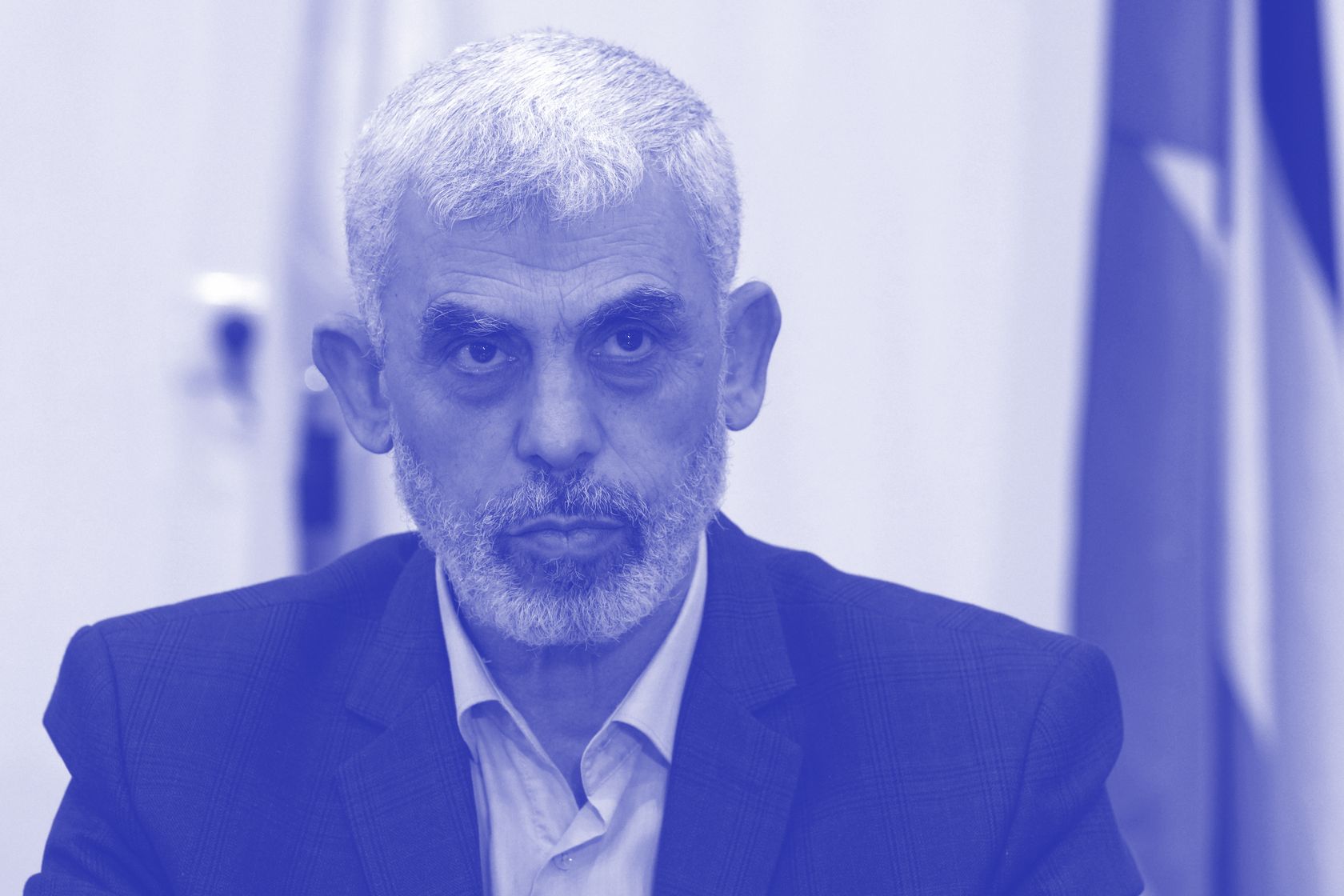
Netanyahu declares Hamas’ chief 7 Oct architect dead
Plus: TSMC upgrades outlook from “insane demand” for AI chips; Meta fires $597k-a-year staff over food coupon abuse; ECB cuts rates, again.


Good morning. Here's what happened overnight and what you need to know today.

1.
Hamas blow: Israel said it killed Yahya Sinwar, a Hamas leader and a chief architect behind the 7 October attack last year that killed 1,200 people in southern Israel and triggered the ongoing war. In a video statement, Prime Minister Benjamin Netanyahu said Israel had “settled its account” with “the person who carried out the worst massacre in the history of our people since the Holocaust.” Sinwar’s death could increase pressure on Israel to end its Gaza offensive and negotiate the release of remaining hostages. Netanyahu also said “the war isn’t over,” stating militants holding hostages would be pardoned if they surrender, but those harming hostages would be hunted down. The war has claimed over 42,000 lives in Gaza. (AP)(WSJ)
2.
Insane demand: Taiwan Semiconductor Manufacturing, the world’s largest contract chip maker, reported a record 54% jump in quarterly profit to NT$325 billion ($15.10 billion) and upgraded its sales forecast for 2024, driven by strong demand for AI-related chips. TSMC said it expected sales would increase around 30% in US dollar terms this year, compared to earlier estimates of a rise in the mid-20% range. Capital expenditure would surpass USD30 billion in 2024, it said, with further international expansions planned, including facilities in Arizona and Europe. Its dominance in advanced chip technology, supplying firms like Nvidia and Apple, has been bolstered by weaker competition from Samsung and Intel. “One of my key customers said the demand right now is insane. It is just the beginning,” Wei told analysts on the earnings call, presumably referring to comments by Nvidia CEO Jensen Huang. (Capital Brief)
3.
Perk excuse: Meta has fired around 20-30 staff in Los Angeles for allegedly abusing meal credits intended for office use, The Financial Times reported citing people familiar with the matter and anonymous posts in the Blind platform. One post claimed the employee was earning USD400,000 ($597,360) a year. The food credit system for employees, including Uber Eats credits for food to be delivered to the office, was reportedly abused over a long period of time, with some using it for non-food items like toothpaste, laundry detergent and wine glasses, according to the sources. Some staff also pooled their credits or ordered food to their homes. The firings came last week, just before Meta started restructuring its WhatsApp, Instagram and Reality Labs teams. Meta didn’t comment on the specifics, but said the company was “making changes to ensure resources are aligned with their long-term strategic goals”. (FT) (Fortune)
4.
Euro cut: The European Central Bank cut interest rates for the third time this year, lowering the deposit rate by a quarter point to 3.25%, as predicted by analysts. It is the first back-to-back rate cut in 13 years, reflecting concerns over the eurozone's weakening economy. Inflation dropped to 1.7% in September, below the ECB’s target of 2%, triggering a shift in focus from taming inflation to supporting growth. ECB President Christine Lagarde said the bank is still aiming for a “soft landing” for the economy and that a recession is not expected. Germany’s Dax index hit a record high as markets expect further rate cuts in coming months. (Capital Brief)
5.
Credit beat: Blackstone reported a better-than-expected 5.5% rise in 3Q distributable earnings to USD1.28 billion ($1.91 billion), driven by inflows to its credit and insurance arm, which is now its largest business. Fundraising totalled USD40.5 billion, including USD21.39 billion from credit and USD10.20 billion in PE. PE and real estate saw muted realisations in 3Q, with distributable earnings dropping 11% in PE and 3% in real estate. “We will see a much better IPO market in 2025 and obviously for our business realisations DPI, that's a very good thing,” COO Jonathan Gray told analysts in the earnings call. “I’m a believer that the environment is falling into place, both for more IPOs and more M&A. Debt costs of capital coming down makes a huge difference.” Shares rose as much as 7.22% to USD171.25 each before paring some gains. (Capital Brief)
6.
Deal vision: TPG and Blackstone have teamed up for a joint bid to acquire Bausch + Lomb, potentially making it one of the year’s largest private equity buyouts, The Financial Times reported citing unnamed sources. The USD11.5 billion ($17.18 billion) eyecare company was put up for sale by its heavily indebted parent, Bausch Health, formerly Valeant, which owns 88% of the eyecare firm. Offers for Bausch + Lomb are expected to reach up to USD14 billion, the paper said, with the company projected to generate USD860 million in adjusted earnings from USD4.7 billion in revenues. (FT)
7.
Retail resilience: US retail sales rose by 0.4% in September, exceeding expectations as consumer spending remained resilient despite economic pressures. The increase was better than the 0.3% forecast from economists polled by Reuters, and it was broad-based. Nine out of 13 categories saw gains, led by miscellaneous stores and apparel, according to the US Census Bureau. Meanwhile, separate data by the US Federal Reserve showed industrial production fell 0.3% in September, restrained by a decline in factory output that reflected a strike at Boeing and two hurricanes. While concerns about the economic outlook and job market are affecting consumer confidence, spending remains robust. As a result, economists expect the Fed is likely to opt for careful 25-basis-point reductions in coming months. (Capital Brief)
8.
Bunker bust: The US military launched airstrikes on five underground weapons facilities controlled by Iran-backed Houthi rebels in Yemen, deploying B-2 stealth bombers. The Houthis have been attacking commercial vessels since 2023 in solidarity with Hamas. Secretary Lloyd Austin said President Joe Biden had ordered the strikes to degrade the Houthis' ability to target ships and disrupt commerce in the Red Sea and Gulf of Aden. The strikes are also seen as a potential warning to Iran, given the B-2's capability to carry the Pentagon's largest bunker-busting bombs. “This was a unique demonstration of the United States’ ability to target facilities that our adversaries seek to keep out of reach, no matter how deeply buried underground, hardened, or fortified,” Austin said in a statement to media. (Capital Brief)
