Nvidia prices China-bound chips on par with Huawei
Plus: Productivity Commission warns against over-regulation of AI; US reportedly approves strikes on Iran-linked targets in Iraq and Syria; Hungary's Orban lifts veto on EU funds for Ukraine.

Good morning. Here's what happened overnight and what you need to know today.

1.
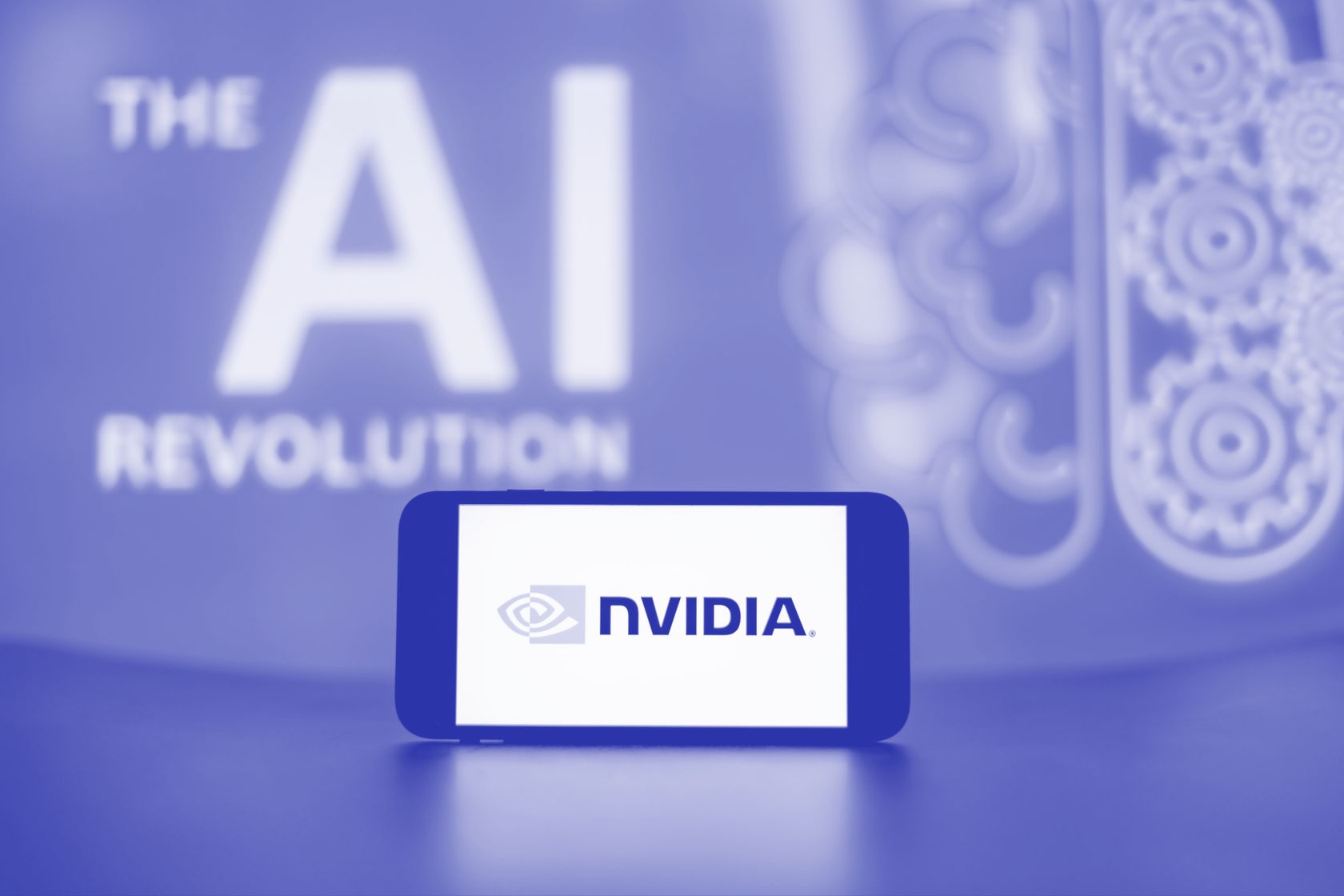
Stiff chip competition: Nvidia has begun taking orders for its new China-focused AI chip, and is pricing it on par with its product rival from Huawei. Citing unnamed sources, Reuters reports that the H20 graphics card is the most powerful of three chips Nvidia has developed for the Chinese market, since the US banned exports of advanced chips to China in order to hamper the country’s use of AI for military purposes. Nvidia is pricing the orders at a range of USD12,000 to USD15,000 ($18,200 to $22,840) per card, with some distributors advertising the chips at around 110,000 yuan, USD15,320). (Reuters)
2.
Hands-off AI: The Productivity Commission has called for a light-touch approach to be taken when it comes to regulating AI to avoid stifling its potential benefits. Research published by the Commission, which advises the Treasury department on microeconomic reforms, says AI has the potential to contribute major productivity gains and that governments should not create “unnecessary and confusing” regulations to govern AI applications. (Capital Brief)(The Australian)
3.
US-Iran conflict: The US has approved plans to carry out strikes on Iranian-linked targets in Syria and Iraq. Unnamed US officials told CBS news that the strikes would take place over a number of days, with conditions likely dictating launch timing. The strikes are a response to a drone attack on a US base in Jordan last week, which killed three US troops and injured dozens more. President Biden said the attack was carried out by radical Iran-backed militant groups operating in Syria and Iraq, but Iran has denied involvement. (CBS)
4.
Ukraine funding: EU leaders have reached agreement on a €54 billion budget aid package for Ukraine, overcoming significant opposition from Hungarian Prime Minister Viktor Orban. Orban agreed to lift his veto on the package in a meeting with European leaders on Thursday. It came after the Financial Times reported that an EU document leaked last week revealed the bloc’s threat to sabotage Hungary’s economy should he refuse to do so. Ukraine is running low on funding and continues to await Congress approval for USD61 billion in assistance from the US. (Bloomberg)(Financial Times)
5.
UK holds rates: The Bank of England held rates steady at 5.25%, following the US Federal Reserve's decision yesterday to also keep rates unchanged and pour cold water on hopes of a cut in March. BoE Governor Andrew Bailey said: “We need to see more evidence that inflation is set to fall all the way to the 2% target, and stay there, before we can lower interest rates.” Traders pulled back on bets of a spring rate cut following the announcement. (Financial Times)
6.
Swiss struggles: Julius Baer profits tumbled 52% following a write-off of its USD700 million exposure to the embattled Signa group. In November, the Swiss lender disclosed that its largest private debt exposure was to one client, Signa, and announced it would take a 70 million Swiss franc (USD81.2 million) provision against potential losses. On Thursday, Julius Baer also confirmed the departure of CEO Philipp Rickenbacher and that it would exit the private debt lending business. (Financial Times)
7.
Afterpay’s unknown future: Former staff are worried about the future of the Australian-born buy now, pay later platform Afterpay, after integration problems with its owner Block (formerly Square), and clashes between US and Australian team members. Unnamed sources who were among 1,000 Block staff let go under this week’s restructuring believe that there won’t be any more investment into the Afterpay brand. One stated: “It’s sad to see it because it’s a product loved by many Australians but there’s no [internal] team left who will grow it. A lot of time and effort has really been wasted over the last two years post acquisition.” (Capital Brief)
8.
Oil rich: Shell has raised its dividend and announced another share buyback round after posting 2023 profit that topped USD28 billion. The adjusted earnings are approximately one-third lower than the record in set in 2022, while its USD54.2 billion in cash flow from operations is the second-highest the company has achieved to date. Shell spent USD5.6 billion on low-carbon energy projects last year, representing 23% of total capital expenditure. (Reuters)
