Nvidia’s Blackwell AI chips overheat, says The Information
Plus: TikTok’s parent ByteDance hits $464b valuation; Trump taps fracking millionaire Chris Wright for top energy post; Albanese pushes cash mandate for groceries and fuel.


Good morning. Here's what happened overnight and what you need to know today.

1.
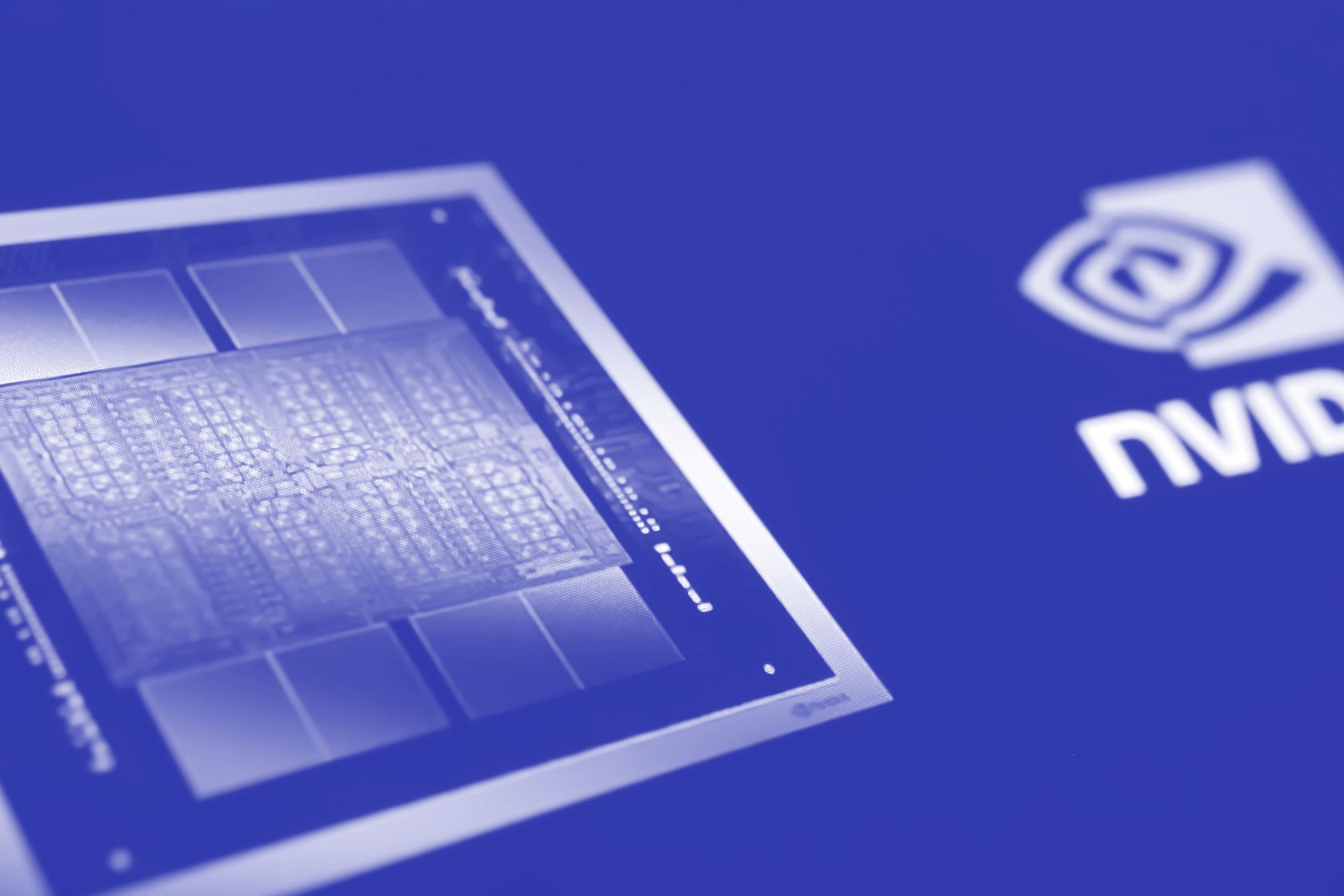
Hot chips: Nvidia's new Blackwell AI chips, touted for faster processing speed, are encountering overheating issues that customers worry could delay new data centres, The Information reported. The company has asked suppliers to revise server rack designs multiple times in an effort to fix the problem, leading to customer concerns over potential delays, the publication said citing unnamed Nvidia customers, suppliers and employees who have been working on the issue. Nvidia, the world’s most valuable chipmaker, introduced the Blackwell lineup in March, with initial shipments originally set for Q2 2024 but already delayed. A company spokesperson described the “engineering iterations” as "normal and expected.” The report, which also says the changes to Nvidia’s Blackwell racks are happening late in the production process, comes just days before Nvidia is due to release quarterly earnings on Wednesday. (The Information)(Bloomberg)(Reuters)
2.
Big byte: ByteDance, TikTok’s parent company, raised its valuation to about USD300 billion ($464.32 billion), The Wall Street Journal reported, citing recent buyback offers priced at USD180.70 per share. The number is an increase from the USD160 per share buyback in December 2023, which valued the company at USD268 billion and was itself up from an October 2023 valuation of about USD225 billion. ByteDance has carried out share buybacks since 2022 to provide liquidity as IPO markets have remained weak. The company’s global revenue grew by 30% last year, reaching USD110 billion despite the US law threatening its operations in that country due to national security concerns. In May, TikTok and ByteDance filed a federal lawsuit to block the law, arguing it infringes on users' free-speech rights. (WSJ)
3.
Trump's fuel: President-elect Donald Trump has nominated Chris Wright, founder and CEO of Liberty Energy - the world’s second-largest fracking services company - as secretary of energy. Wright is a staunch advocate for fossil fuels that last year declared, "there is no climate crisis and we’re not in the midst of an energy transition either." Describing himself as a “tech nerd,” Wright gained attention in 2019 by drinking fracking fluid on camera to demonstrate its alleged safety. He founded the USD2.8 billion ($4.33 billion) Liberty in 2011 and, along with his wife Liz, donated USD350,000 to Trump’s campaign. Despite lacking government experience, Wright is expected to support Trump’s push for increased oil and gas production. If confirmed by the Senate, he will succeed Jennifer Granholm, an advocate of electric vehicles and sustainable energy. Trump has made 12 Cabinet appointments in 12 days—five times faster than President Biden, per Axios. He also named his personal lawyer Will Scharf as White House staff secretary over the weekend. (Capital Brief)(Bloomberg)(Reuters)(NYT)
4.
Cash support: The Albanese government plans to mandate that businesses accept cash for essential items, such as groceries and fuel, starting in 2026. The details and timeline are subject to consultations considering the impact on small businesses and those who rely on cash, including people in regional areas. Despite a decline in cash use—accelerated by COVID-19—1.5 million Australians still rely on it for most payments. “For many Australians, cash is more than a payment method; it’s a lifeline,” Treasurer Jim Chalmers and Minister Stephen Jones said in a joint statement. The mandate aligns Australia with European countries and US states, including France and New York, that have similar rules. It will also ensure cash remains accessible during digital outages or disasters, Chalmers and Jones said. (Capital Brief)
5.
Xi eyes transition: Chinese President Xi Jinping said Beijing is prepared to work with Donald Trump’s incoming administration during a meeting with President Joe Biden at the APEC summit in Lima, Peru. The two-hour discussion covered key issues such as cybersecurity, trade, Taiwan, and North Korea. Xi emphasised China's goal of maintaining a "stable, healthy, and sustainable" relationship with the U.S., despite historical challenges. Biden and Xi agreed that decisions regarding nuclear weapons should be made by humans, not artificial intelligence. Biden expressed concern about North Korea’s involvement in Ukraine and raised cases of detained Americans in China. Xi denied Chinese involvement in U.S. cyberattacks and reiterated opposition to U.S. involvement in the South China Sea. Both leaders underscored the importance of dialogue, with Biden highlighting the need for continued communication post-transition. (Reuters)(FT)
6.
Chinese violence: China faced its second mass-casualty attack in a week as a recent student fatally stabbed 8 people and injured 17 at the Wuxi Vocational Institute of Arts and Technology in Jiangsu province, according to media reports. According to a statement by local police, the 21-year-old detained suspect confessed to the Saturday attack, citing frustration over failing an exam, not receiving his diploma, and dissatisfaction with internship pay. This incident follows a car ramming in Zhuhai earlier in the week that killed 35 and injured 43; the 62-year-old driver, reportedly angry over a divorce settlement, was charged on Saturday. Online discussions about the incidents, mental health and societal pressures have been heavily censored, but analysts are connecting the recent violence to rising social tensions amid China’s economic downturn. (FT)(NYT)(Reuters)
7.
Defence pact: Australia, the US and Japan committed to a new defence arrangement to enhance military cooperation in the Indo-Pacific, responding to shared concerns over China’s military build-up. The agreement, announced in Darwin by Defence Minister Richard Marles, US Defence Secretary Lloyd Austin, and Japanese Defence Agency director-general Gen Nakatani, includes consulting on responses to security emergencies such as military actions and natural disasters. As part of the deal, up to 600 Japanese troops will train annually in Darwin alongside Australian forces and the 2000 US Marines stationed in the Northern Territory. The pact was seen as a step to solidify defence ties before Donald Trump's expected return to the presidency, amid global concerns over his foreign policy approach. (Deputy Prime Minister statement)(AFR)
8.
Power strikes: Russia launched its largest missile and drone attack on Ukraine in nearly three months, deploying 120 missiles and 90 drones on Sunday, according to media reports citing government officials. The strikes targeted energy infrastructure and killed at least seven people, including in Mykolaiv, Odesa, Lviv and Dnipropetrovsk. The Ukrainian Air Force intercepted 144 of the 210 aerial targets. Ukrainian officials suggested the attack appeared to be a forceful response from Russian President Vladimir Putin to efforts by Kyiv’s allies to pursue a peace deal following the election victory of US President-elect Donald Trump. The explosions caused severe damage to power systems, triggering power outages in multiple regions. The UN's nuclear watchdog, the IAEA, said several electrical substations servicing Ukraine’s nuclear plants had suffered damage, adding only two of its nine operational nuclear reactors continue to generate power at full capacity. Meanwhile, Bloomberg reported the US is nearing a decision to let Ukraine hit some targets in Russia. (Capital Brief)(WSJ)(Reuters)(CNN)
