Before Donald Trump took office in January, Canada’s opposition leader Pierre Poilievre seemed to have the easiest path to power of virtually any conservative leader globally.
By late 2024, Justin Trudeau’s centre-left Liberal government was politically radioactive. After nine years in power, it had accumulated all the usual governing barnacles, plus a few uniquely Trudeau-esque disasters. Inflation had run rampant, housing costs were out of control and interest rates were brutally squeezing the suburban mortgage belt that decides Canadian elections. The Conservatives were racking up double-digit polling leads, and the next election was looking more like a coronation.
Then came Trump and his tariff war with his neighbours to the frozen north, followed by his wink wink, nudge nudge promise to turn it into the 51st state. Suddenly, Poilievre’s brand of confrontational, populist conservatism had the stink of fraternisation with the enemy, putting him in the unenviable position of defending his political stance as not MAGA-adjacent.
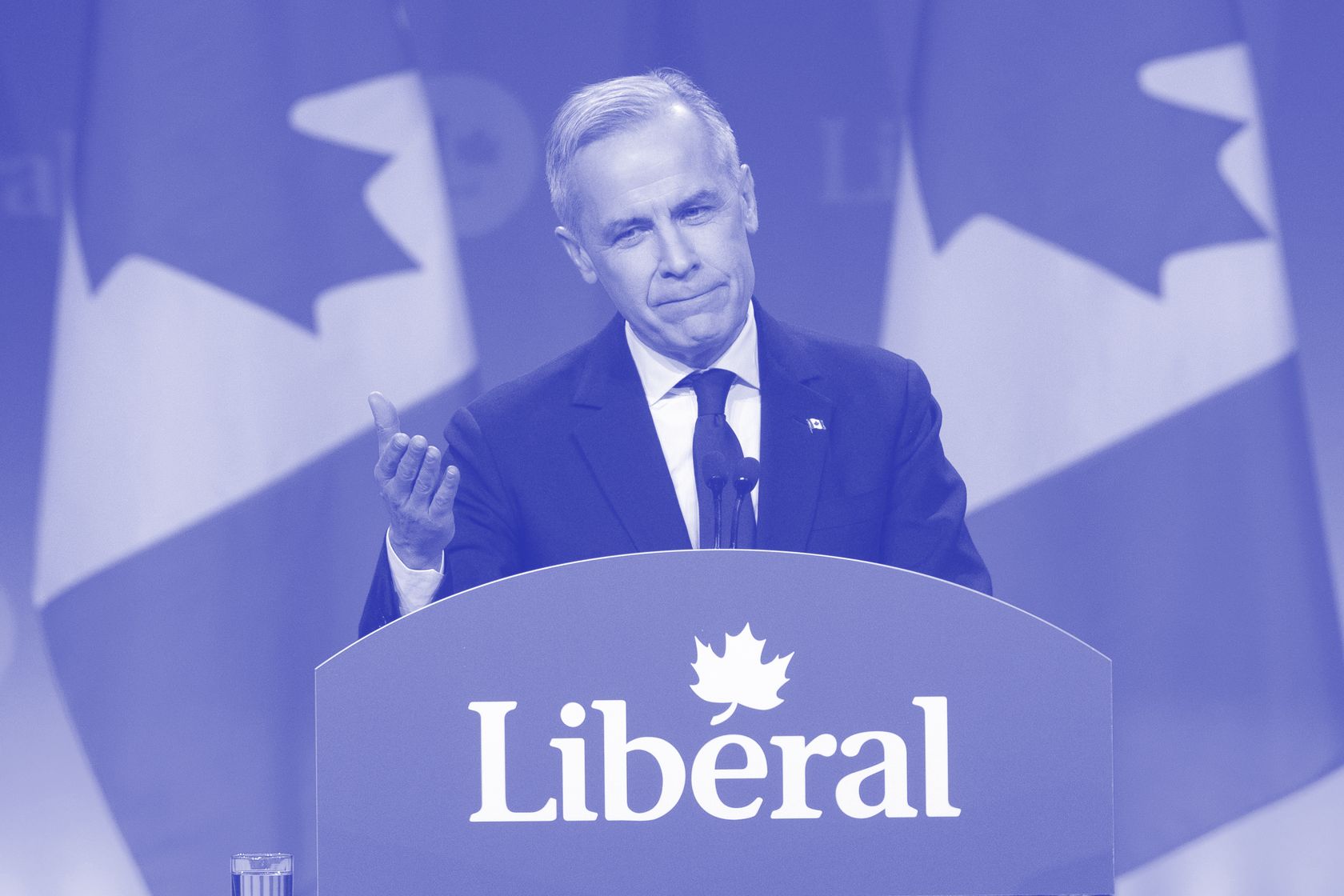
But by that point, Trudeau was already heading out the door. Now, his successor as Liberal leader and prime minister has been anointed: former central banker Mark Carney, who currently does not sit in the nation’s parliament. Replacing Trudeau was previously a way to rearrange the deckchairs and avoid total electoral annihilation — now, some polls suggest a Carney-led party would actually be competitive.