Oil surges on Biden’s retaliation discussion talk
Plus: Labor’s lost docs at Doha triggers political scramble; Biden talks progress as US port strike hits third day; US jobless claims edge higher ahead of key payrolls report.


Good morning. Here's what happened overnight and what you need to know today.
1.
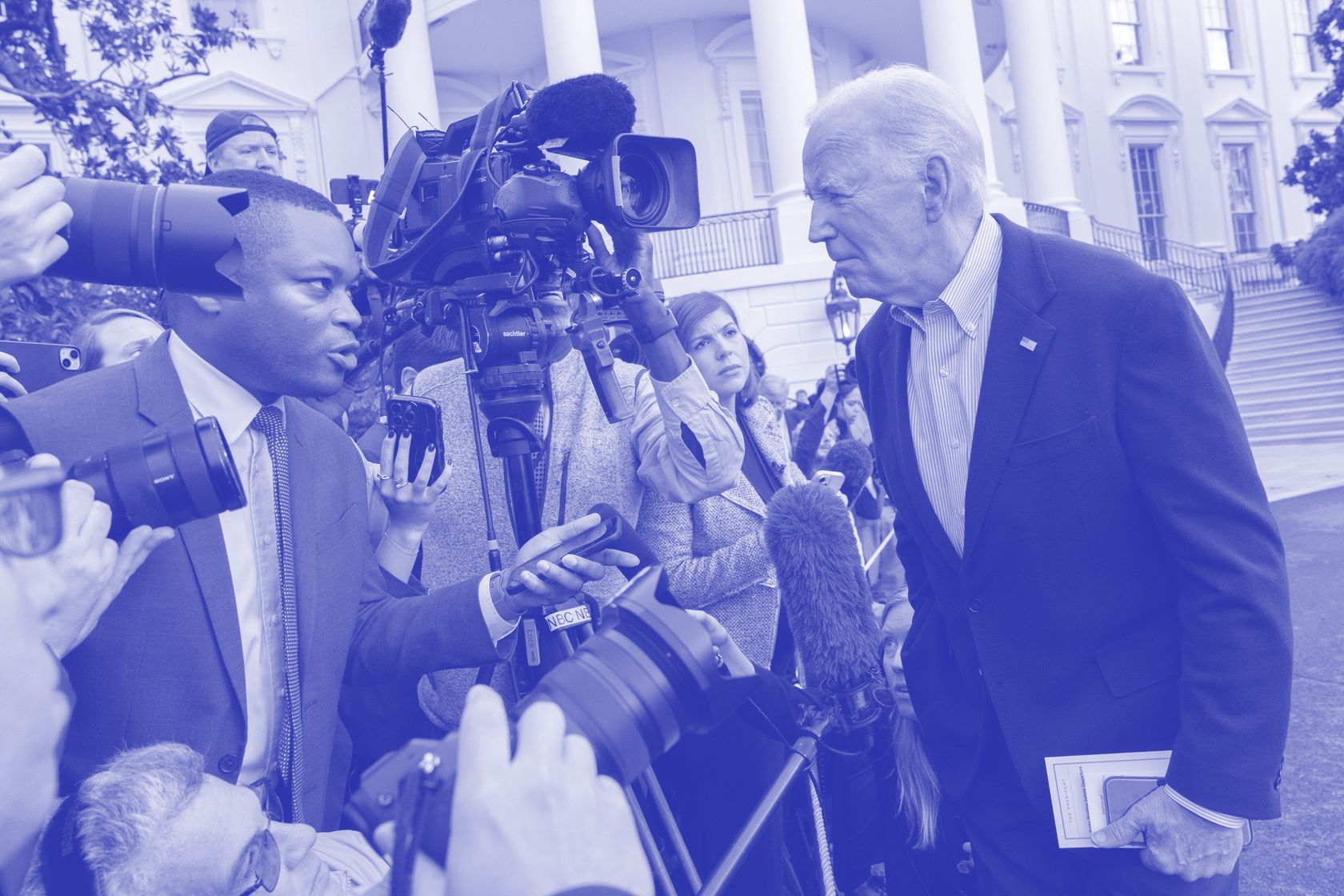
Oil fears: Oil rose again overnight after comments from US President Joe Biden fuelled speculation about potential Israeli strikes on Iran’s oil infrastructure in retaliation for missile attacks. West Texas Intermediate jumped as much as 5.5% to USD74 per barrel, the FT reported. Brent crude, the international benchmark, at one point also rose as much as 5% to USD77.65 per barrel. Israeli officials are weighing various options for retaliation, including missile launcher or oil facility strikes, the FT reported. Asked if he supported Israel striking Iran’s oil facilities, Biden responded: “We’re in discussion of that. I think that would be a little — anyway.” The global oil market could be sent “spiralling higher” if Israel were to strike Iranian refineries or if Tehran responded by attacking other oil fields and refineries in the region, Amrita Sen, a researcher at Energy Aspects said. (Capital Brief)
2.
Qatar drop: A staffer for Labor Minister Murray Watt lost a locked bag with cabinet documents at Doha Airport in July 2023, a week before the Albanese government blocked Qatar Airways’ request for extra flights, Capital Brief reported. The confidential documents left on an Indian airline plane, triggered a diplomatic scramble, and the bag was never recovered despite efforts by Watt’s office and Australia’s Doha embassy. The documents concerned domestic agricultural issues, but the timing raised suspicions at DFAT, as Transport Minister Catherine King blocked the additional flights soon after the incident, drawing criticism that it was made at the behest of Qantas. Qatar Airways this week announced plans to buy a 25% stake in Virgin Australia, potentially bypassing the need for extra flights, and Treasurer Jim Chalmers has said the deal will only be approved if in the national interest. (Capital Brief)
3.
Port progress?: President Biden also said progress was being made as a strike of US port workers entered its third day in dozens of ports from Maine to Texas. At least 45 container vessels are stranded outside East and Gulf coast ports, with the building backlog expected to double by the end of the week. No talks were planned between the International Longshoremen's Association and employers, but port owners, facing pressure from the White House to increase their pay offer, have indicated they are willing to reopen negotiations, Reuters reported. Asked about the port strike, Biden said “I think we’re making progress on that,” without offering any details. Biden has resisted calls to stop the 45,000 port worker strike by using federal powers. As well as pay rises, the ILA wants a halt to port automation projects. (Reuters)
4.
Jobless focus: US jobless claims rose slightly to 225,000 last week, up from 219,000, reflecting a cooling labour market ahead of Friday’s key unemployment data for September. Continuing claims fell marginally to 1.826 million, data from the Department of Labor showed. Meanwhile, a separate report showed services sector activity in September grew at the fastest pace since February 2023, suggesting ongoing resilience in the broader economy. The weekly data continues to show the labour market remains stable, supported by low layoffs and now falling interest rates. But disruptions from Hurricane Helene and strikes at Boeing and major US ports are expected to present challenges and potentially distort the data. (Capital Brief)
5.
ME conflict: Israel continued its offensive against Hezbollah, striking Beirut suburbs and urging evacuations in over 70 southern Lebanese towns. Hezbollah also continued its rocket attacks. Iranian President Masoud Pezeshkian warned of a “decisive response” if the country’s red lines were crossed, while Israeli officials were reportedly considering retaliation options against Iran’s thwarted missile attacks. Nearly 2,000 people, including 127 children, have been killed in Lebanon, with most casualties in the last two weeks, the health ministry said. Australia, Greece, Italy, Spain, the US and other countries are ramping up evacuations, with Cyprus and Turkey emerging as key hubs. Foreign Minister Penny Wong urged Australians to leave Lebanon immediately, as G7 countries warned the situation risks “uncontrollable escalation”. Russia also began evacuations. The WHO reported that 28 healthcare workers were killed in Lebanon in the past 24 hours, severely hindering medical aid. (Reuters)(AP)
6.
Full coffers: OpenAI secured a USD4 billion ($5.84 billion) revolving credit line on top of its just completed USD6.6 billion equity fundraising, giving it enough liquidity to fund new initiatives and “operate with full agility as we scale,” the company said. Several banks, many of them customers, funded the financing, including JPMorgan Chase, Citigroup, Goldman Sachs, Morgan Stanley, Banco Santander, Wells Fargo, Sumitomo Mitsui, UBS and HSBC. Since launching ChatGPT in 2022, OpenAI has been at the forefront of AI development, but at a big cost, as training its models requires massive amounts of energy, computing power and data, all of which comes with a high price. “How do we keep investing and what drives this technology?” CFO Sarah Friar told CNBC. “It’s compute first, and it’s not cheap. It’s great talent second. And then, of course, it’s all the normal operating expenses of a more traditional company.” (Capital Brief)
7.
EU’s EV tariffs: Germany will vote against the European Union’s proposed tariffs on Chinese electric vehicles (EVs) in an upcoming vote on Friday, Reuters reported citing unnamed sources. The decision follows intense pressure from German automakers who depend on the Chinese market, with a third of their sales last year coming from the Asian nation. Germany abstained in a previous non-binding vote in July but will now oppose the tariffs, aligning with carmakers’ concerns over potential retaliation from China. The EU’s proposed tariffs are intended to create a level playing field by countering Chinese subsidies. France, Italy, Greece and Poland are set to vote in favour of the tariffs, the publication said, which would push the measure through. Worker unions and automakers argue the tariffs will not improve the competitiveness of Europe’s automotive industry. (Reuters)
8.
Drag denim: Levi Strauss shares plunged after it slightly missed third-quarter revenue expectations and trimmed its full-year sales outlook. The company reported USD1.52 billion ($2.22 billion) in revenue, below expectations of USD1.55 billion. Its 3Q numbers reflected weakness in China and a decline in its wholesale business, which fell 6%. Levi said it was reviewing options for its Dockers brand, including a possible sale, with Dockers’ sales down 15%. The jeans maker said it expects 1% sales growth for the year, down from earlier projections of up to 3%. It is focusing on direct-to-consumer sales, including through a strategic partnership with Beyoncé, which has generated some buzz for the brand. But a cybersecurity incident in June and the weakness of the Mexican peso hurt its financials. Shares fell over 11% in intraday trading before paring some losses. (Levi Strauss)(Bloomberg)
