On the precipice
Israel’s strike on Iran rattled markets and raised fears of oil disruption — another reminder that in today’s economy, instability is always close at hand.


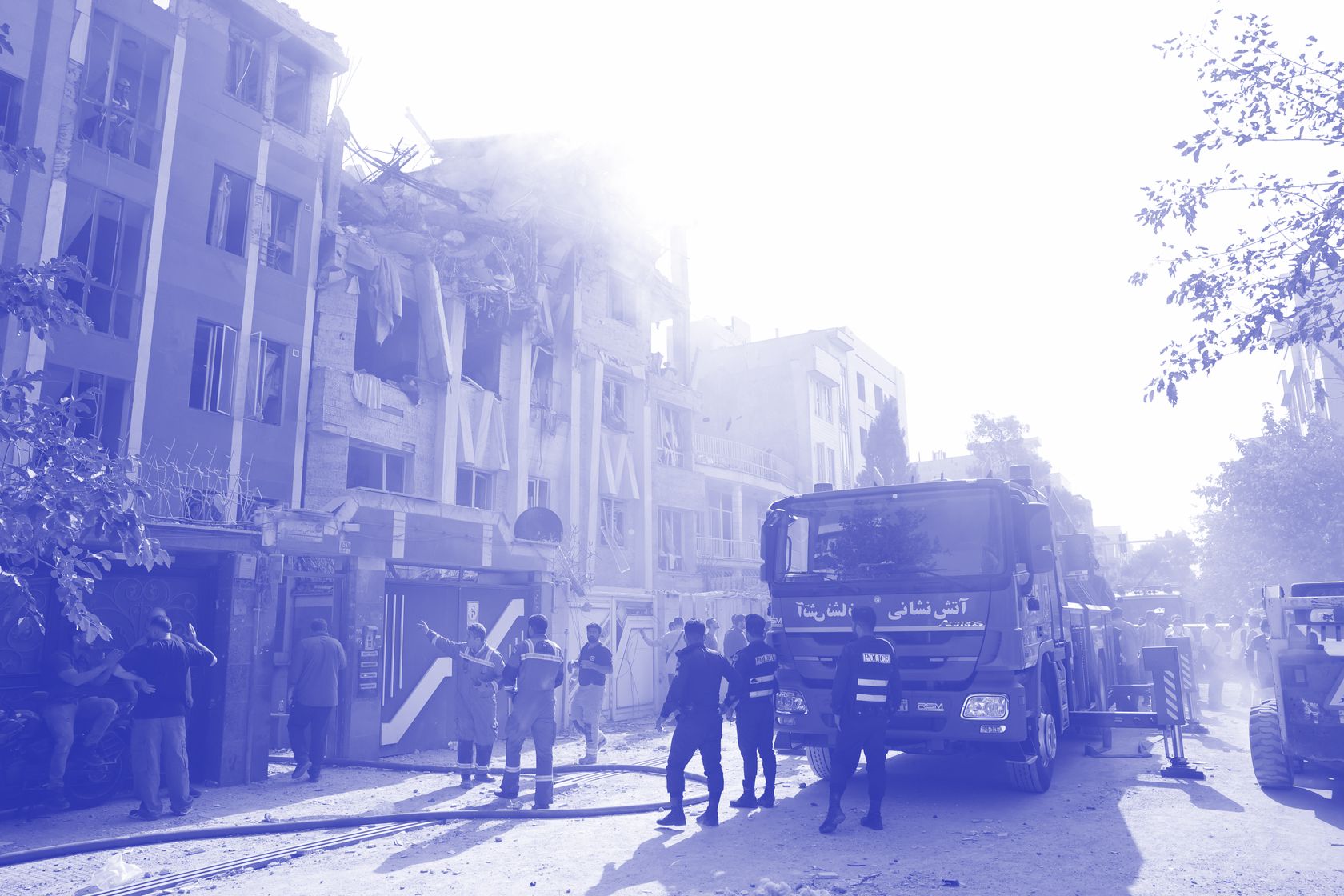
The only certainty in the global economy is that another crisis is always lurking right around the corner. Israel’s attacks on Iran today are a reminder that the new era of permacrisis and uncertainty is far from over.
Aside from the humanitarian and political implications — Foreign Minister Penny Wong says the development has “alarmed” the Australian government, though it understands the threat of Iran’s nuclear program — there are clear financial concerns too. As the news broke, oil stocks soared and the ASX quickly moved into the red.

It would be remiss of us not to acknowledge that it’s far too early for forecasters to make firm predictions about how this will pan out. Still, thinking through the possibilities is crucial, given the potential economic impact.
JP Morgan, for instance, has estimated that in a more extreme worst-case scenario, oil prices could double to around USD120 or USD130 a barrel. This would require disruption to the supply of Iran’s 2.1 million daily exported barrels — potentially via the closure of the Strait of Hormuz. Other analysts, such as SEB’s chief commodities analyst Bjarne Schieldrop, have warned the fallout could be even worse, telling CNBC the global economy could “crater”.
