OpenAI eyes 10% stake in AMD in massive AI chip deal
Plus: France in political turmoil again as PM quits; Israel and Hamas in indirect peace talks hosted by Egypt; Women seen exiting VC for top startup roles.

Good morning. Here's what happened overnight and what you need to know today.
1.
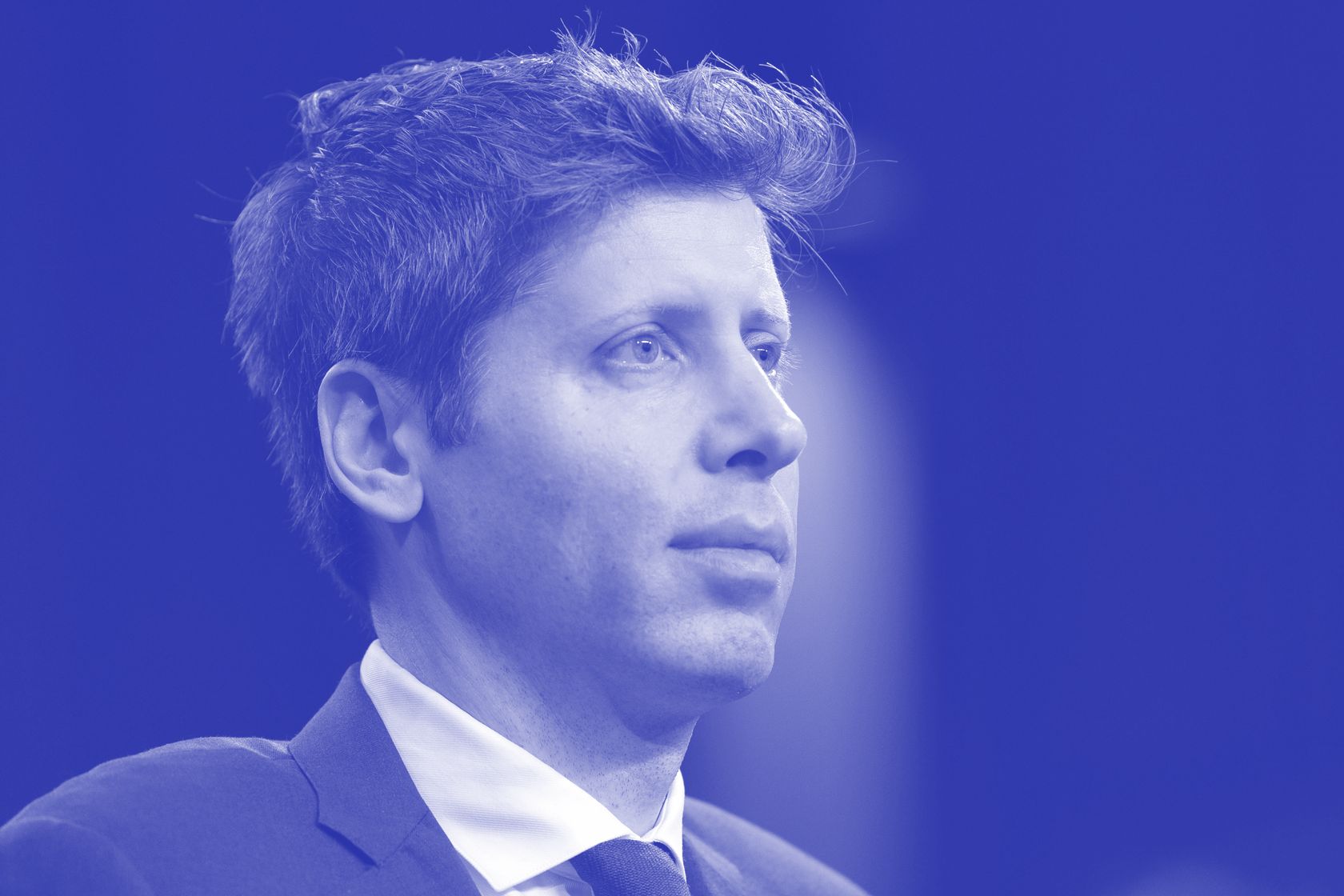
High st(AI)kes: Shares in Advanced Micro Devices skyrocketed by as much as over 37% on Monday in New York after OpenAI agreed to buy tens of billions of dollars’ worth of AMD chips as part of a deal that could see OpenAI take an almost 10% stake in the chipmaker. Under the agreement, OpenAI will deploy 6 gigawatts of AMD GPUs over several years. While the companies did not disclose a total transaction figure, the FT said OpenAI executives have estimated that 1GW of capacity costs around USD50 billion to bring online, with two-thirds of that amount spent on the supporting chips and infrastructure. AMD also gave OpenAI a warrant for up to 160 million shares of its common stock, which will vest as milestones are achieved to “further align strategic interests” between the companies. The warrant will be offered at an exercise price of USD0.01 over time and would equate to a roughly 10% stake in the company. Meanwhile, at OpenAI DevDay in San Francisco, the Sam Altman-led company announced a suite of new developer tools and unveiled “talking to apps” integrations with third-party apps for its chatbot. (OpenAI)(FT)(WSJ)(Capital Brief)(Bloomberg)
2.
Le crisis: French Prime Minister Sebastien Lecornu resigned on Monday, just one day after President Emmanuel Macron’s office unveiled a new cabinet that was broadly criticised. The Élysée Palace announced Lecornu’s decision after right-wing allies indicated that they would withdraw from his government less than one day after the PM named ministers for his prospective government. Lecornu had promised to deliver a change from previous Macron governments, but named several ministers from his predecessor’s cabinet as well as ministers from previous Macron administrations. Lecornu was appointed Prime Minister less than one month ago. The move underscores a deepening political crisis that has seen leaders struggle to pass a budget through a fractured parliament that included unpopular spending cuts and tax increases to address the country’s large deficit. Lecornu was Macron’s fourth prime minister in just over one year. National Rally president Jordan Bardella called for a “return to the polls” on the news. (Élysée Palace)(Capital Brief)
3.
Egypt talks: Israel and Hamas began indirect negotiations in Egypt in what Washington hailed as the closest the sides have yet come to ending the war in Gaza. The talks, held in Sharm El-Sheikh, are based on US President Donald Trump’s 20-point plan, under which fighting would cease, hostages would go free and aid would pour into Gaza, Egyptian state TV reported citing government sources. Both sides have endorsed the overall principles of the plan, but key details remain unresolved, including demands that Hamas disarm and Israel withdraw its troops. Trump has urged parties to “MOVE FAST” and ordered Israel to suspend bombing in social media posts. Strikes in Gaza, however, have continued, killing over 100 people since Friday, according to Gaza health authorities cited by CNN. Mediators from the US, Egypt, Qatar and Turkey are attending, CNN reported citing unnamed sources, with Hamas asking for guarantees that Israel will honour any deal once hostages are freed. Meanwhile, Israel deported 171 Gaza flotilla participants, including Greta Thunberg. Some of them allege mistreatment in Israeli custody, which Israel denies. (NYT)(Bloomberg)(CNN)(Reuters)
4.
Great escape: In venture capital, they call it “pattern matching” – identifying similarities in successful investments – but Claire Bristow and Adele Moynihan spotted a different pattern: the escape route their female colleagues were taking. Both women recently left roles in Australian venture capital for chief of staff positions at high-growth startups. They’re part of a broader trend of women leaving VC for operational roles. Many of these women entered venture capital during the 2021–22 hiring surge, when firms faced pressure to improve gender representation. Now, two to three years later, they’re leaving — not for traditional corporate roles or to exit the startup ecosystem entirely, but for operational positions at the very companies VCs typically fund. "When you're looking up and you're looking forward, you ask yourself, where does this go?" Bristow told Capital Brief. "I don't think that people don't want to be in venture for the long term.” (Capital Brief)
5.
Not-so-Free Press: Paramount Skydance CEO David Ellison appointed Bari Weiss editor-in-chief of CBS News as part of a deal which will see Paramount acquire the Free Press, the news site founded by Weiss, for USD150 million ($227 million). Weiss founded the Free Press in 2022 after resigning from the New York Times as an opinion writer in 2020, saying she had been the subject of “constant bullying” by NYT colleagues who disagreed with her views. Weiss has been critical of mainstream media outlets, many of which she has accused of liberal bias. She has also opposed “cancel culture” and become a popular voice for US conservatives. Weiss and the Free Press have been staunch Israel supporters throughout the conflict. In August, Paramount released a statement supporting Israeli filmmakers and is releasing a miniseries dramatising the 2023 Hamas attacks on Israel. David Ellison is the son of Trump ally and Oracle founder, Larry Ellison. (Paramount Skydance)(WSJ)(Bloomberg)(Reuters)(Capital Brief)
6.
Yen shock: Sanae Takaichi’s surprise victory in Japan’s ruling party leadership race jolted financial markets, putting her on course to become the country’s first female prime minister. The yen tumbled 1.8% against the dollar to past 150 and sank to a record low against the euro, while longer-term bond yields surged on concern that her policies will require more government spending and fan inflation. The Nikkei 225 rose 4.75% to a fresh record on hopes of more fiscal stimulus, with exporters, defence equipment makers and some construction firms gaining sharply. Options traders became the least bullish on the yen since 2022, Bloomberg reported, and the probability of a Bank of Japan rate hike this month dropped from 60% to about 24%. Takaichi, a pro-stimulus lawmaker and advocate of Abenomics, opposes immediate rate increases and favours tax cuts. Her conservative positions have raised tensions with the Buddhist-backed Komeito party, the LDP’s long-time coalition partner, which has threatened to leave the alliance. A mid-October parliamentary vote is expected to confirm her as prime minister. (Reuters)(Bloomberg)(AP)
7.
Truck tariffs: Donald Trump said 25% duties on medium and heavy-duty trucks will begin on 1 November. Trump had initially said the levies would start 1 October, but the deadline slipped as officials heard appeals from companies and amid intense lobbying by Detroit’s legacy automakers. The tariffs follow an April investigation by the US Commerce Department under Section 232 of the Trade Expansion Act, which allows import taxes on goods deemed critical to national security. The probe focused on trucks weighing more than 10,000 pounds and parts, and found that a small number of foreign suppliers made up the bulk of US imports due to predatory trade practices. The truck tariffs were announced last month alongside sweeping new duties: 100% on branded drugs, 50% on imported kitchen cabinets and vanities, and 30% on upholstered furniture. (Donald Trump)
8.
Midwest banking: US regional lender Fifth Third Bancorp is buying Comerica for USD10.9 billion ($16.5 billion) in an all-stock deal, creating the ninth-largest US bank with approximately USD288 billion in assets. The deal, the largest US bank tie-up of the year, is expected to close by the end of the first quarter of 2026, pending shareholder approval. Fifth Third shareholders will own about 73% of the combined company, Comerica shareholders 27%. Fifth Third sees the merger as a way to deepen its commercial capabilities and expand in high-growth markets including Texas, California, Arizona and the Southeast. It also comes as Comerica faced pressure from activist investor HoldCo Asset Management to pursue a sale. The acquisition is seen as part of a broader consolidation trend among regional banks, driven by competitive pressures and a more permissive regulatory climate under the Trump administration. (Capital Brief)(Comerica)(Bloomberg)(WSJ)
