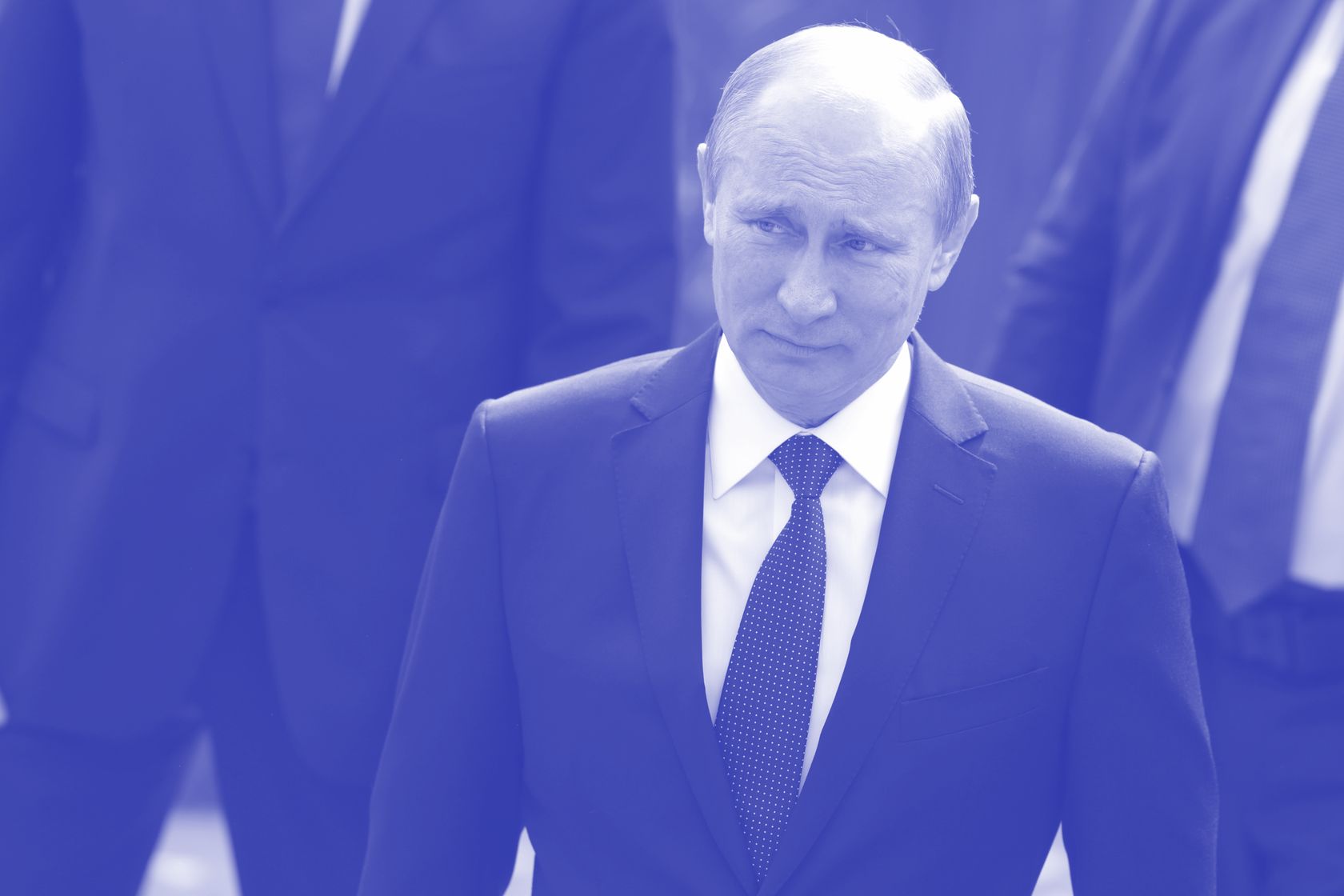
Putin wins election to become Russia's longest-serving leader in 200 years
Plus: Apple, Google and Epic Games exchange barbs as major court battle begins in Melbourne; SpaceX is building spy satellite network for US intelligence agency; BHP layoff hits 25% of West Musgrave project.

Good morning. Here's what happened overnight and what you need to know today.

1.
Russian election: Protests and arrests were seen at Russian polling stations as Vladimir Putin secured his fifth term as President of Russia. With 87% of the votes, the virtually unchallenged incumbent achieved a landslide victory, and his fifth six-year term will see Putin overtake Josef Stalin as the country’s longest-serving leader in over 200 years. Three other candidates, all from parties loyal to the Kremlin, received under 5% of the votes. Supporters of Alexei Navalny, Putin’s recently deceased political rival, staged symbolic ‘noon against Putin’ protests at polling stations across the country on the last day of the election. (Reuters)(Bloomberg)
2.
Epic hearing: Apple and Google have come out of the gates swinging, as their 16-week trials (which will be heard together) against Epic Games kick off this week. Defence documents for the matters seen by Capital Brief show that both tech giants will argue Epic Games’ allegations that the firms have breached Australian legislation are "vague and embarrassing." Privacy and security concerns linked to Epic's pursuit of court orders to force them to open up their app stores are the focus of the tech giants’ defence. Google also accuses Epic of "free-riding" on its app-store "investment, technology and efforts." Epic has accused both companies of "supra-competitive" conduct. (Capital Brief)
3.
Satellite intelligence: Elon Musk’s SpaceX is building a spy satellite network for US intelligence services, sources cited by Reuters state. The company’s Starshield business unit is building a network of hundreds of spy satellites under a classified USD1.8 billion ($2.74 billion) contract signed in 2021 with the National Reconnaissance Office, a US agency that manages spy satellites. The plans signal deep investment by the Pentagon into low-earth orbiting satellite systems aimed at supporting forces on the ground. Sources said that if successful, the program will advance the ability of the US government and military to quickly spot potential targets across the globe. (Reuters)
4.
BHP layoffs: BHP has stood down around one quarter of contractors building its $1.7 billion West Musgrave nickel and copper project in Western Australia, according to sources cited by the Australian Financial Review. A BHP spokesperson told the AFR that some contractors on the project had been “demobilised” as the company assesses phasing and capital spend on the project. While the staff reductions bring its total workforce down to around 300 from 400, the spokesperson said the entire project has not been abandoned. The Australian nickel industry has been suffering increasing pressure from Indonesian producers, with growing supply lowering prices of the metal by almost 50% during 2023. During February, the mining giant reported an 86% hit to its first-half profit, after warning shareholders of major write-downs. (Australian Financial Review)(Capital Brief)
5.
Hole in EU defence: Europe is facing a €56 billion yearly defence spending shortfall as it struggles to meet Nato’s target for defence spending to reach 2% of GDP. According to research by Germany’s Ifo Institute for the Financial Times, the EU countries with the largest shortfalls also bear the highest levels debt and budget deficits across the bloc. The largest shortfall by value seen in the region was from Germany, which spent €14 billion less than was needed to meet the 2% benchmark. Spain, Italy and Belgium follow as the largest shortfalls. Earlier this year, presidential candidate Donald Trump said that Russia should do “whatever the hell they want” to Nato countries that fail to meet spending targets, foreshadowing a policy position should he be re-elected in November. (Financial Times)
6.
Off target: Australia is on track to miss 2030 climate goals by number of years, according to new research from Oxford Economics, as the renewable energy transition takes longer than expected. Currently aiming to reach emissions levels of below 43% 2005 levels by 2030, Oxford’s bi-annual economic outlook explained that while paths to net zero do exist, the cost of transition will be high and it is unclear who will ultimately foot the bill. Kristian Kolding, head of consulting for Oxford Economics Australia said: “more worrying is the fact that we don’t currently see a path to meaningfully decarbonising hard to abate industrial sectors and electrifying the vehicle fleet will take decades.” (Bloomberg)
7.
Celebrity exit: Canadian payments processor backed by Ryan Reynolds, Nuvei, is nearing a buyout deal with PE giant, Advent International. According to sources cited by the Wall Street Journal, the advanced talks could be announced soon. Nuvei’s current market capitalisation of around C$4.1 billion would push the deal into one of the largest PE buyouts of late, as the sector struggles with higher interest rates. After Reynolds investment for an undisclosed sum in April last year, short seller Spruce Point Capital Management published a report questioning the firm’s rationale behind its USD1.3 billion purchase of payments platform, Paya Holdings. (Wall Street Journal)
8.
Private capital: Investment boutique GQG Partners has announced the launch of GQG Private Capital Solutions, with the acquisition of a trio of US boutiques from Pacific Current Group. The new venture will acquire Pacific’s minority interests in Avante Capital Partners, Proterra Investment Partners, and Cordillera Investment Partners, for an aggregate cash consideration of USD71.25 million. GQG Private Capital Solutions will be GQG’s first foray into private markets, and will operate independently from GQG’s traditional global equities business. The majority of the boutiques’ US-based employees, including the investment team led by Pacific Current CEO/CIO, Paul Greenwood, will become full-time employees of GQG. The news comes one week after Pacific Current sold its 4% stake in GQG for $257.3 million in a discounted block trade deal with institutional investors (GQG Partners announcement)(Pacific Current Group announcement)(Capital Brief)
