Regulation roulette
With Trump targeting global tech regulation, Australia’s media and tech sectors are bracing for impact. But the fallout may not be as clear-cut as it seems.


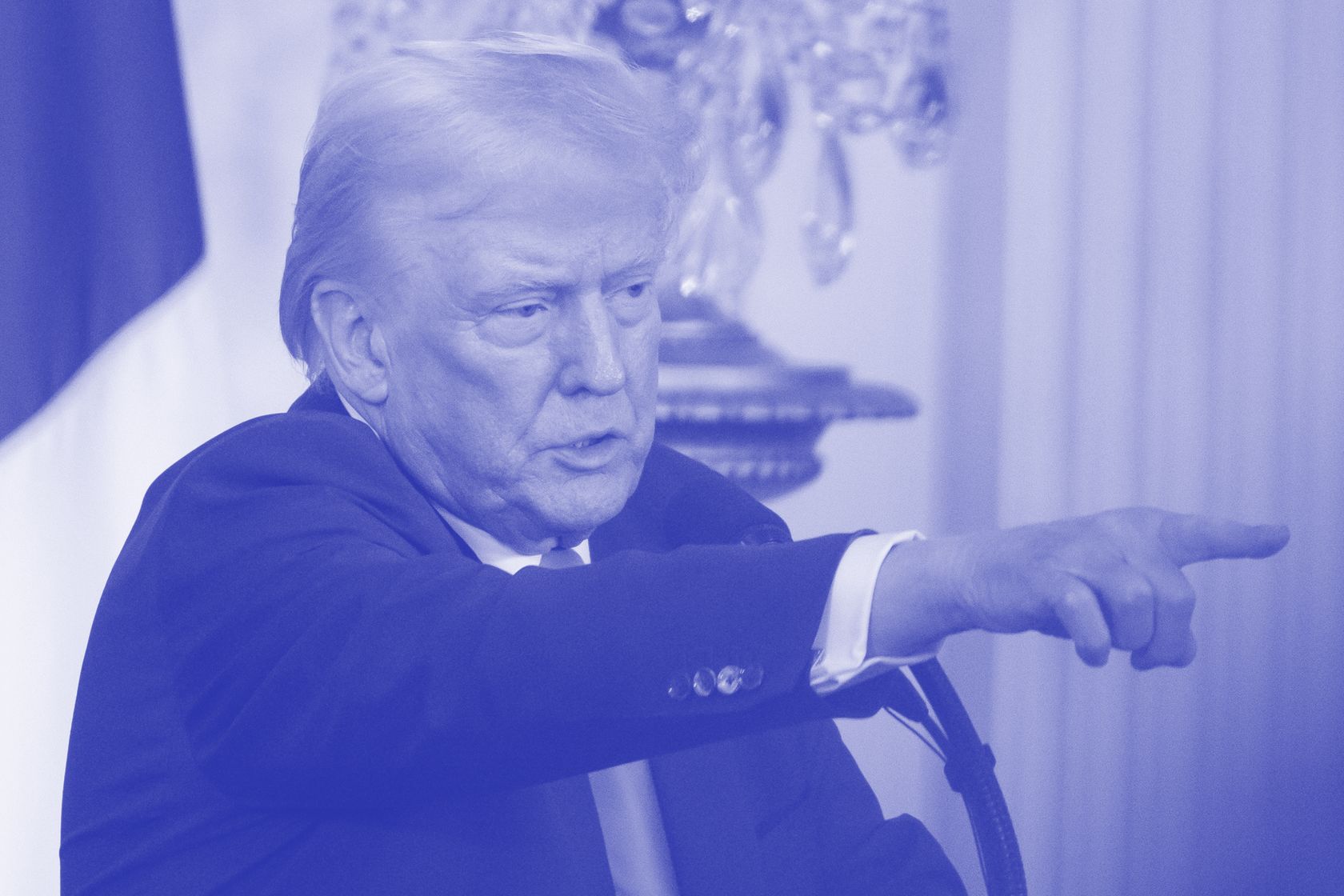
Donald Trump’s weekend directive against “unfair” regulation, excessive taxes and the “extortion” of US technology giants by foreign governments would have sent shivers up the spines of bureaucrats in Canberra — and tested the nerves of weary Australian media executives.
On the face of it, the US president’s order and threat of retaliatory tariffs would appear to put various Australian initiatives on shaky ground, most notably a planned tech levy that would compel companies like Meta and Google to pay local media outlets for news content. But on closer inspection, the implications may not be so clear-cut.

Two Capital Brief stories published in the past day neatly encapsulate the dynamics at play for two of the key power centres in the Australian economy most affected by the directive, one deeply entrenched (the media), the other still emerging (the tech sector).
As Daniel Van Boom reported, the Tech Council of Australia was quick to seize on Trump’s directive to urge Canberra to work more closely with the White House. “As a trusted ally of the US, we have an extraordinary opportunity for Australia to … collaborate on sovereign tech development,” said Harry Godber, the Tech Council’s head of policy.
