Russia, North Korea sign strategic pact
Plus: Samsung’s new AI laptop has compatibility issues; UN report says IDF may have violated laws of war; Citi predicts AI will hit banking jobs hardest.


Good morning. Here's what happened overnight and what you need to know today.

1.
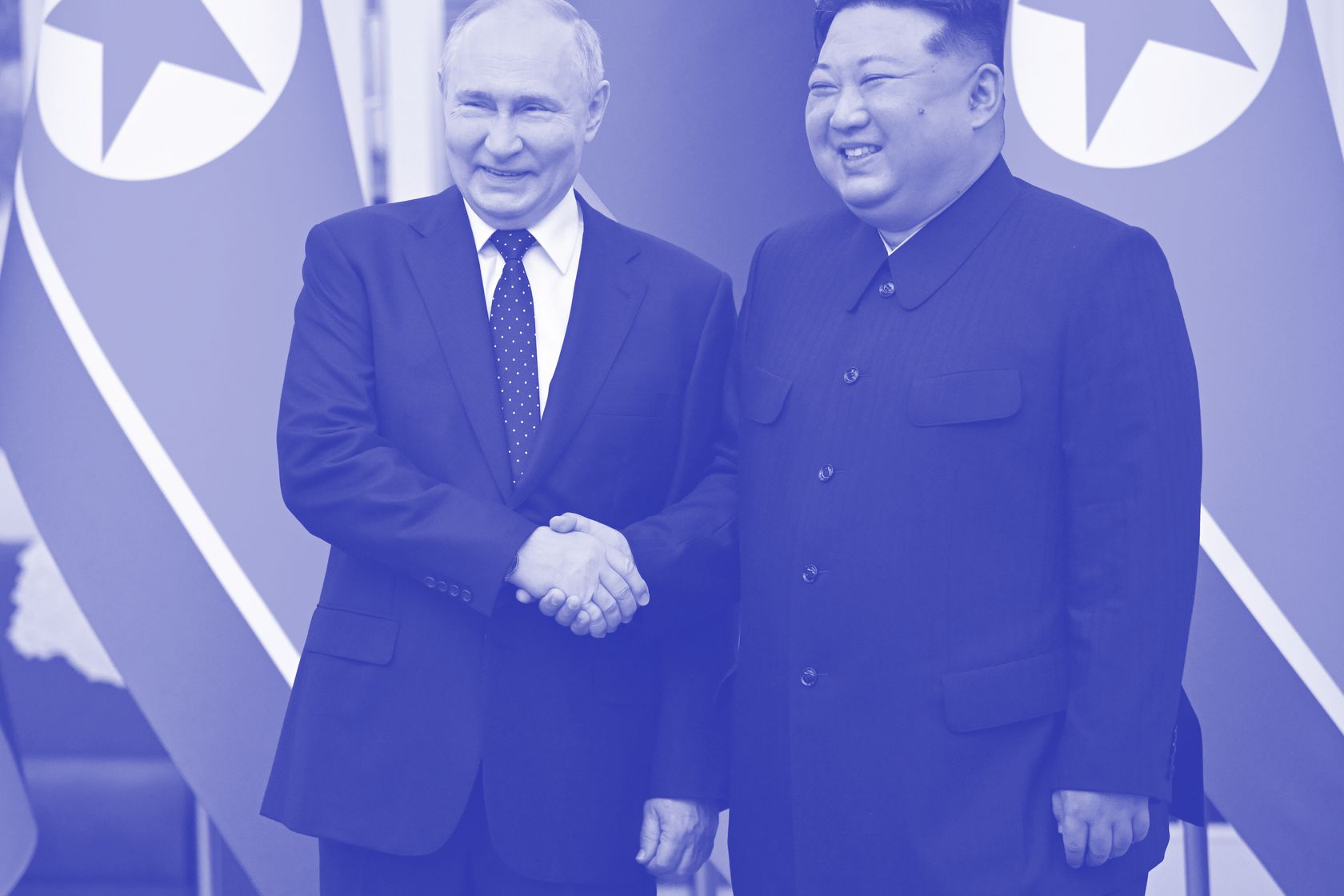
Putin-Kim alliance: Russian President Vladimir Putin and North Korean leader Kim Jong-un signed a new mutual defence agreement on Wednesday, reviving a Cold War-era pledge, to support each other against "aggression." The pact, described by Kim as an “alliance,” was signed in Pyongyang during Putin’s first visit to North Korea in 24 years. Russian state news agency Tass quoted Putin saying the agreement includes provisions “for mutual assistance” and potential military-technical cooperation, though neither the text of the agreement nor specific details were disclosed. The pledge of mutual assistance heightened concerns in the West, particularly in South Korea and the US, over its potential to help Russia’s invasion in Ukraine and undermine efforts to curb North Korea’s nuclear and missile programs. Kim said North Korea would support Russia’s policies “unconditionally” (New York Times) (The Guardian) (Bloomberg)
2.
AI anomaly: Samsung Electronics said its new AI-powered laptop Galaxy Book 4 Edge is facing software compatibility issues. Featuring a Microsoft operating system and AI capabilities, the laptop was released on Tuesday in the US, South Korea, and other markets. The problems could be an early sign of the challenges tech companies may face as they introduce new AI-powered devices while maintaining compatibility with existing software. Samsung’s new laptop uses Qualcomm's Snapdragon processor and a version of Windows 11 designed with technology from Arm. In its Korean-language product site, Samsung listed incompatible applications, including Adobe software and popular games like League of Legends and Fortnite. It didn’t specify the exact cause but attributed the issues to operational conditions related to Windows 11 Arm and the Qualcomm processor. It said developers were working on “improvements” and would provide regular updates. (Wall Street Journal)
3.
War laws: The United Nations human rights office (OHCHR) said that Israeli forces may have violated the laws of war multiple times in the Gaza conflict, failing to distinguish between civilians and fighters. A report on six Israeli attacks that involved the suspected use of heavy bombs, causing significant casualties and destroying residential buildings, a school, refugee camps and a market, concludes the Israeli Defense Forces “may have systematically violated” the key humanitarian law principles of distinction, proportionality, and precaution in attack. “The requirement to select means and methods of warfare that avoid or at the very least minimise to every extent civilian harm appears to have been consistently violated in Israel’s bombing campaign," High Commissioner for Human Rights Volker Türk said in a statement. Israel's mission to the UN in Geneva dismissed the analysis as "factually, legally, and methodologically flawed". (Reuters) (OHCHR release)
4.
Banker bot: AI is expected to displace more jobs in banking than in any other sector, Wall Street giant Citigroup said. About 54% of banking roles could be automated, with an additional 12% augmented by AI, the lender said in a report. Major banks, including Citi, JPMorgan, Deutsche Bank and ING, are increasingly integrating AI to boost productivity and cut costs. Citi has equipped its 40,000 coders with AI tools and uses generative AI to streamline regulatory processes. While AI may replace many jobs, its implementation is also likely to create new roles, such as AI managers and AI-focused compliance officers. Citi's chief technology officer, David Griffiths, said AI had the potential to revolutionise banking and improve profitability. (Bloomberg)
5.
Bamboo diplomacy: Communist-ruled Vietnam is preparing to welcome Russian President Vladimir Putin for a visit that underscores the nations' historical ties, despite potential backlash from Western allies. Putin’s arrival follows his visit to North Korea, showcasing Russia’s global friendships amid Western isolation efforts. Vietnam, carefully balancing alliances with both the US—its top trading partner—and the European Union, has faced criticism from the US for hosting Putin amid international condemnation over war crimes accusations in Ukraine. However, Hanoi values its relationship with Moscow, a major arms supplier and key player in Vietnam's foreign policy. Putin's fifth visit to the country is expected to include agreements in trade, investment, technology, education, and potentially green energy. The visit is part of Vietnam's "bamboo diplomacy," balancing relations with major world powers despite their animosity towards one another. It follows recent visits by US President Joe Biden and Chinese President Xi Jinping. (Reuters)
6.
Cooling inflation: British inflation returned to its 2% target in May for the first time in nearly three years, though strong underlying price pressures make a pre-election interest rate cut from the Bank of England on Thursday unlikely. The fall in inflation, driven by lower food prices and regulated household energy bills, marks a significant drop from the 11.1% high in October 2022. However, the data also showed services price inflation at 5.7% in May, slightly below the April figure but above forecasts. Domestic price pressures, including high pay growth, remain a concern, and most economists polled by Reuters expect rate cuts will begin in August. Prime Minister Rishi Sunak welcomed the inflation drop, even though it’s unlikely to improve his prospects at the 4 July election. Consumer prices in Britain have risen by more than 20% over the past three years, squeezing living standards and contributing to the unpopularity of Sunak’s Conservatives, who are far behind the opposition Labour party in opinion polls. (Reuters)
7.
Eurozone crunch: The European Central Bank (ECB) warned Eurozone countries face significant fiscal pressures due to ageing populations, increased defence spending, and climate change. In an economic bulletin published Wednesday, the ECB estimates the countries need to reduce their budget deficits by an average of about 5 percentage points of GDP by 2070. This, the Financial Times calculates, is equivalent to €720 billion ($1.16 trillion) at current output levels. The warning comes as the European Commission reprimanded France and six other countries for breaching EU fiscal rules, heightening investor concerns about the sustainability of public finances in the 20-member single currency bloc. (Financial Times) (European Central Bank)
8.
Bonus boost: JPMorgan is lifting an EU-imposed bonus cap for its London-based staff, allowing senior bankers to earn up to 10 times their fixed pay in annual bonuses. The move follows the abolition of the EU rule that had limited bankers' bonuses to double their fixed salary since 2014. The Wall Street giant informed employees that while some fixed pay elements will be maintained, a senior JPMorgan banker earning £1 million in fixed pay could now receive a bonus of up to £10 million. Insiders expect total annual pay levels to remain largely unaffected this year, as bonuses will still be performance-based. The new pay structure aims to attract talent from rivals and internationally, following similar steps by Goldman Sachs. The EU bonus cap had faced criticism for not effectively curbing risk-taking behaviour and for increasing fixed salaries and allowances. (Sky News)
