Russia tests new missile on Ukraine
Plus: ICC issues warrants on Netanyahu over 'war crimes'; Trump’s AG candidate Matt Gaetz withdraws bid; RBA eyes consensus over rules for Big Tech as US puts wallets under bank scrutiny.


1.
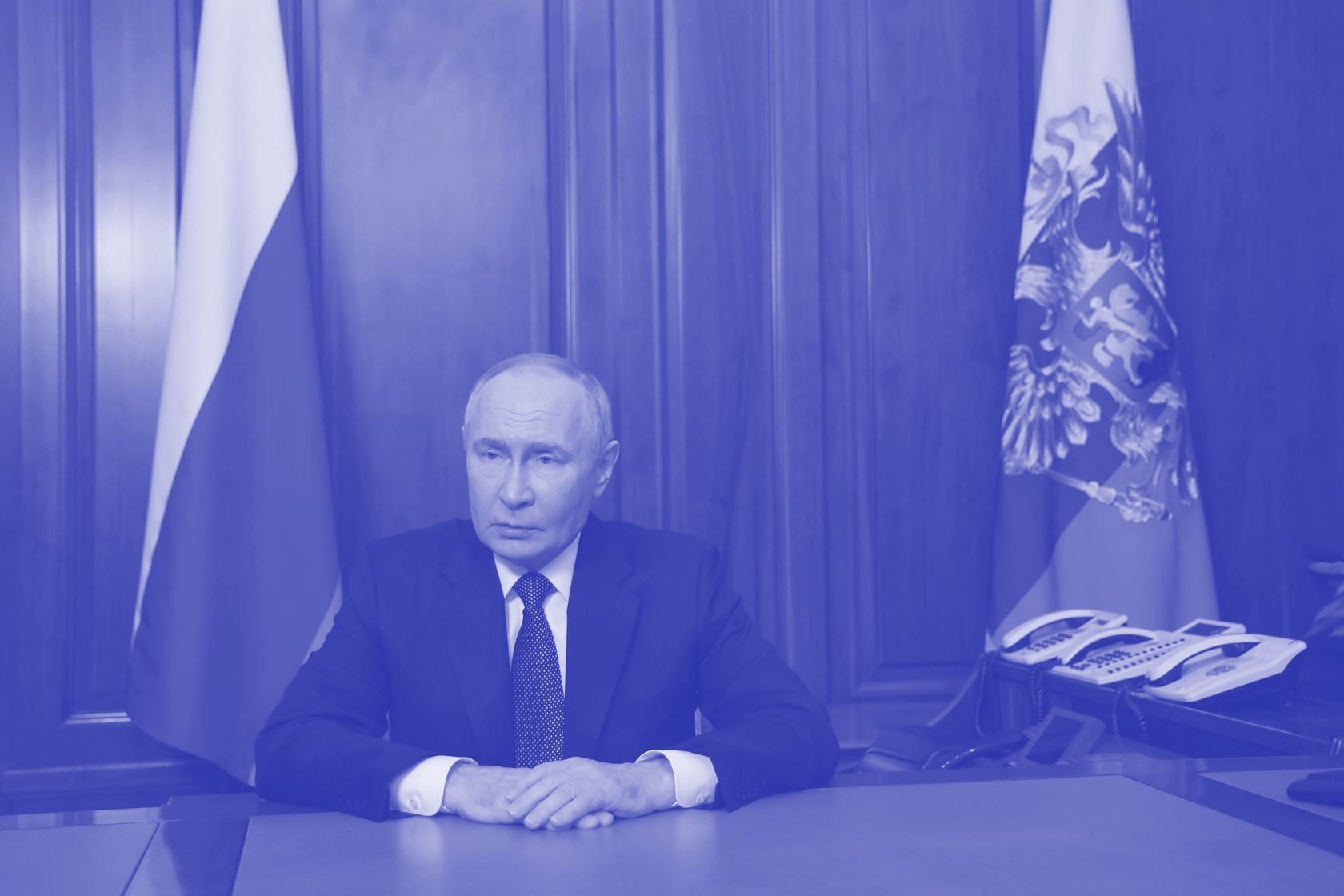
Missile debut: Russia launched a missile attack at Dnipro, Ukraine’s fourth-largest city, including what Ukraine’s air force claimed was an intercontinental ballistic missile (ICBM). The strike injured two people and damaged an industrial facility, according to regional authorities. However, President Vladimir Putin disputed the classification, with Putin saying Russia tested a new hypersonic medium-range ballistic missile called the Oreshnik. If confirmed as an ICBM, it would mark the first use of such a nuclear-capable weapon in warfare, but US officials said initial analysis indicated it was an intermediate-range missile, media reported. The attack followed Ukraine’s use of British Storm Shadow and US ATACMS missiles earlier this week in strikes on Russian targets, despite Moscow warning such actions would escalate the conflict. Ukraine’s President Zelenskyy called the Russian missile “a new” escalation requiring further investigation. Putin warned that Moscow was "ready for any development of events." (Capital Brief)(Reuters)(FT)(NYT)(AP)
2.
Netanyahu wanted: The ICC, the world’s top war-crimes court, issued arrest warrants for Israeli Prime Minister Benjamin Netanyahu, former Defence Minister Yoav Gallant, and Hamas military chief Muhammad Deif, whom Israel claims to have killed. Netanyahu and Gallant are accused of war crimes and crimes against humanity, including starvation as a weapon and intentionally targeting civilians in Gaza, which the ICC described as part of a "widespread and systematic attack" on Gaza's population. Deif faces similar charges, though the ICC said it could not confirm his death and withdrew warrants for Hamas leaders Ismail Haniyeh and Yahya Sinwar, who were confirmed dead. The warrants follow Israel’s invasion of Gaza, marked by widespread destruction, in response to Hamas’s 7 October 2023 attack, which killed 1,200 Israelis. The ICC cited Israeli aid restrictions as unjustified under international law, contributing to Gaza's humanitarian crisis. The warrants expose Netanyahu and Gallant to arrest at the ICC’s 124 member states. Israel called the accusations "absurd and false," while the US, not an ICC signatory, questioned the court’s jurisdiction. (Capital Brief)(ICC statement on Netanyahu and Gallant)(ICC statement on Deif)(AP)(NYT)(WSJ)
3.
Gaetz withdraws: Matt Gaetz has withdrawn as President-elect Trump’s pick for US Attorney General, calling his confirmation process an “unfair distraction” to the Trump/Vance transition. The decision follows scrutiny over past allegations, including a House Ethics Committee investigation into serious misconduct and a DOJ probe into alleged sex trafficking, which ended last year without charges. Vice President-elect JD Vance had urged Senate Republicans to back Gaetz. Separately, a police report released Wednesday night US time included denials from Trump’s Defence Secretary nominee, Pete Hegseth, regarding allegations of coercion at a conference in 2017. GOP senators have rallied around him, emphasizing the lack of charges. Meanwhile, Donald Trump urged Republicans to block the bipartisan PRESS Act, which protects journalists' sources. (NYT)(AP)(Bloomberg)
4.
Payments window: RBA governor Michele Bullock offered a rare and direct take on the central bank’s preference for collaboration over regulation in Australia’s fast-evolving payments industry. “We don’t want to regulate, we’d rather just develop a consensus and move the industry forward together,” said Bullock, who also chairs the Payments System Board. She credited cooperation for progress in payments reform, adding, “Mostly the way we have achieved payments reform in Australia is by cooperation.” Bullock highlighted Australia’s leadership in areas like interchange regulation, achieved despite opposition from Visa and MasterCard, and urged vigilance on global innovations, naming stablecoins and interlinking fast payment systems as key areas to watch. "There’s certain things that are going on … we need to be prepared to be a fast follower," she said. Reflecting on the unpredictable nature of payment evolution, Bullock suggested physical cards could disappear even before cash. The RBA’s priority, she said, remains fostering competition and innovation without stifling progress. (Capital Brief)
5.
Like banks: Meanwhile, in the US, Big Tech’s digital wallets will now be under the oversight of the US Consumer Financial Protection Bureau (CFPB) after it finalised a rule targeting payment platforms like Google Pay, Apple Wallet, and Venmo. Together processing over 13 billion annual transactions, these firms will face bank-like scrutiny aimed at protecting consumer data, preventing fraud, and addressing illegal account closures. The final rule raises the supervision threshold from 5 million to 50 million annual transactions and narrows the scope to US dollar payments, excluding digital assets. While some in the banking sector welcomed the regulation, Big Tech and fintech firms warned it could stifle innovation. The rule will take effect 30 days after being published in the Federal Register, though its future could be shaped by President-elect Donald Trump’s upcoming regulatory shifts (Reuters)(CFPB statement)
6.
Bitcoin’s path: Bitcoin surged to a new record above USD98,000 driven by optimism around President-elect Donald Trump's pro-crypto stance and hopes for friendlier US regulations. Its value has doubled this year, rising 40% since Trump’s election victory, while Bitcoin exchange-traded funds (ETFs) attracted USD5.8 billion in net inflows since Election Day. Trump’s plans include a White House crypto policy role and a potential national Bitcoin stockpile. The surge on Thursday trading US time also came as SEC Chair Gary Gensler, driver of a clampdown crypto during Joe Biden’s administration, said he planned to step down on 20 Jan, the day Trump is scheduled to be inaugurated. Meanwhile, shares in MicroStrategy, the largest publicly traded corporate holder of Bitcoin, fell after Citron Research revealed a short bet against the company. (Reuters)(Bloomberg)
7.
Google breakup: The US Department of Justice has asked a federal judge to compel Google to sell its Chrome browser and potentially its Android operating system, following a ruling that it illegally maintained a search monopoly. Chrome and Android, the dominant web browser and mobile OS, underpin Google’s ecosystem and advertising clout. Filed late Wednesday, the DOJ’s bold remedy proposal represents the toughest antitrust move since the failed Microsoft breakup two decades ago, aiming to dismantle the feedback loop reinforcing Google’s control over user data, distribution channels and search revenue. The proposals include ending Google’s exclusive multibillion-dollar deals with Apple and others, mandating data-sharing with rivals and restricting content use for AI training. The DOJ also seeks to force Chrome’s sale within six months and potentially Android’s divestiture if remedies fail or are violated. Google criticised the measures as extreme and harmful. A two-week hearing on remedies is scheduled for April, with a decision expected by August. (Capital Brief) DOJ’s executive summary of remedies)(Google’s blog responding)(The Financial Times)(NYT)
8.
Labour lift: The number of Americans seeking unemployment benefits dropped to a seven-month low last week, hinting at a potential recovery in job growth this month following October’s slowdown caused by hurricanes and strikes. Jobless claims unexpectedly fell to a seasonally adjusted 213,000 for the week ending 16 November, the lowest level since April, according to the Labor Department. The decline of 6,000, meant initial claims were lower than the 220,000 forecast by a group of economists polled by Bloomberg. However, continuing claims, reflecting those still receiving benefits after an initial filing, rose by 36,000 to 1.91 million, the highest level in three years. This was partly attributed to the lingering effects of Boeing’s recent strike and hurricane disruptions. The data, alongside the employment report for November – due 6 December – could shape the Federal Reserve’s decision on a potential December rate cut. (Capital Brief)(DOL release)

