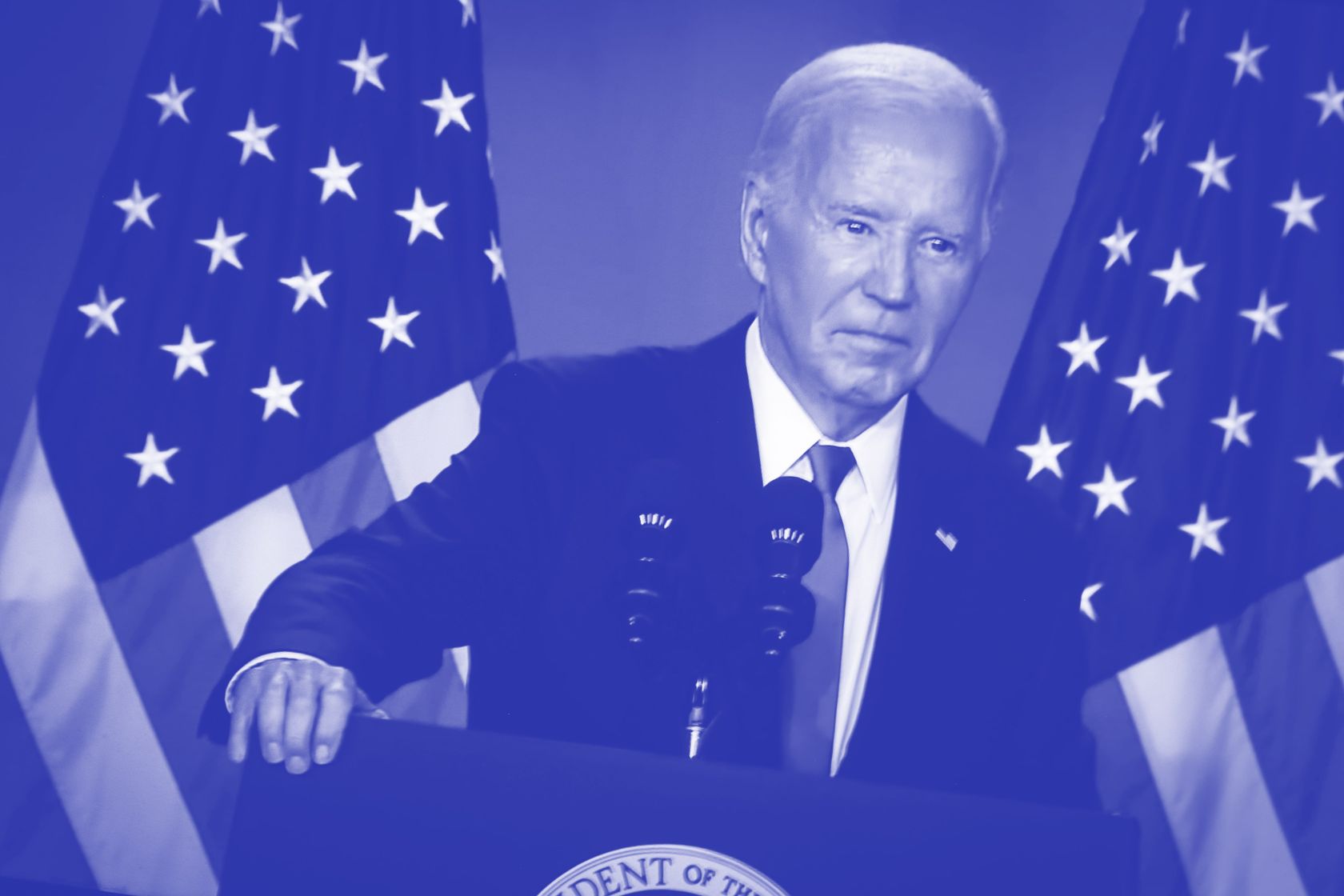
Back when The West Wing was a popular show on television and Australia was debating whether to become a republic, political junkies with a fondness for America could have been forgiven for thinking Washington's system of government was superior to Canberra’s.
The homegrown head of state, separation of the executive and legislature — which theoretically meant a cabinet led by experts, not political hacks — and relatively high levels of bipartisanship all seemed like admirable qualities. At least on paper.
Those days are long gone. A series of shocks to the system (9/11, the global financial crisis, the Covid pandemic) have badly fractured the world’s pre-eminent democracy. Most Australians — from the politically connected to the casual observer — now look on at events in the US with emotions ranging from bemusement to horror. Stifled by severe partisanship, and locked into a patchwork voting system with a bizarrely interventionist judiciary, there isn’t much to admire about politics in the world’s largest economy anymore.
Australia’s system is also deeply flawed. But ironically, one of the least admired aspects of our own political culture — the behind closed doors leadership challenges that brought down a succession of prime ministers over the past two decades — could be quite useful for US Democrats at the moment.