SEC summons billionaire Adani over alleged bribes
Plus: Goldman Sachs takes $1.4b hit on battery bet; Amazon doubles Anthropic bet to $12b; Trump finalises loyalist cabinet with Rollins, Bessent picks.
Good morning. Here's what happened overnight and what you need to know today.
Get Standup in your inbox Signed up to Standup
1.
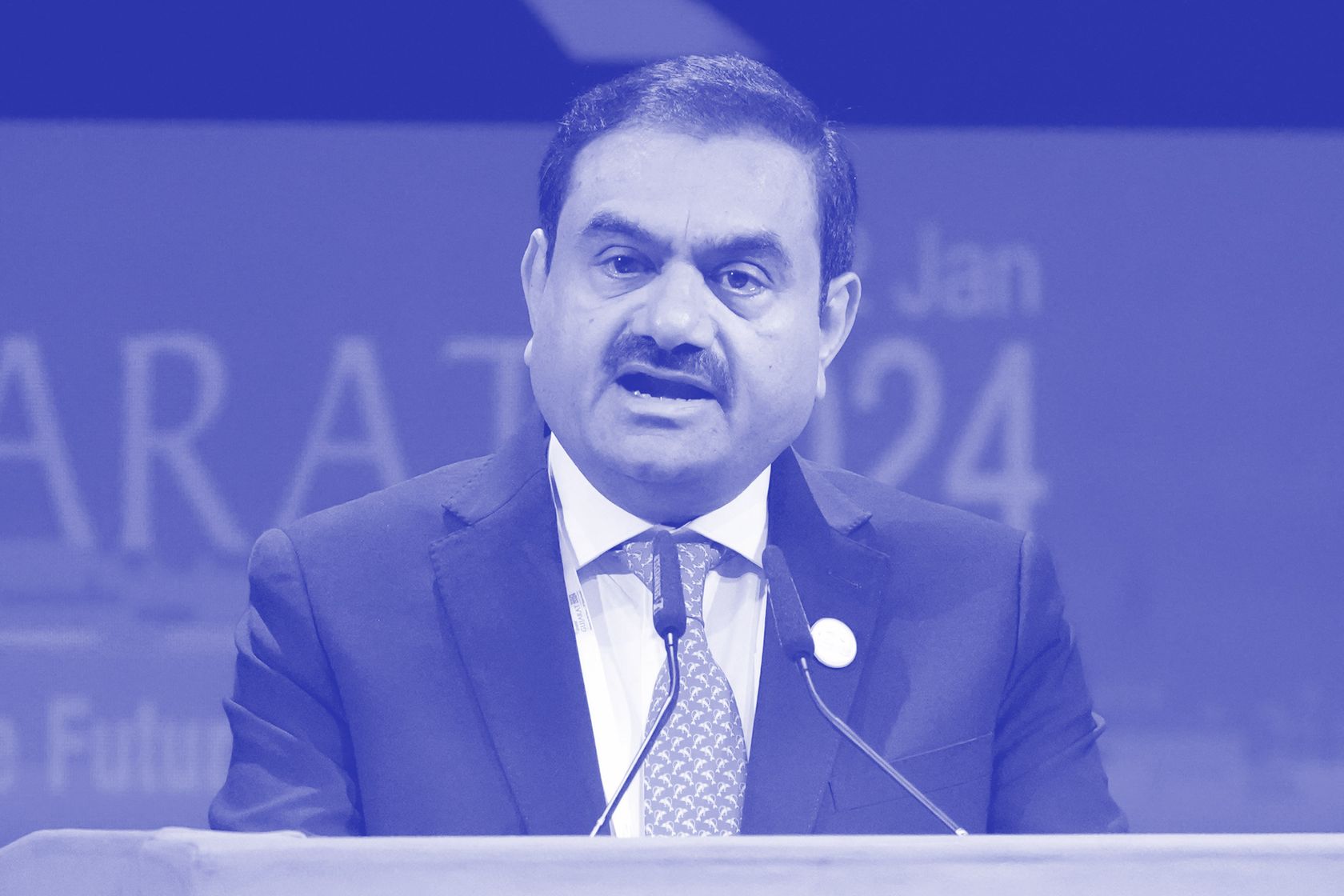
Adani drama: The US SEC summoned Gautam Adani and his nephew, Sagar Adani, requiring responses within 21 days, to address allegations of bribery and misleading US investors, according to media reports. The summons follows a criminal indictment unsealed on 20 November by US prosecutors, accusing them of participating in schemes to pay over USD250 million in bribes to Indian officials to secure solar-power contracts, with the SEC separately alleging they misled US investors about compliance in a USD750 million bond offering by Adani Green Energy. Adani has denied the criminal charges as “baseless”. CFO Jugeshinder Singh said the allegations relate to one contract, representing 10% of Adani Green’s business, and that no other group firms were implicated. Adani Group shares have plunged, banks are reconsidering their credit lines to the group and Kenya cancelled USD2.5 billion in contracts. Indian opposition leaders are linking the case to alleged ties between Adani and Prime Minister Narendra Modi. (Bloomberg)(Reuters)
2.
Goldman burn: Goldman Sachs' private equity funds will write off at least USD896 million ($1.38 billion) following the bankruptcy of Swedish battery maker Northvolt, which filed for Chapter 11 last week, the FT reported. Goldman’s largest exposures are through West Street Capital Partners VII (USD407 million) and VIII (USD346 million), the paper said. Its Horizon Environment and Climate Solutions 1, Goldman’s inaugural direct private markets strategy for environmental investments, contributed USD116 million, while the StoneBridge 2020 fund added USD27 million. Northvolt, previously hailed as Europe’s answer to Asian dominance in battery-making, raised USD15 billion from investors, including Volkswagen – its largest shareholder with a 21% equity stake – faced production issues and overexpanded into Germany and Canada. Despite months of rescue efforts led by Goldman with customers and creditors, no solution was found and the company collapsed with just USD30 million in cash and USD5.8 billion in debt. CEO Peter Carlsson resigned a day after the filing. (FT)

3.
AI battle: Amazon committed an additional USD4 billion ($6.15 billion) to San Francisco-based generative AI start-up Anthropic, doubling its total investment to USD8 billion since September 2023. Anthropic's Claude chatbot competes with OpenAI’s ChatGPT and Google’s Gemini, among others. Announced on Friday, the funding will be delivered via convertible notes, starting with USD1.3 billion, and requires that Anthropic - which also uses Alphabet’s Google Cloud services - rely more on Amazon Web Services (AWS) for some of its computing needs, as well as on AWS-designed AI chips. (Reuters)(Bloomberg)(NYT)
4.
Loyal team: US President-elect Donald Trump nominated Brooke Rollins as Secretary of Agriculture, adding to a slate of loyalist nominees and completing his cabinet appointments. Rollins, a Texas native with a degree in agricultural development from Texas A&M University, served as Domestic Policy Council director in Trump’s first term and now leads the America First Policy Institute, a pro-Trump right-wing think tank. If confirmed, Rollins will oversee programs like food stamps and school lunches, manage the US Department of Agriculture’s USD430 billion annual budget and play a key role in addressing stalled farm bill negotiations. Her nomination, described as a "surprise" given her limited experience in agricultural policy, comes amid concerns over Trump’s proposed tariffs, which could affect farm exports. Rollins’ appointment follows the selection of Scott Bessent as Treasury Secretary, a decision preceded by weeks of internal jockeying and intense competition. (Politico)(WSJ)
5.
Crypto leverage: Howard Lutnick, Cantor Fitzgerald’s CEO, chairman, and President-elect Donald Trump’s commerce secretary nominee, is strengthening the firm’s relationship with Tether Holdings, the issuer of the USDT, the world’s largest stablecoin, according to media reports. Cantor is negotiating a USD2 billion ($3.07 billion) Bitcoin-backed lending program with Tether’s support, aiming to expand it into tens of billions, Bloomberg reported. Tether currently uses Cantor for US Treasury custody, earning Cantor tens of millions annually, and Cantor has also acquired a 5% Tether stake valued at USD600 million, according to The Wall Street Journal. Trump’s election has coincided with a USD10 billion surge in new tether tokens. Tether has faced US regulatory scrutiny over alleged anti-money laundering violations, which it denies. Lutnick plans to step down from his role at Cantor and divest his holdings upon senate confirmation. (Bloomberg)(WSJ)
6.
Future bill: Treasurer Jim Chalmers will today introduce a bill to enact $13.7 billion in tax credits for critical minerals and hydrogen projects, requiring production by 2040. It offers a 10% tax credit for critical minerals processing and a $2 per kilogram hydrogen production incentive for projects starting between 2027-28 and 2039-40. The legislation will be tabled in the last parliamentary sitting week of the year, packed with votes shaping the election race. The Coalition has opposed the policy, calling it “billions for billionaires,” while Chalmers said the incentives will drive investment, jobs and progress toward net zero. (Capital Brief)
7.
Green cash: The COP29 summit in Baku concluded with a USD300 billion ($461.33 billion) annual climate finance target by 2035 to assist developing nations. The agreement, replacing the USD100 billion annual target set in 2009, drew heavy criticism from several quarters as it fell well short of the USD1.3 trillion in annual funds developing countries were seeking, and which experts say are needed to address climate change. Talks extended past a Friday deadline to reach an agreement in the early hours of Sunday, local time. UN climate chief Simon Stiell called the agreement an "insurance policy,” while Indian delegation representative Chandni Raina labelled it "an optical illusion" that would not address the scale of the climate crisis. African negotiators deemed it "too little, too late," and US President Joe Biden welcomed it as progress but acknowledged more work is needed. (Capital Brief)
8.
Degrees of cooperation: Nvidia CEO Jensen Huang said global technology collaboration would persist even if stricter US export controls on advanced computing products are implemented under the incoming Trump administration. Speaking after receiving an honorary doctorate from the Hong Kong University of Science and Technology, Huang said open scientific cooperation has long driven societal and technological progress. "Open science in global collaboration, cooperation across math and science has been around for a very long time. It is the foundation of social advancement and scientific advancement," Huang said. Cooperation is "going to continue. I don't know what's going to happen in the new administration, but whatever happens, we'll balance simultaneously compliance with laws and policies, continue to advance our technology and support and serve customers all over the world." He described the current period as "the age of AI" calling the era a reset and urging graduates to embrace opportunities in an industry being reinvented. (Reuters)