States scrap transport fares as national cabinet weighs fuel rationing
Plus: Iran threatens to torch US troops; France foils suspected Iranian-linked bomb plot outside BofA Paris offices; DOJ subpoenas Paramount’s USD110b Warner deal: Reuters.


Good morning. Here’s what happened overnight and what you need to know today.

1.
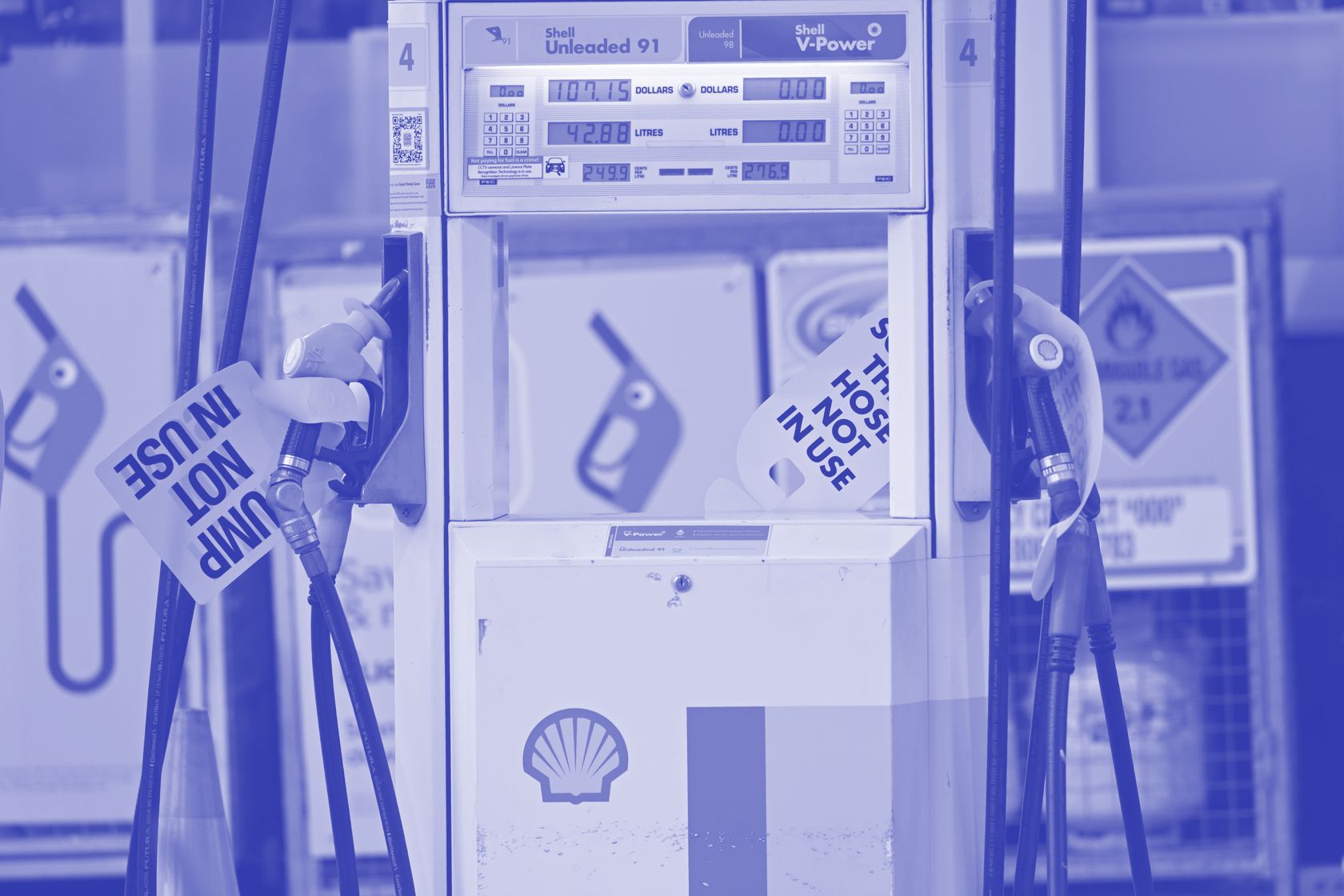
Fare enough: With panic buying emptying hundreds of petrol stations across Australia, Victoria and Tasmania have scrapped public transport fares and the federal government is rushing emergency laws into parliament as the Iran war drives a worsening fuel crisis. Meanwhile, Australia’s national cabinet is expected to meet virtually this morning to sign off on voluntary fuel conservation measures, including working from home, carpooling and increased public transport use, while weighing more drastic steps such as purchase limits and rationing should the conflict drag on, the AFR reported. Victoria Premier Jacinta Allan announced on Saturday that trains, trams and buses would be free from 31 March throughout April. Tasmania said commuters could travel on coaches, buses and ferries without charge from today to 1 July, including school buses, saving regular users $20 a week. The federal government also announced Saturday it would underwrite private sector fuel purchases from international markets, with emergency legislation to be introduced today. NSW declined to follow, with Transport Minister John Graham saying free public transport would cost millions of dollars every day and the state needed to keep its “powder dry” for a crisis expected to last beyond a month. Fair Trading NSW reported 66 stations had run out of all fuel types and 371 of at least one. (SMH)(Bloomberg)(BBC)
2.
Iran war: Iran threatened to set “on fire” the 3,500 US troops now arriving in the region, and the Pentagon is reportedly preparing plans for weeks of ground operations in Iran that Trump has yet to approve, The Washington Post reported. The month-old conflict is showing signs of dangerous escalation as diplomatic efforts to end it remained deadlocked on Sunday. Pakistan’s Foreign Minister Ishaq Dar said Islamabad would host US-Iran talks “in coming days” after hosting foreign ministers from Saudi Arabia, Turkey and Egypt, with initial discussions focused on reopening the Strait of Hormuz. Tehran has already rejected a 15-point US ceasefire proposal, and Trump extended his deadline for Iran to reopen the waterway until 6 April. On the battlefield, Yemen’s Houthis launched their first missile attacks on Israel since the conflict began over the weekend (they were intercepted). Israel launched over 140 air strikes on Iran in the 24 hours to Sunday evening, and Prime Minister Benjamin Netanyahu ordered further expansion of Israel’s buffer zone in southern Lebanon, Bloomberg reported. Separately, Israeli police blocked Cardinal Pierbattista Pizzaballa from celebrating Palm Sunday Mass at the Church of the Holy Sepulchre, drawing condemnation from France, Italy and US Ambassador Mike Huckabee. Meanwhile, millions rallied across the US in a third round of “No Kings” anti-Trump protests at more than 3,200 events as consumer sentiment fell to a three-month low of 53.3. (NYT)(Reuters)(SMH)(ABC)
3.
BofA bomb: French police foiled a suspected Iranian-linked bomb attack on Bank of America’s Paris offices, arresting three people including a minor who was recruited over Snapchat and paid EUR600 to plant an explosive device outside the bank, Le Parisien reported. A patrol assigned to protecting sensitive sites spotted two individuals placing and attempting to ignite an improvised explosive device outside the bank’s offices a couple of streets from the Champs-Élysées, between 3am and 4am on Saturday, France’s interior minister Laurent Nuñez said. One suspect was detained at the scene while the second fled. Two further individuals were taken into police custody on Sunday, the anti-terrorism prosecutor’s office said in a statement. The device, which Nuñez described as rudimentary but potentially lethal, contained liquid believed to be hydrocarbons and a crude ignition system. The suspects appeared to be common-law offenders acting as paid intermediaries. He described the incident as part of a pattern of similar attacks across Europe, including explosions at a Jewish school in Amsterdam, a synagogue in Rotterdam, and a blast outside the US Embassy in Oslo, where three brothers and their mother were arrested earlier this month. Nuñez said there was “a significant suspicion” of Iranian involvement through proxies, but that the investigation was yet to reach a conclusion. (Reuters)(Bloomberg)(BBC)
4.
Probing picture: The US Department of Justice has issued subpoenas in its investigation of Paramount Skydance’s USD110 billion acquisition of Warner Bros Discovery, Reuters reported citing unnamed sources. It is the latest twist in the high-stakes deal that the antitrust boss acting assistant attorney general Omeed Assefi last week said will “absolutely not” have a fast track to approval. Reuters said the DOJ is seeking information on how the deal would affect studio output, content rights, streaming competition and movie theatres. Paramount chief legal officer Makan Delrahim said at an antitrust conference in Washington last Wednesday the company had been expecting authorities in many places to review the deal. The European Commission is actively engaging with third parties, Canada has reached out to at least one company, and California’s attorney general is also probing the transaction. Paramount has promised Warner Bros shareholders a 25-cent-per-share quarterly fee from October if the deal remains unclosed, and projects USD6 billion ($8.7 billion) in cost synergies. (Reuters)
5.
Digital deadlock: A moratorium shielding digital trade from customs duties for nearly three decades is at risk of collapse, as WTO ministers deadlock over its extension in what diplomats say is a defining test of the trade body’s relevance. After a year of tariff-fuelled trade turmoil and major disruptions due to the Iran war, ministers meeting in Yaounde, Cameroon are stuck on extending the moratorium beyond two years, with the US and Brazil’s positions remaining far apart, Reuters reported citing three unnamed diplomats. The moratorium, first adopted in 1998 to encourage early digital trade growth and most recently extended for two years in 2024, is set to expire this month. The US wants a permanent extension to give major tech companies including Amazon, Microsoft and Apple a stable regulatory environment, while Brazil favours a two-year renewal. India signalled it would accept two years, and there were suggestions the US could accept 10 years, but US Trade Representative Jamieson Greer has said Washington wants a permanent extension. “If the moratorium does not get extended, the US will use it as an excuse to beat the WTO on the head,” an unnamed senior diplomat told Reuters. (Reuters)(CNBC)
6.
Striking timing: A series of strikingly well-timed trades worth potentially millions of dollars ahead of Donald Trump’s biggest policy announcements has legal experts calling for investigations into whether nonpublic government information is being leaked for profit. A Reuters review of trading ahead of major Trump administration decisions on tariffs, Venezuela and Iran found at least four instances where legal experts said it appeared investors knew what was coming shortly before it happened. The trades spanned options, commodities futures and prediction markets. Bloomberg separately reported a Columbia Law School and University of Haifa study identified patterns consistent with insider trading on Polymarket generating around USD143 million in profits over two years. One cluster of linked wallets turned USD1.6 million on bets tied to Trump’s Iran and Venezuela decisions, all funnelling proceeds to a single Coinbase address. White House spokesman Kush Desai said in a statement any implication administration officials were engaged in such activity without evidence was “baseless and irresponsible.” The CFTC said it monitors trades that raise red flags but did not confirm any investigation. (Bloomberg)(Reuters)
7.
Vital signs: A week ago, 4DMedical CEO Andreas Fouras wasn’t thinking about raising fresh capital. But that’s exactly what happened on Friday, when the high-flying medtech banked $83 million via a private placement. “I can absolutely tell you at the start of the week, it wasn’t on the cards,” Fouras told Capital Brief. “Honestly, the investors came to us and to [lead manager and bookrunner] Bell Potter in the last few days. There really has been no groundwork, no work to do this.” 4DMedical’s stock has been on a run for the ages, up more than 2,000% on the ASX in less than a year, but not everyone is convinced it can continue. Fouras said that “just a handful ” of investors had paid a 12.3% premium to the five-day volume-weighted average price. Friday also brought EU regulatory clearance for its flagship lung imaging software CT:VQ following US FDA clearance last year. Shares jumped 18% on the news before erasing all gains and ending the day flat. The raise came just days after a 90-day Mayo Clinic contract the company called not financially material drove a 35% share price surge, adding close to $1 billion in market cap (it now sits above $3.6 billion). Pitt Street Research analyst Charlie Youlden says that at roughly 607 times FY25 revenue of $5.8 million, the valuation would require $235 to $350 million in annual revenue to normalise, warning a contract disappointment could trigger a 40 to 50% drawdown. (Capital Brief)
8.
Super muscle: AustralianSuper’s knockdown of the Challenger and KKR bid to take Pepper Money private last week is just the latest in a growing list of situations where big super has flexed its muscles in M&A. Dealmakers are now warning that anyone who wants to succeed with a takeover on the ASX will need to get creative, and potentially cut them into their deals. Superannuation funds collectively manage more than the market value of the entire ASX, and now likely hold the key to getting public M&A done, weighing not just price but long-term exposure and portfolio diversity. King & Wood Mallesons M&A partner Daniel Natale told Capital Brief bidders must ask themselves: “Could you cut them in? If the answer is you can’t cut them in, can you get to a value that they would support, acknowledging the fact that their value might be quite different to other investors’ values, because they are trading off the long-term against the short-term.” (Capital Brief)
