In the wake of last year's hacks into Optus and Medibank, Home Affairs Minister Clare O'Neil declared the Albanese government would launch a "major program of work" to make Australia the world's most cyber secure country in the world by 2030.
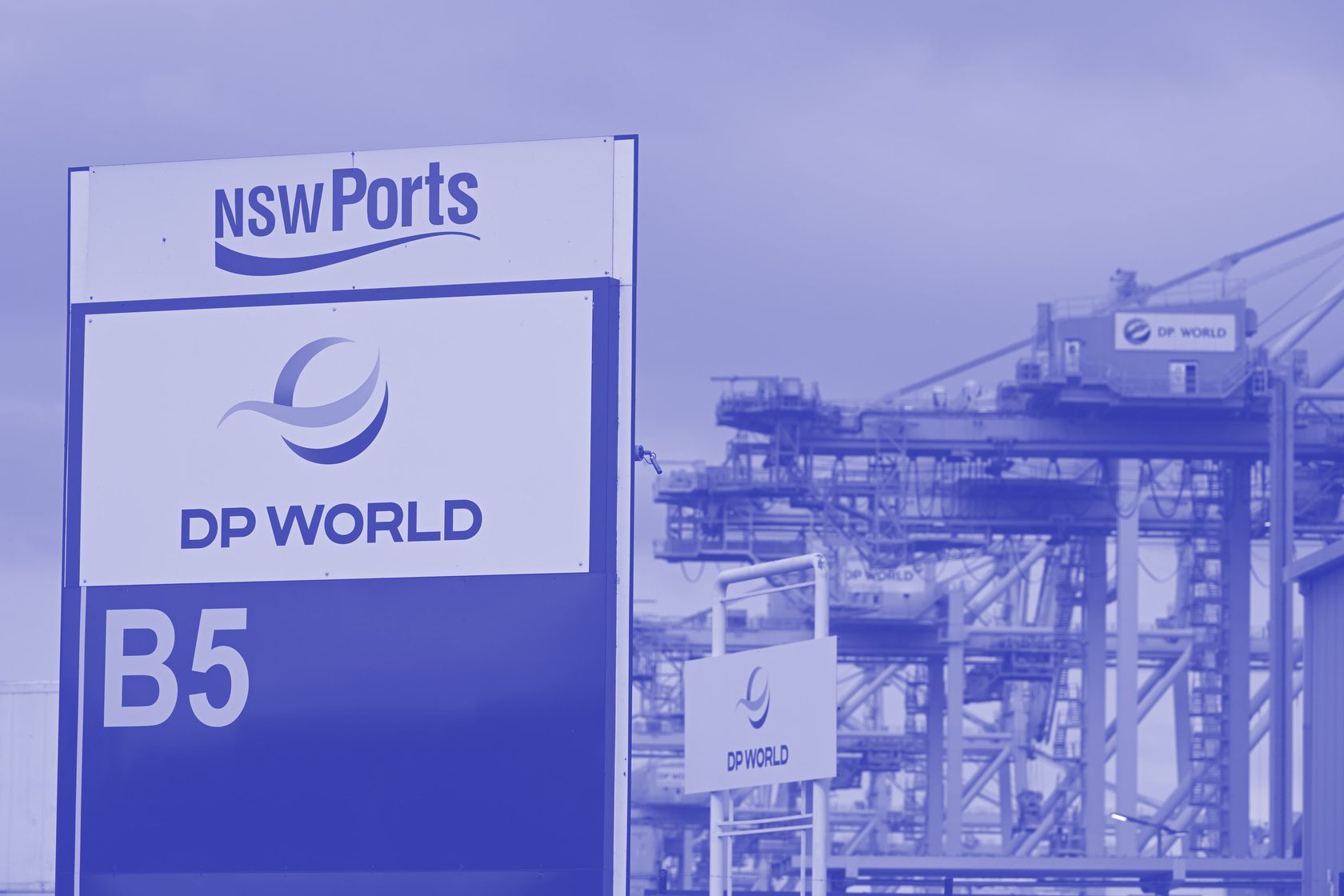
That deadline is still some distance away, but the latest attack on ports operator DP World is a test of how much progress the government has made in bolstering our cyber defences.
After 2022 saw major breaches into HWL Ebsworth, Optus and Medibank, 2023 has been relatively quiet for Australian hacks. DP World's ongoing incident is a much-needed wakeup call, according to Kurt Hansen, CEO of cybersecurity firm Tesserent: "We had a little bit of a lull over the past couple of months, but I think this is a very good reminder that the war goes on."
On Monday afternoon, O'Neil said operations had resumed at the company's ports across Australia, but an investigation and response to the incident were ongoing. Nothing has been said publicly yet about who may have perpetrated the attack, or whether it involves ransomware. The stranded cargo could include consumer goods, like clothing and electronics, but also food and medical supplies like blood plasma.