Texas sues BlackRock, Vanguard over alleged coal 'cartel'
Plus: US economy resilient as Fed inflation gauge rises; Weak Dell, HP outlooks slam tech stocks; Israel-Hezbollah ceasefire brings families back to bombed villages.


Good morning. Here's what happened overnight and what you need to know today.
1.
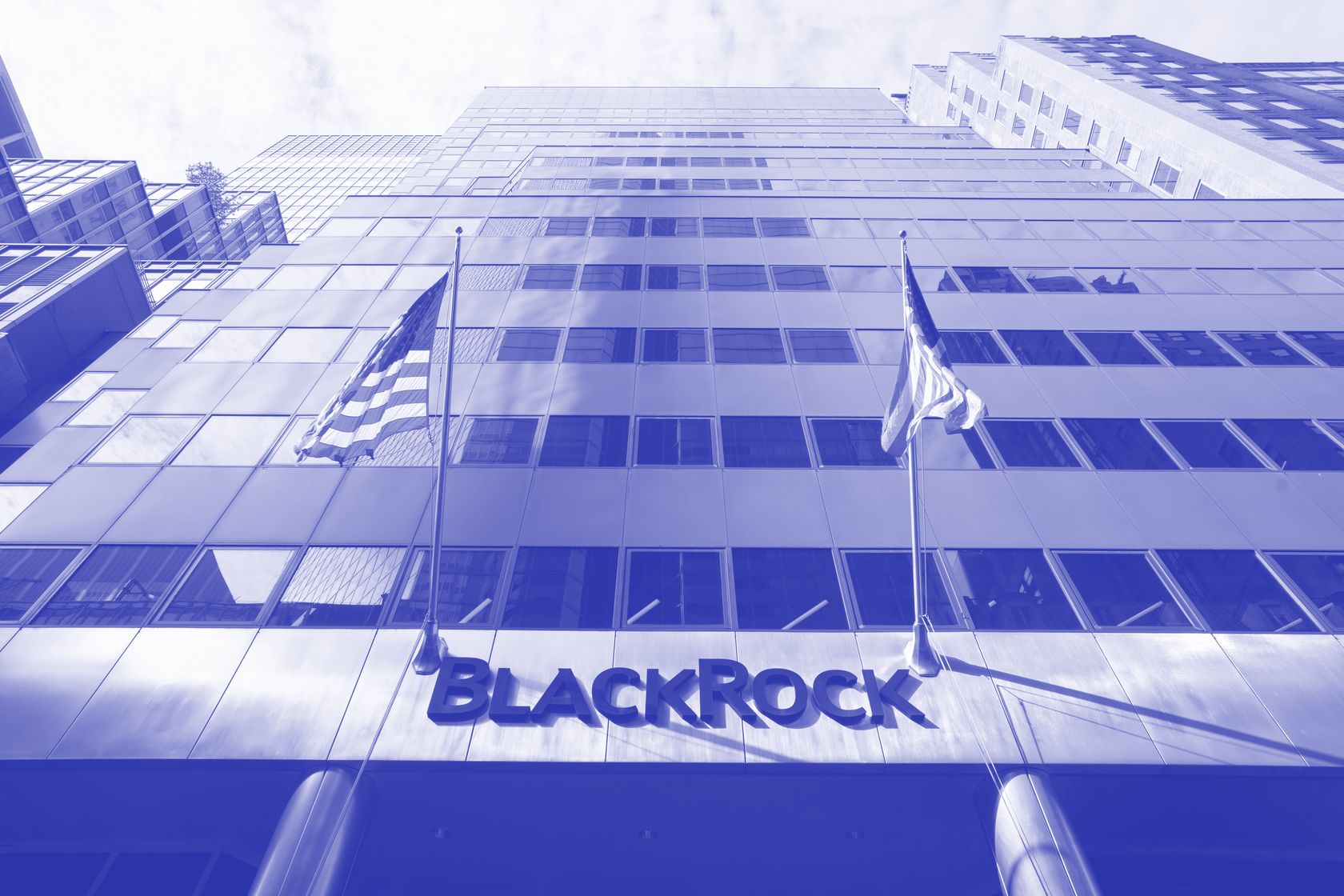
Coal fight: BlackRock, Vanguard and State Street were sued by Texas and ten other Republican-led states, alleging the firms violated antitrust laws by pressuring coal producers to cut output through coordinated climate policies, resulting in higher energy prices. Filed in federal court in Texas on Wednesday, the suit claims the asset managers used their shareholdings and memberships in climate groups like Climate Action 100+ and the Net Zero Asset Managers Initiative to push coal companies to cut output. It describes their actions as reducing competition and creating “cartel-level profits,” citing alleged violations of the Clayton Antitrust Act. Bloomberg noted Vanguard exited the Net Zero Asset Managers Initiative in 2022, while BlackRock and State Street remain members of the group, which is part of the Glasgow Financial Alliance for Net Zero. (Capital Brief)(Reuters)(Bloomberg)
2.
Consumer power: The US economy grew at a 2.8% annualised pace in the third quarter, driven by strong consumer spending and business investment, while the Fed’s preferred inflation measure, the PCE index, rose 2.3% year-on-year in October. That was up from 2.1% in September, with core personal consumption expenditures inflation climbing to 2.8% from 2.7%. Both figures were in line with expectations. Consumer spending rose 3.5% in Q3, the strongest performance this year, though revised down slightly from 3.7% in the Bureau of Economic Analysis advance estimate released last month. Meanwhile, durable goods orders edged up 0.2% in October, marking their first gain since April. The data highlights the resilience of the US economy despite high interest rates but comes amid concerns over widely expected inflationary pressures tied to President-elect Donald Trump’s proposed tariffs. Meanwhile, jobless claims fell below consensus estimates, but continuing applications rose to highest since 2021. (Capital Brief) (BEA)(Census Bureau)(BEA’s PCE)(DOL)(Reuters)(Bloomberg)
3.
Outlook drag: Tech stocks led the US stock markets lower after Dell and HP issued downbeat outlooks that sent their shares tumbling. Dell shares were 11.52% lower in late afternoon trading after it forecast Q4 revenue of USD24-USD25 billion ($37-$38 billion), below an USD25.57 billion estimate, citing weaker demand as customers delayed upgrading or replacing their PCs. HP – down 12.57% – projected Q1 earnings of 70-76 cents per share, below the expected 86 cents, as adoption of Microsoft’s new Windows software lagged expectations. Dell’s AI server business grew 34% to USD11.4 billion, but overall Q3 revenue of USD24.4 billion disappointed. A Bloomberg gauge of the Magnificent Seven megacaps slid 1.2%, with Nvidia leading losses. Crowdstrike shares fell after a weaker-than-expected outlook, and department-store chain Nordstrom shares plunged over 10% as it warned of a recent “noticeable decline” in sales trends. Broader markets also reacted to PCE inflation data showing a 2.3% annual rise, matching expectations but remaining above target. The Nasdaq was 0.99% lower and the S&P 500 was down 0.48%. (WSJ)(Reuters)(Bloomberg)
4.
Ceasefire holds: Thousands of displaced Lebanese began returning south as a US and France-brokered ceasefire between Israel and Hezbollah took effect on Wednesday. Traffic jammed roads out of Beirut as families carried belongings back to heavily bombed villages, even as Israel advised delaying resettlement in areas where its troops remain. Israeli soldiers fired at a vehicle in a prohibited zone in southern Lebanon, forcing it to turn back, the military said. The truce, described by President Biden as a “permanent cessation of hostilities,” follows over a year of conflict that killed close to 3,800 people in Lebanon and displaced over a million. Under the agreement, Israel will withdraw its forces within 60 days as the Lebanese Army assumes control of the south. While Biden expressed hope for similar progress in Gaza, where Israeli strikes and shelling continue as residents there head into a second straight winter of war. (NYT)(Reuters)
5.
Paris panic: French bonds and stocks fell sharply on Wednesday amid concerns that Prime Minister Michel Barnier’s government could collapse over his contentious €60 billion ($97.62 billion) budget plan involving spending cuts and tax hikes. The French 10-year bond yield premium over Germany climbed to 0.9 percentage points, its highest since 2012, before retreating slightly to 0.86. The Cac 40 index closed 0.7% lower, with insurers and banks hit hardest, including Axa (-4.3%) and Société Générale (-3.5%). Barnier plans to override parliament using a constitutional measure, risking a no-confidence vote, while far-right leader Marine Le Pen is threatening to bring down his government. France’s fiscal deficit, on track to exceed 6% of GDP, or more than double EU targets, has put the country at an “excessive deficit” monitoring process to cut deficits. Barnier warned of “very serious turbulence” in markets if the budget is rejected. (FT)(Reuters)
6.
Crypto ally: President-elect Donald Trump’s transition team has interviewed Paul Atkins, a former SEC commissioner, as a top candidate to succeed Gary Gensler as SEC Chair, Bloomberg reported citing unnamed sources. Atkins, a proponent of digital assets and fintech, is among those being considered alongside SEC Commissioner Mark Uyeda, former CFTC Chair Heath Tarbert and former SEC general counsel Robert Stebbins. Gensler, who led the SEC with an enforcement-focused approach to crypto regulation, will step down in January. Trump campaigned on a promise to end the outgoing administration’s “anti-crypto crusade,” and is expected to appoint a crypto-friendly regulator. (Bloomberg)
7.
Xi’s purge: China's Defence Minister Dong Jun is under investigation for corruption, the Financial Times reported citing US officials. Dong, appointed in December 2023, is the third consecutive defence minister to face such allegations after Li Shangfu and Wei Fenghe, the paper said. Both predecessors were expelled from the Communist Party for "serious violations of discipline." The Chinese foreign ministry dismissed the corruption claims as “shadow chasing.” Dong’s investigation is reportedly part of a broader anti-corruption campaign in the People’s Liberation Army under President Xi Jinping. Dong’s exclusion from the Central Military Commission earlier this year had already drawn scrutiny, with the paper noting US officials suggest the investigations into the PLA are undermining Xi's confidence in the military and raising questions about its ability to develop capability to invade Taiwan by 2027, a goal set by Xi. (FT)(SCP)
8.
Coffee buzz: Arabica coffee prices surged to their highest level since 1977 amid global supply concerns tied to weather and geopolitical factors. Futures rose over 3% to USD3.17 per pound in New York, and are up 70% this year, while robusta coffee has also soared 88% in London. Brazil, the largest arabica producer, faced record-breaking drought this year, raising concerns for the 2025/2026 crop, while Vietnam, the market leader for cheaper robusta beans, is also facing supply challenges from adverse weather. Rabobank analyst Carlos Mera pointed to shipping and logistical issues, the front loading of sales to the US ahead of potential trade tariffs under a Trump administration in the US, and EU deforestation regulations as contributing factors. Meanwhile, Nestlé and other coffee makers have been raising prices and reducing pack sizes to counter rising costs. (Capital Brief)(Bloomberg)(AFP)
