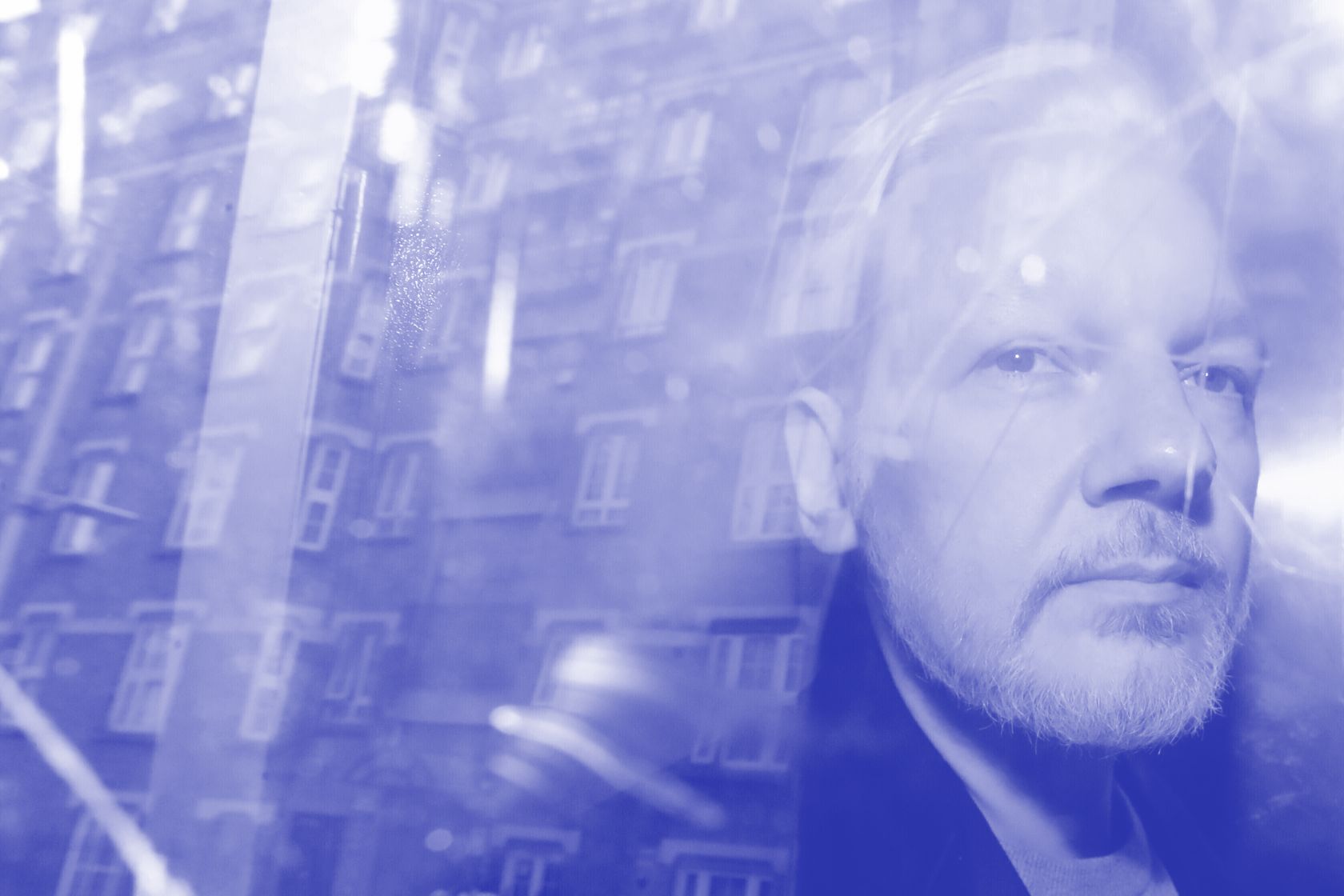
The world that Julian Assange walked into today after leaving a high security UK prison is very different to the one he farewelled back in 2019. (Or 2012, if you count his long stint in the Ecuadorian embassy in London.)
The man himself would probably dispute that point. He would argue the world is fundamentally unchanged in all the ways that matter from the one that existed when he co-founded WikiLeaks back in 2006 — ruled by warmongers and profiteers, and governed according to an impenetrable web of secrets, lies and propaganda.
But the texture of the world has certainly changed.
WikiLeaks began its radical transparency crusade at the tail end of the Bush era, supported by a coalition of left-wingers, libertarians and anti-war activists incensed by the Iraq War and the global financial crisis. The site’s disclosures, published unredacted to be sifted through by everyone from journalists to the most casual of observers, represented a significant jolt to an information ecosystem that was still finding its feet in the internet era — and was still very much under the gatekeeping purview of the mass media.
In the years since, the news media has struggled to retain audiences, maintain purpose and adapt to the distribution demands of Big Tech, while a new generation of influencers, citizen journos and commentators has emerged to capture eyeballs and shape the narrative.