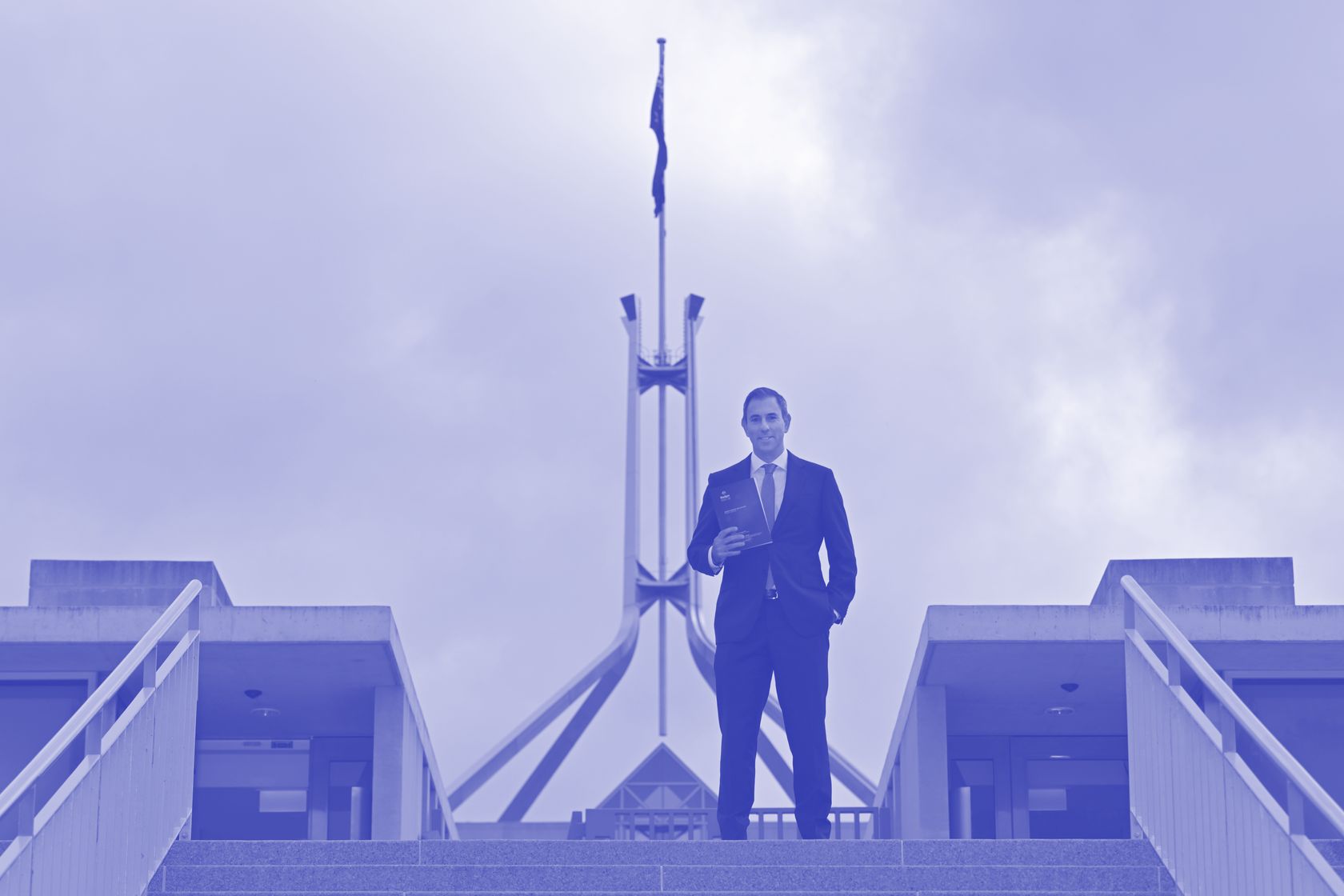
Last year’s budget went down like a lead balloon because Jim Chalmers was trying to talk about the future in the middle of a cost-of-living crisis. The circumstances may have changed, but this year the government isn't making the same mistake.
Tonight, Chalmers framed his fourth budget around two key measures which will feel a lot more pressing to voters than the $22.7 billion Future Made in Australia (FMIA) policy did at last year's event.
The first, which will likely dominate headlines and television bulletins, is tax cuts which will put an extra $268 in the pockets of just about every Australian from 1 July 2026 and $536 the following year, along with an increase to the Medicare levy low-income thresholds.
The second, which was foreshadowed in an interview Capital Brief conducted with Finance Minister Katy Gallagher earlier this week, is $3 billion to support domestic production of green aluminium and iron ore. Yes, it's an extension of the green industrial policy that arguably flopped last year, but Labor has Donald Trump and tariffs to thank for making its FMIA policy seem much more urgent and relevant.