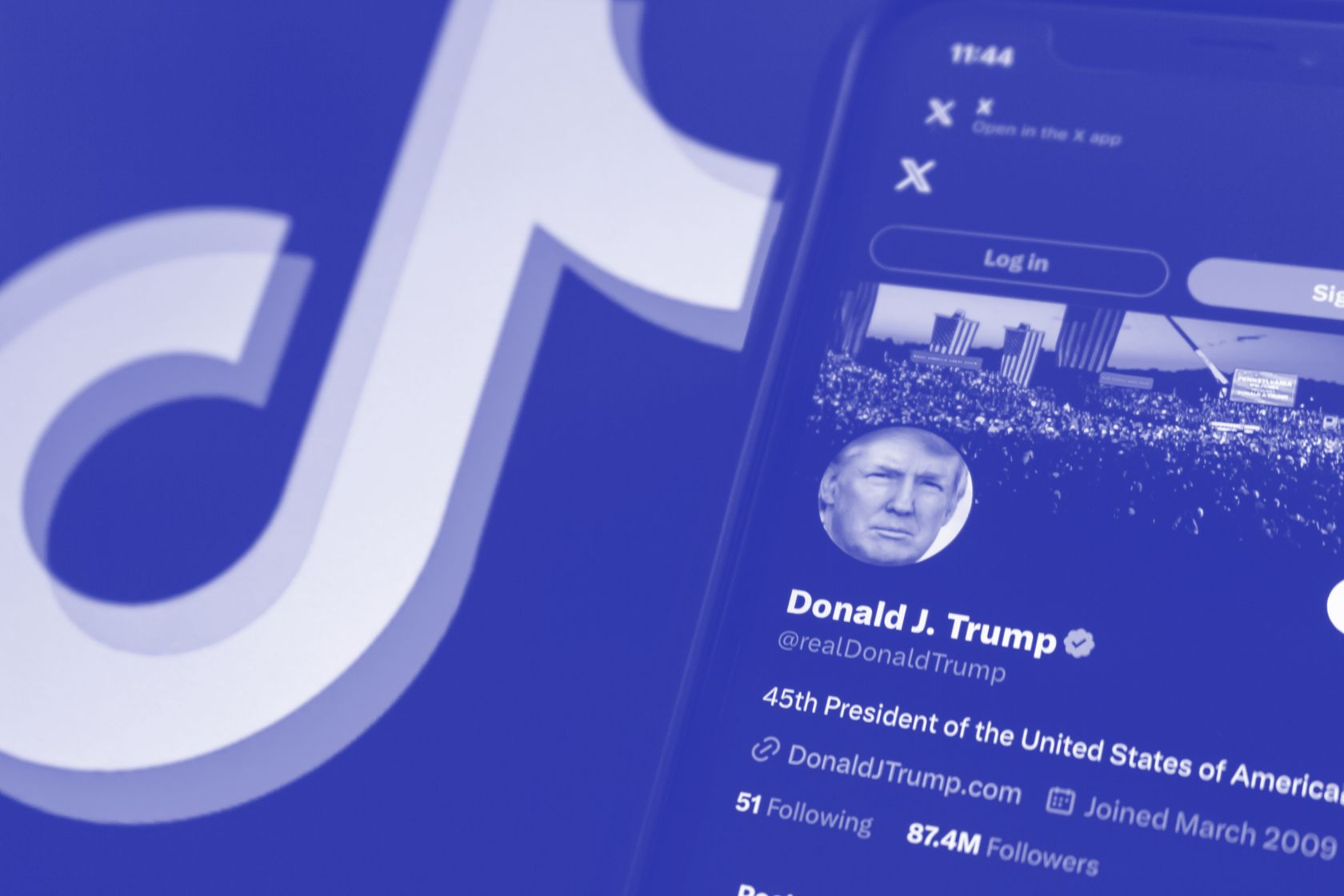
TikTok’s future has become a geopolitical flashpoint. And while the US takes centre stage, Australia has its eyes on what comes next.
Donald Trump made it clear at a press conference this week that his views had evolved on moves to ban the app. “I have a little bit of a warm spot in my heart, I'll be honest,” he said.
It’s a remarkable conversion for a man who, just four years ago, signed an executive order to effectively ban TikTok in the US unless Chinese owner ByteDance divested its American operations.
But the political environment has flipped on its head since the heady days of 2020, when the US was grappling with China’s rise as a tech juggernaut and the unfolding chaos of the Covid pandemic. TikTok was a triple threat for Trump: a national security headache, a possible vehicle for Chinese soft power, and a buzzing town square for an army of young Americans who were overwhelmingly unlikely to support him at the ballot box.