Tokyo tremors
Voters in Japan, which is still crucial to Australia's economy, have just added to the instability sweeping through markets in the 'year of the election'.


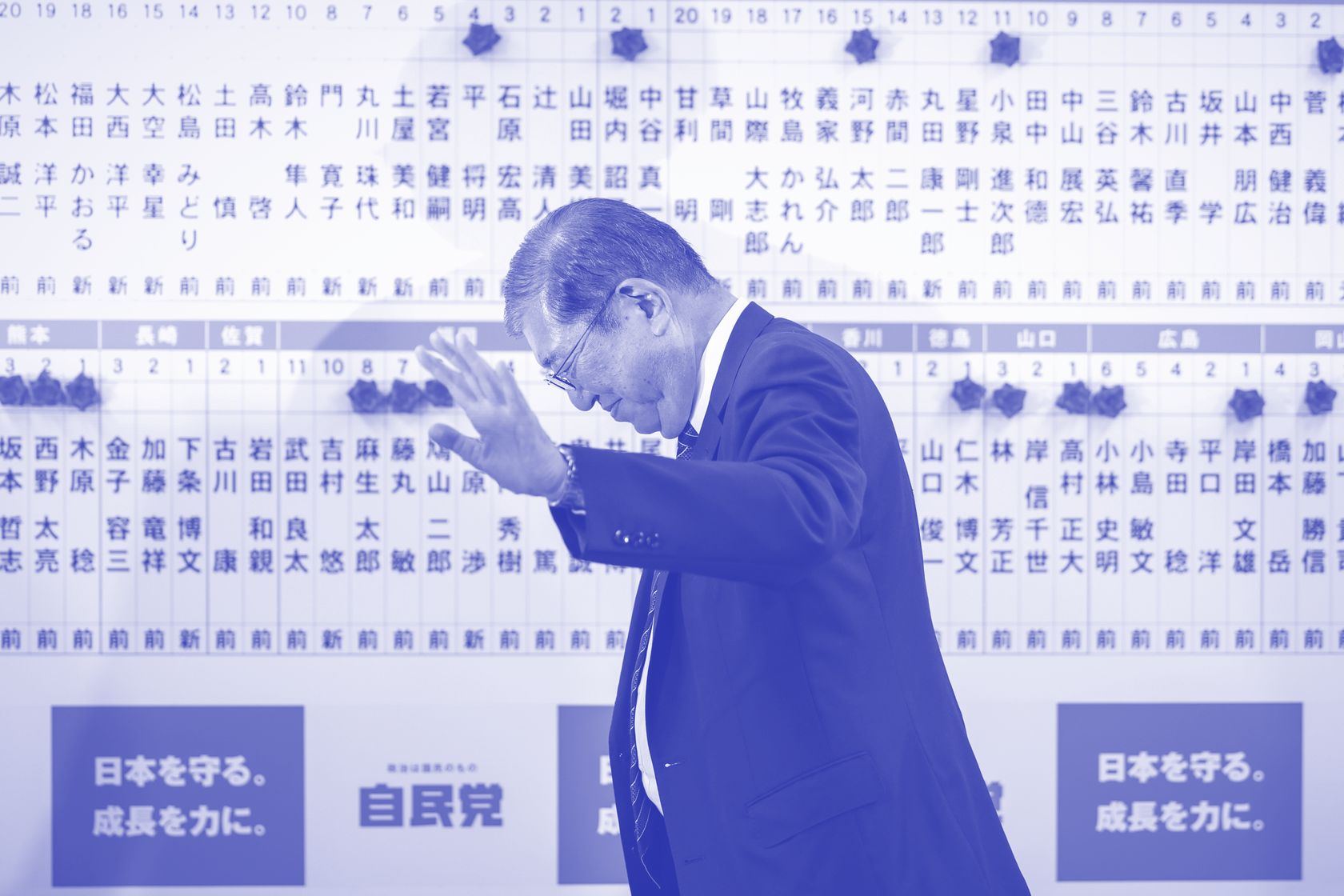
The Great Quake in the year of the election was supposed to be just over a week away, when US voters head to the polls. Few expected a major foreshock in Japan — Australia’s second-largest trading partner, the world’s third-largest economy and politically (if not physically) an island of stability in constantly shifting geopolitical terrain.
The ruling Liberal Democratic Party (LDP), in power since 2009 and for the vast majority of the last 70 years, had been expected to maintain its majority — and policy settings — despite a series of slush fund scandals and a new prime minister.

But the backlash in Sunday's election was far worse than expected.
The LDP and its much smaller coalition partner Komeito are well short of the 233 seats needed to control Japan’s lower house of parliament. The LDP secured only 191 seats, while Komeito won 24.
Meanwhile, the main opposition party, the Constitutional Democratic Party of Japan (CDJP), made big gains, taking 148 seats. The CDJP’s predecessor party was briefly in power until 2012 and it is led by a former prime minister, Yoshihiko Noda.
