Traders up chance of super-sized Fed cut to 60%
Plus: CEOs say Australia losing ground; JPMorgan said to fumble German bank deal; Trump golf course gunman charged.


Good morning. Here's what happened overnight and what you need to know today.
1.
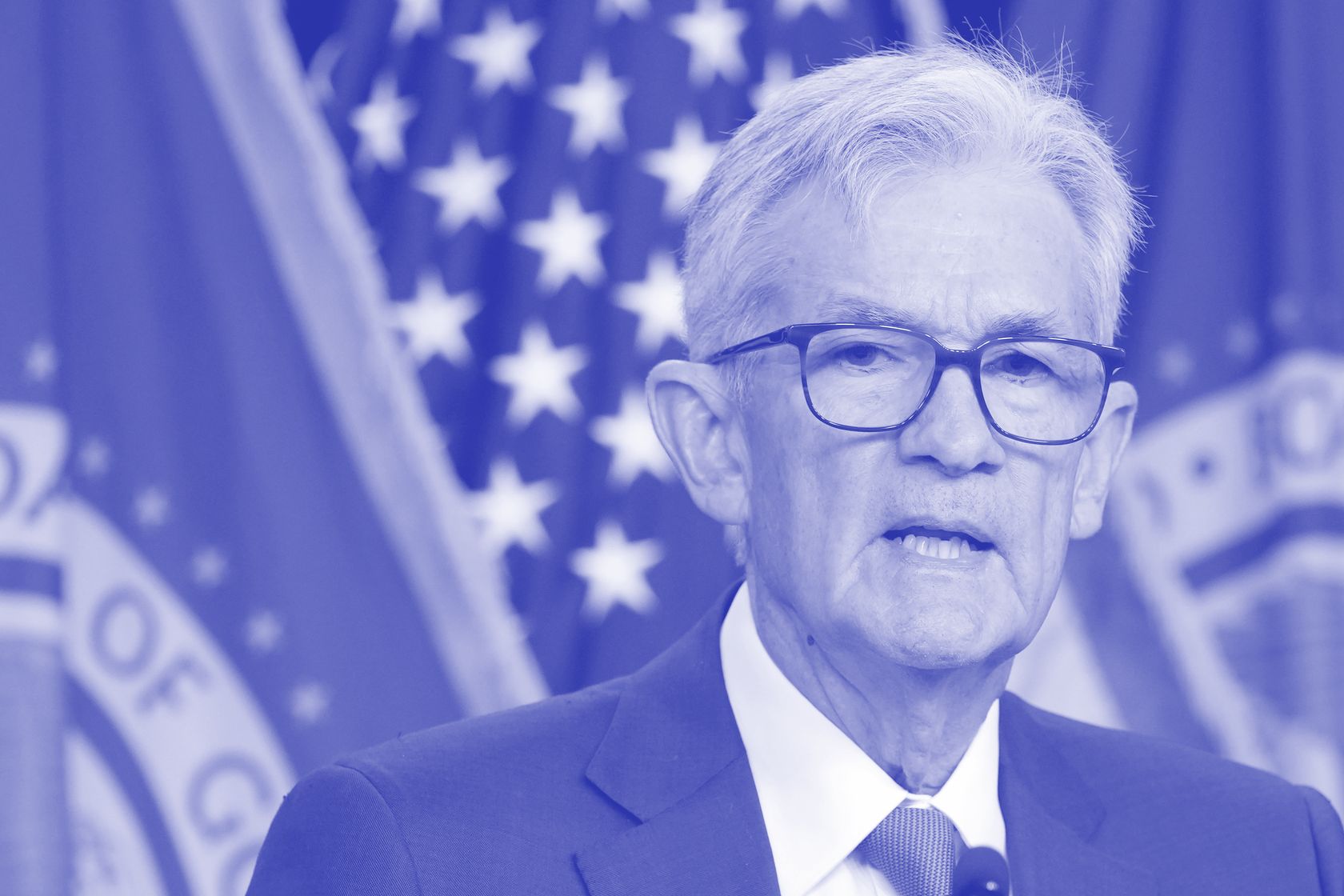
Fed cut: Traders hiked bets of a larger rate cut from the Federal Reserve ahead of Wednesday’s decision, with the probability of a 50-basis point cut now at a 60% chance, according to The Wall Street Journal. Fed policymakers have signalled a rate cut on Wednesday. But uncertainty about the magnitude of the Fed’s first cut this cycle continues and is at its highest since 2007, with most rate moves having been better anticipated at this point, according to Bloomberg data. Most economists expect a regular quarter-point move, but former president of the New York Fed Bill Dudley on Monday argued “the logic supporting a 50-basis-point cut is compelling.” Treasury yields dropped to 3.56%, reflecting lower rate expectations. Retail sales data due Tuesday could further influence the Fed’s decision. (WSJ)(Bloomberg)
2.
Corporate pushback: Business Council of Australia (BCA) CEO Bran Black is warning Australia is losing its competitive edge and that major companies are choosing to invest overseas rather than locally due to IR laws and increasing regulation. In pre-released remarks for his first speech at the BCA's annual dinner on Tuesday, the head of the nation's leading business lobby group criticises the Albanese government’s workplace laws and calls for the rollback of multi-employer bargaining laws. Black’s speech says many of the CEOs leading Australia’s largest companies believe "we are losing our way,” and warns of a looming tax and debt crisis where future generations will face heavier tax burdens and reduced living standards. Black replaced Jennifer Westacott as chief executive last year. (Capital Brief)
3.
Strategic sense: JPMorgan bankers advising the German government on selling a 4.5% stake in Commerzbank did not inform top officials that UniCredit, an Italian rival, was invited to participate in the auction, The Financial Times reported, citing unnamed sources. The move opened the door to a full takeover by the Italian lender after it became the second-largest shareholder with a 9% stake, catching Berlin off-guard and sparking political backlash. Rival bankers argued that by allowing UniCredit to participate in the auction without clearer terms or a strategic sale process, Berlin missed the chance to secure a higher premium and better proceeds for the asset. JPMorgan bankers had invited UniCredit to join the auction making it appear that Berlin supported their involvement, the paper said. JPMorgan declined to comment to the FT. (FT)
4.
Trump targeted: The man suspected of attempting to assassinate former US President Donald Trump at his West Palm Beach golf course was charged with two gun-related crimes on Monday. Ryan Wesley Routh, 58, was spotted by Secret Service agents at Trump’s West Palm Beach golf course on Sunday, while the Republican presidential candidate was golfing at the club. Trump was unharmed. Routh, a vocal supporter of Ukraine, was hiding in bushes with a semiautomatic rifle that had a scratched-off serial number. Routh fled by car after agents fired at him but was arrested shortly after at a traffic stop. Additional charges are expected, but the initial federal gun charges will enable authorities to hold him in custody while the investigation proceeds, Reuters reported. (Capital Brief)
5.
Office bound: Amazon CEO Andy Jassy announced a push for a leaner organisation, including cuts to management layers and a full return to the office for corporate employees, starting in January. In a memo to employees, Jassy said the company would increase the ratio of individual contributors to managers by 15% by the end of March. The online retailer will also tighten its remote work policy, requiring most corporate employees to be in the office five days a week, except in approved cases. Jassy acknowledged the change from the previous three-day in-office mandate will require adjustments for some, but said the move was necessary. “We want to operate like the world’s largest startup,” he said in the message. Meanwhile, Amazon contract delivery drivers in New York were organising with the Teamsters union on Monday, seeking better wages and working conditions. (Amazon blog) (Bloomberg)
6.
TikTok deadline: China’s TikTok and its parent ByteDance faced questions at a three-judge US appeals court as they sought to block the law that would ban the app unless ByteDance divests its US assets by 19 January. TikTok's lawyer, Andrew Pincus, argued the US government has not provided sufficient evidence that TikTok poses a national security threat, and that the law, passed by Congress and signed by President Biden in April, violates First Amendment rights. It prohibits app stores from offering TikTok and bars hosting services from supporting it unless divestiture occurs. ByteDance says divestiture is not feasible. The case coincides with the US presidential campaign, where both leading candidates are using TikTok to engage younger voters. The Justice Department claims TikTok’s Chinese ownership presents serious risks due to its access to Americans' data, but has not disclosed concrete evidence, citing national security concerns. A ruling is expected by 6 December. (Reuters)
7.
Smartsheet takeover: Vista Equity Partners and Blackstone are close to acquiring software provider Smartsheet for approximately USD8 billion (11.86 billion), Reuters reported citing unnamed sources. The private-equity firms are reportedly offering around USD56 per share, with the deal expected to finalise in the coming weeks if no complications arise. This follows reports in July that Smartsheet was seen as a target, driving its shares up over 16%. Both firms are working with direct lenders to secure financing for the transaction, the publication said. Smartsheet, which provides workflow management software used by major corporations, recently posted better-than-expected second-quarter earnings. The acquisition would be one of the largest take-private deals this year, trailing only Silver Lake’s USD13 billion buyout of Endeavor. The deal comes amid speculation that lower interest rates may trigger a rise in leveraged-buyout activity. (Reuters)
8.
Succession hearing: Rupert Murdoch's family battle over the control of his media empire began in a closed court in Reno, Nevada on Monday. At 93, Murdoch is reportedly seeking to amend the family trust that controls key stakes in Fox Corp and News Corp, to ensure his eldest son, Lachlan, remains in control after his death. The proposed change could prevent Lachlan's siblings—James, Elisabeth and Prudence—from influencing the companies’ future, as they hold more moderate political views. The family trust was formed in 1999 following Murdoch’s divorce from Anna Mann, and controls about 40% of the voting shares in both companies. Murdoch's children from his third marriage to Wendy Deng, Grace and Chloe, do not have any voting rights under the trust agreement. The court blocked media outlets from accessing the hearings. (Reuters)
