Trump reveals 50% copper tariff, previews 200% on pharma
Plus: RBA says Australia’s key risk is China, not US; Spotify warns local quotas could spark global trend that backfires on Aussie artists; SpaceX set for US$400b valuation, says Bloomberg.
Good morning. Here's what happened overnight and what you need to know today.
Get Standup in your inbox Signed up to Standup
1.
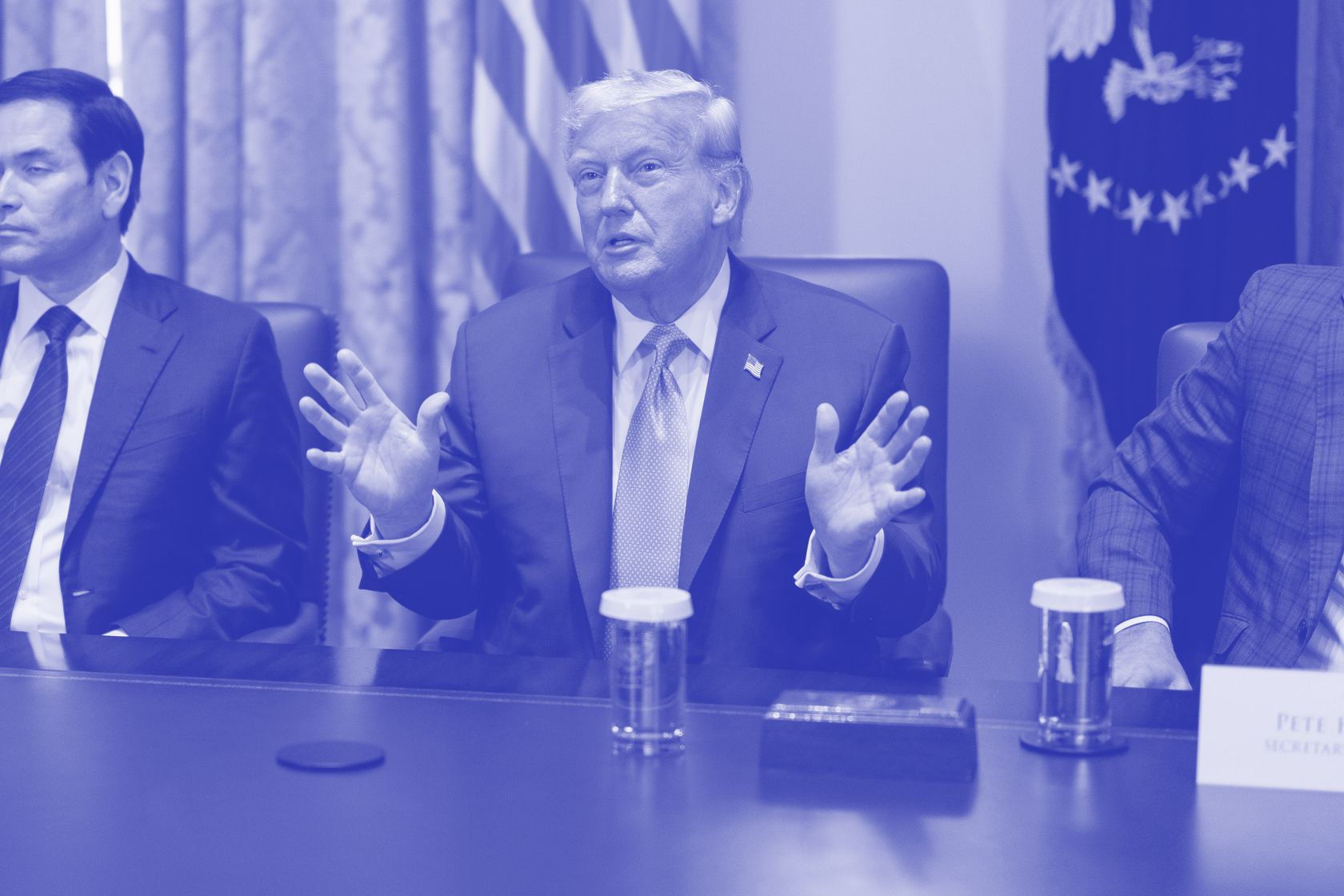
Tariff wave: US President Donald Trump said a new 50% tariff on all copper imports will be announced Tuesday (Wednesday AEST), and previewed tariffs of up to 200% on pharmaceuticals. Speaking during a Cabinet meeting, Trump said, “Today we’re doing copper,” and added, “I believe the tariff on copper we’re going to make it 50%.” He did not specify when the tariff would take effect. His comments follow a Section 232 investigation into copper imports ordered in February. Copper futures in New York surged as much as 17% following the remarks. Trump also said the US will soon impose tariffs of up to 200% on pharmaceuticals, but companies would be given about a year to a year and a half to reshore supply chains before they come into effect. He said tariffs on semiconductors will also be announced soon but did not provide any details. Trump also said he was two days from sending a letter to the EU, adding “a letter means a deal”. (Capital Brief)(The White House)(WSJ)(Bloomberg)
2.
Red herring: Shortly after the RBA put an interest rate change on ice for another month, pending further information, Michele Bullock stressed the central bank’s main offshore focus is not the US — it's China. Because while Donald Trump's tariffs are putting downward pressure on prices in Australia, the RBA governor says a “big chunk of uncertainty” will persist until China finalises its response to the US President’s economic disruptions. While Bullock said the trade barriers are “partly what’s driving some of the deflationary impact in our forecast”, Australia will not “be anywhere near as badly impacted as some countries because we’re not as directly linked to the United States and our fortunes are much more linked to China”. If China – Australia's largest import and export trading partner – reacts by implementing “fiscal and monetary stimulus” to keep its growth going, that will “help to cushion for us”. (Capital Brief)
3.
Quota Stouch: Spotify’s top global editorial executive argued that plans by the Australian government to impose local audio streaming quotas could trigger a global arms race that stifles the ability of local artists to reach global listeners. Sulinna Ong, global head of editorial at Spotify, said the plans would hurt Australia’s music export industry and emerge squarely at odds with feedback the platform hears from artists, who want to reach audiences in global markets. “What I will say is, if you’re going to implement domestic algorithmic percentages and quotas, there are also other things to consider in terms of…what are the consequences of that?,” Ong told Capital Brief. “If every market does that, then it limits the export potential of Australian music to other countries, which, when we’re talking to artists, is consistently one of the things they really care about.” (Capital Brief)
4.
Musk moves: SpaceX is reportedly discussing plans to raise money and sell insider shares in a deal that would value the company at around USD400 billion ($613 billion), Bloomberg reported citing unnamed sources. The strategy includes a primary round to sell new shares to investors and a secondary offering for employees and early shareholders. The valuation is at a premium to the USD350 billion high-mark set during a December share buyback. Separately, Bloomberg also reported sources said Meta Platforms acquired just under 3% of EssilorLuxottica for about €3 billion, and may raise its stake to around 5%. Meanwhile, The Washington Post cited a US State Department cable saying someone using AI to impersonate Secretary of State Marco Rubio contacted several officials in June, “with the goal of gaining access to information or accounts”. (Capital Brief)(Bloomberg)(WaPo)
5.
Goldenman Boy: Former UK Prime Minister Rishi Sunak has returned to Goldman Sachs as a senior adviser, the bank said on Tuesday. It marks Sunak’s first major role since resigning as leader of the Conservative party after Labour’s landslide election win in 2024, when the Tories suffered their worst election defeat in almost 100 years. Goldman Sachs chief, David Solomon, said: “He will work with leaders across the firm to advise our clients globally on a range of important topics, sharing his unique perspectives and insights on the macroeconomic and geopolitical landscape.” Sunak worked at the investment bank from 2001-2004 as a summer intern then junior analyst. The FT writes that Sunak and his wife Akshata Murty have a combined wealth of £640 million ($1.33 billion), most of which comprises her stake in the family business, Infosys. Sunak’s pay from Goldman will be donated to the UK charity Richmond Project. (Goldman Sachs)(FT)(Capital Brief)
6.
Bourse browsing: Fast-fashion retailer Shein confidentially filed for an initial public offering in Hong Kong, the FT reports, in efforts to expedite its planned London listing. Shein’s decision to privately file a draft prospectus last week with the Hong Kong exchange was reportedly designed to pressure UK regulators to approve its listing in London. The London Stock Exchange is struggling to attract and retain listings and a Shein IPO would be the largest for the bourse in years. Shein filed for an IPO in London at the beginning of 2024, but has yet to receive approval from the regulator. Regulators in both countries have failed to agree on the wording of the risk disclosure provision in the prospectus, relating to Shein’s supply chain exposure to the Xinjiang region where China has been accused of human rights abuses. Hong Kong regulators rejected a version of the prospectus which had been approved by the UK earlier this year. (FT)(Capital Brief)
7.
Powell(full) pressure: Trump also renewed his call for Federal Reserve Chair Jerome Powell to “resign immediately”. Speaking at a Cabinet meeting, Trump again labelled Powell “terrible” and said he would welcome a congressional investigation into Powell’s statements about renovations at the Fed’s headquarters. The comments follow accusations from officials, including Federal Housing Finance Agency head Bill Pulte, who called Powell’s testimony “deceptive”. During congressional testimony last month, Powell denied reports of luxury upgrades, saying they were “flatly misleading” and that “there’s no VIP dining room, there’s no new marble ... there are no special elevators ... no new water features, there’s no beehives and there’s no roof terrace gardens”. On Tuesday (Wednesday AEST), Trump said he wants a Fed chair who will cut interest rates. Turning to Treasury Secretary Scott Bessent during the meeting, Trump said: “I like you better.” (Capital Brief)(The White House)(Bloomberg)
8.
Conflict(ed) consultants: UK-based charity Save the Children International has “suspended all ongoing work” with BCG following an FT report which found that the consultancy had worked on a contentious project in Gaza. The FT last week detailed how BCG staff were helping to model the costs of relocating Palestinians from Gaza, and had been more closely involved with the controversial US Gaza Humanitarian Foundation than it had previously acknowledged. BCG has maintained that two partners misled senior executives to carry out “unauthorised work”, and that it has since stopped the work and dismissed the partners. Save the Children’s chief executive Inger Ashing told staff on Monday that the charity was “appalled and deeply disturbed” by the reports and that the NGO is awaiting a formal response from BCG. BCG has been a “proud partner” of Save the Children since 2006, according to a page on the consultancy firm’s website. (FT)