Trump eyes 20% tariffs on $4.8 trillion of imports
Plus: HLB Judd urgently seeks StrongRoom AI buyer despite asset freeze; Labor urges minimum wage lift above inflation; OpenAI valued at $478b as Ghibli tool drives record use.

Good morning. Here's what happened overnight and what you need to know today.

1.
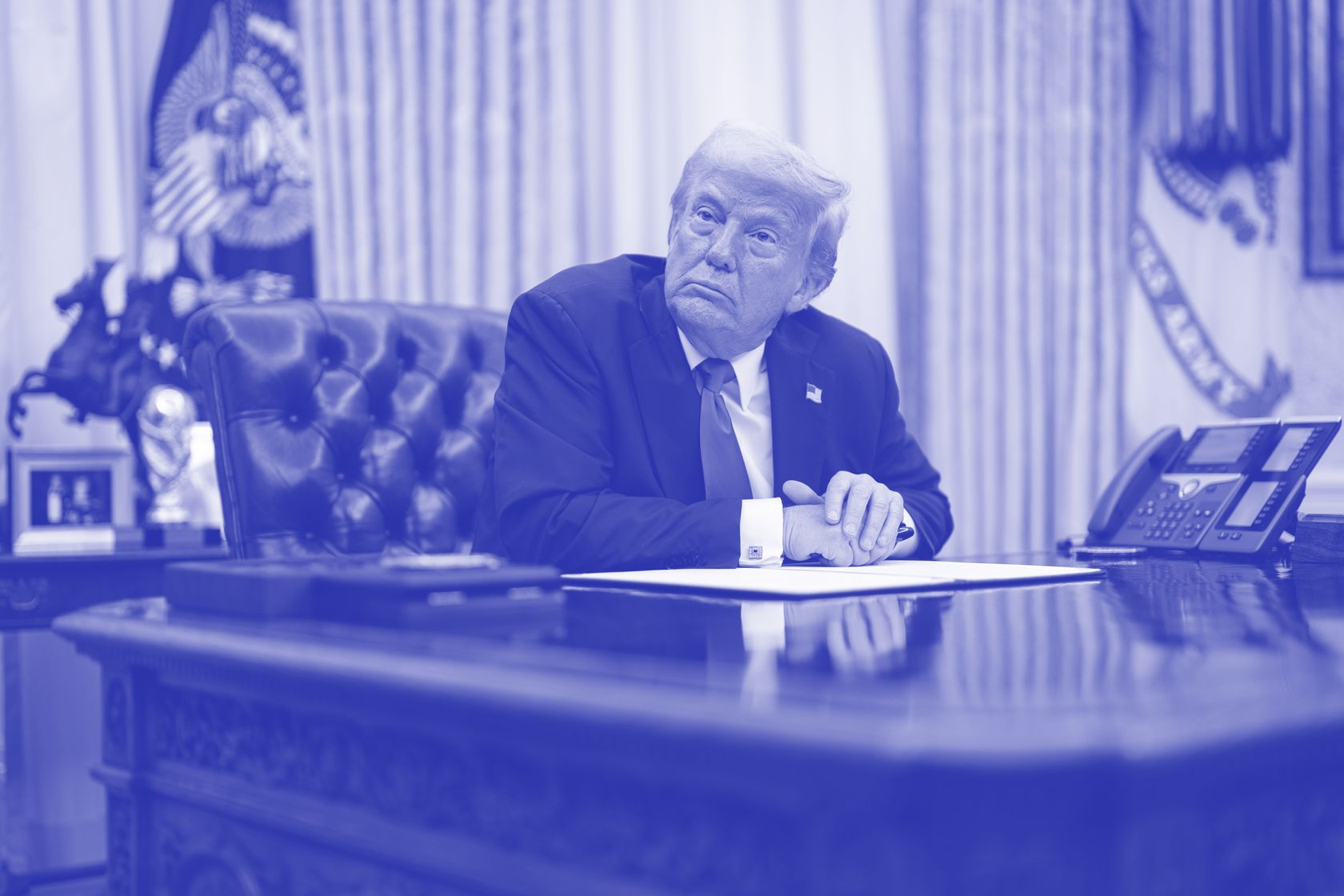
Liberation Day: The White House is weighing 20% tariffs on about USD3 trillion ($4.8 trillion) in annual imports, The Washington Post reported. Moody’s chief economist Mark Zandi warned such a move could trigger a global economic shock, plunging the US into a year-long recession and pushing unemployment above 7%, especially if trading partners retaliate. Trump advisers, however, said multiple tariff options remain under consideration and that countries treating the US unfairly should expect levies. White House Press Secretary Karoline Leavitt said the ‘Liberation Day’ tariffs would take effect immediately after being announced Wednesday (Thursday AEDT). On Monday, the US Trade Representative flagged Australia’s biosecurity laws, pharmaceutical patent rules, media bargaining code, screen content requirements and investment barriers as key trade concerns ahead of the announcement. (Washington Post)(USTR)(Capital Brief)
2.
Strong scramble: Advisory firm HLB Mann Judd is charging forward with an “urgent sale” of collapsed startup StrongRoom AI despite a Federal Court freezing order over funds that may hinder the administration process. HLB Mann Judd was appointed on Friday after the board voted for StrongRoom AI to enter voluntary administration. On Monday, investor EVP lodged a Federal Court order to freeze the assets of the administrators and 10 other defendants, including StrongRoom AI’s three co-founders, early investor Peter Bruce-Clark and the CEO of Member Benefits Australia. The freeze was granted, limiting administrators to a $200,000 budget. Late Tuesday HLB Mann Judd said it was seeking clarity about whether funds held by StrongRoom AI can be used, or if a new agreement can be reached with “interested parties”. A hearing is scheduled for Thursday. StrongRoom AI began March with a $17 million raise led by EVP, but days later the investor contacted police over concerns it may have misrepresented its finances. Tyson & Blake have threatened legal action against EVP. (Capital Brief)
3.
Fair work: Labor will urge the Fair Work Commission to grant an above-inflation wage increase for 2.9 million low-paid workers. In a submission to the commission’s annual wage review today, Labor will argue the increase should be “economically sustainable,” and that a rise in minimum and award wages should be in line with inflation returning to the RBA’s 2%-3% target. A 3% rise would amount to a $27 weekly increase for workers receiving the national minimum wage. Labor “recommends that the commission award an economically sustainable real wage increase to Australia’s award workers,” the submission reads. Labor has previously advocated that real wages for workers not go backwards, rather than pushing for an increase. While the submission isn’t a binding policy commitment, it will likely intensify debate with the Coalition about the cost-of-living crisis, which has become a hot-button election issue. (The Australian)(The Conversation)(Capital Brief)
4.
Ghibli effect: OpenAI has been valued at USD300 billion ($478.9 billion) after closing a USD40 billion funding round led by SoftBank— just as a viral Ghibli-style image-generation feature drove a record spike in ChatGPT usage. SoftBank will invest USD10 billion in April and a further USD30 billion in December, contingent on OpenAI becoming a for-profit entity. If the restructuring fails, SoftBank’s investment could drop to USD20 billion. Microsoft, Coatue Management, Altimeter Capital and Thrive Capital are also reportedly participating. Around USD18 billion is expected to support OpenAI’s Stargate data centre project with Oracle. ChatGPT’s Ghibli-style image-generation tool, released last week, helped it add one million users in an hour, causing outages and slowdowns. Legal experts flagged copyright concerns over mimicking the style of the famous studio founded by director Hayao Miyazaki, known for films like Spirited Away. Elsewhere, new Intel CEO Lip-Bu Tan said the company will spin off non-core assets and develop custom semiconductors. (Softbank)(CNBC)(Reuters)
5.
Troubled waters: China launched a large-scale military drill and coastguard exercise around Taiwan on Tuesday, escalating its campaign to assert claims of sovereignty over the island. The People’s Liberation Army (PLA) said joint army, navy, air and rocket forces closed-in on Taiwan Island from multiple directions, while the China Coast Guard said it was carrying out law-enforcement patrols around the island, including inspection and capture, interception and detention operations against unwarranted vessels. In a video accompanying the drill announcement, the PLA called Taiwanese President Lai Ching-te a "parasite" and depicted him as a green bug. The drills are a marked step up in military intensity from China, which sent its aircraft carrier Shandong within 24 nautical miles of Taiwan’s coast. The drills come days after US Defence Chief Pete Hegseth vowed to counter Chinese aggression in the Asia-Pacific. (Capital Brief)(China Ministry of Defence)(China Coast Guard)(FT)(Reuters)
6.
Vax axed: The Trump administration began mass layoffs of 10,000 staff at US health agencies, with employees turned away at doors and badges deactivated, according to multiple reports. Led by Health Secretary Robert F Kennedy Jr, the cuts target agencies under the Department of Health and Human Services, including the FDA, CDC and NIH, and are part of a plan to shrink HHS from 82,000 to 62,000 employees and save USD1.8 billion per year. Entire divisions were dismantled, including the FDA’s Office of Regulations and Office of Management within the Center for Tobacco Products, and the CDC’s FOIA office. At least five NIH leaders were placed on leave and offered reassignment to remote locations, including infectious disease director Jeanne Marrazzo. FDA vaccine chief Peter Marks and new drugs head Peter Stein were also ousted. Former FDA commissioner Robert Califf said, “The FDA as we’ve known it is finished.”. State attorneys general on Tuesday sued the administration arguing the cuts are illegal. (Bloomberg)(WaPo)(AP)
7.
Inflation ease: Eurozone inflation fell for the second month running to 2.2%, building hopes that the European Central Bank (ECB) will eschew hawkish language and cut rates again later this month. The reading fell below February’s figure of 2.3% as services inflation fell to its lowest in almost three years at 3.4% down from 3.7% the month prior. While inflation remains above the ECB’s medium-term inflation target of 2%, rate-setters believe a brief rise in inflation in late 2024 was temporary. After Eurostat released the figures, investors priced in a 75% probability of another quarter-point cut at the ECB’s meeting on April 17. While the central bank had previously signalled plans to slow rate-cutting due to uncertainty prompted by Trump’s trade war, Tuesday’s favourable data could tilt the ECB toward cutting again. EU nations are set to be caught in Trump’s tariff crosshairs on Wednesday, when the President unveils his ‘Liberation Day’ tariff plans. (Capital Brief)(Eurostat)(FT)
8.
Auto rush: Automakers including General Motors and Hyundai reported a jump in US auto sales as the threat of price hikes from President Donald Trump’s tariffs drove consumers to showrooms. GM deliveries in the US soared 17% in Q1, with a 15% gain in retail volume. Hyundai posted record sales for the latest month and quarter. Kia reported an 11% gain. Ford saw a 5% quarterly gain in retail sales and a 19% jump in March, even as overall volume slipped 1.3%. Toyota sales grew 7.7% in March and less than 1% for the quarter. Honda also reported gains. JD Power said the March results were “particularly strong” as consumers accelerated purchases to avoid tariff-related price increases. Meanwhile, Mercedes-Benz is considering withdrawing entry-level models from the US, with one analyst suggesting a 25% tariff could reduce its car margin by 330 basis points. Tesla is expected to have delivered about 390,000 vehicles, down from early January projections of 460,000, and potentially its worst quarter in a year. (Capital Brief)(Bloomberg)
