Good morning. Here’s what happened overnight and what you need to know today.
1.
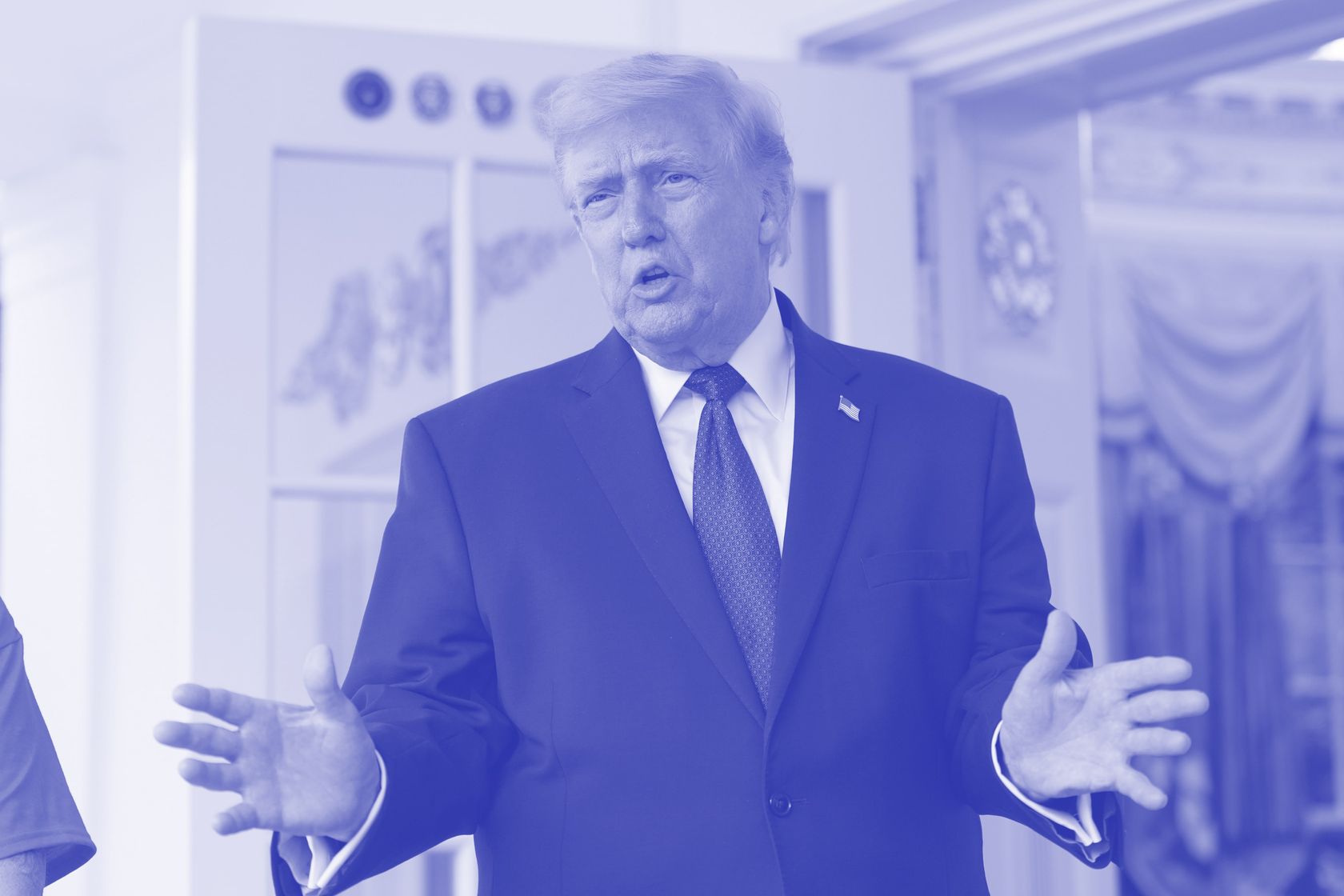
Second chokepoint: Trump said the US will hold Iran responsible for any further Houthi attacks on Red Sea shipping. The US president also threatened “major military punishment” on both Tehran and the Yemeni group, after Iran-backed militants claimed missile and drone strikes on two Saudi oil tankers. He separately told Axios he was considering “a massive attack. Bigger than ever before. I am close to making a decision.” The Houthis said they hit the tankers Encelia and Layla for defying a naval blockade the group imposed on Saudi shipping on Monday. They were the first vessels struck since the blockade was declared. Saudi authorities confirmed an attack on the Encelia and said the crew was safe, without naming the attacker. The strikes came as the US completed a 12th consecutive night of attacks on Iran and Iranian forces hit US military sites in Kuwait and Jordan. Meanwhile, the US House voted 214-208 to direct Trump to seek congressional approval for the war, its second such rebuke. Separately, Trump said Chinese President Xi Jinping would visit the US on 24 September and that the two will discuss artificial intelligence. (Reuters)(FT)(NYT)
2.
Cash burn: Wall Street fell overnight as Alphabet and Tesla results reignited concern over AI spending and oil pushed inflation fears higher. The Nasdaq Composite lost 2.15% and the S&P 500 fell 1.24%, its biggest drop in a month. Alphabet dropped about 7% after lifting its 2026 capital spending forecast to as much as USD205 billion and posting its first cash burn on record at USD5.9 billion negative free cashflow in the quarter. Tesla fell around 15% after also reporting negative free cashflow. A gauge of megacap stocks had its worst day since the April 2025 tariff selloff. Brent crude settled 7% higher at USD100.69 a barrel after Houthi strikes on two Saudi tankers, driving the 10-year Treasury yield to 4.70%. Intel bucked the trend after the close, rising in late trading after forecasting current-quarter revenue well above analyst estimates, as a surge in data centre spending fuels CEO Lip-Bu Tan’s turnaround. “Demand is outpacing our increasing supply, and so those are good problems to have,” Tan told Bloomberg, pointing to central processing units finding favour again as the industry shifts from training AI models to running them. (Reuters)(Bloomberg)(WSJ)