Trump shocks with sweeping tariff hike on consumer and industrial goods
Plus: CBA tries to rally banks against RBA overhaul; SunCable says still committed to Singapore exports; Netanyahu attacks Albanese as “weak” over Israel stance.

Good morning. Here's what happened overnight and what you need to know today.

1.
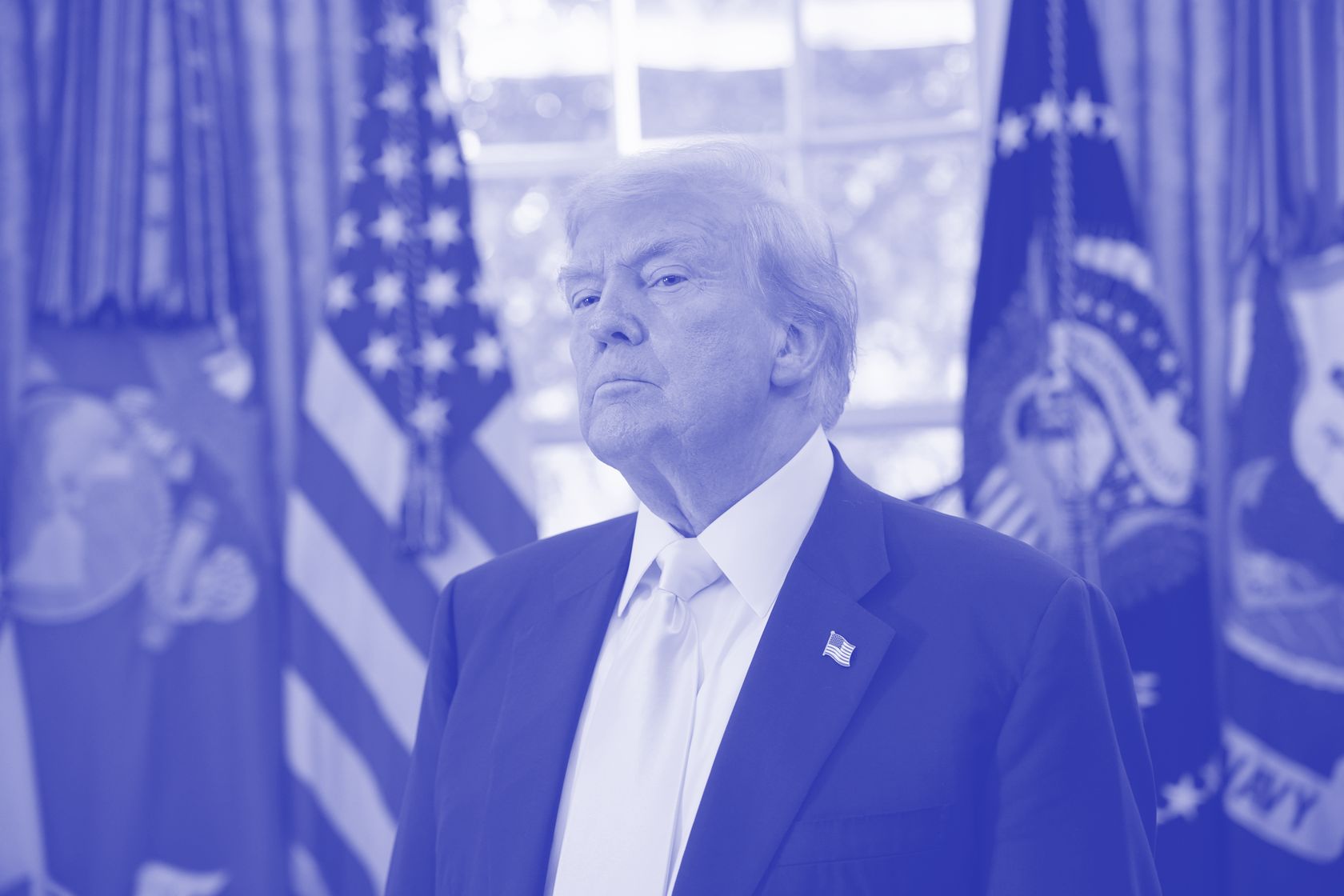
Tariffs cast: The Trump administration widened steel and aluminium tariffs to 407 additional product categories, imposing a 50% duty with little notice and no exemptions for goods in transit. Effective Monday, the levies cover consumer items such as motorcycles, baby booster seats, tableware and personal care products, along with industrial equipment including wind turbines, cranes, bulldozers, railcars, compressors, pumps and auto parts. Jason Miller of Michigan State University estimated the tariffs now cover USD320 to USD328 billion in imports, up from about USD191 billion before this change and six times more than in 2018. The first Trump administration first imposed the tariffs in 2018, and in June Trump doubled them to 50% while seeking feedback on expanding their scope. Under Secretary of Commerce Jeffrey Kessler said the action “shuts down avenues for circumvention – supporting the continued revitalization of the American steel and aluminum industries.” (Capital Brief)(US Federal Register)(Bloomberg)(Reuters)
2.
Payments tussle: The Commonwealth Bank has been trying to privately coordinate industry opposition to key parts of the Reserve Bank’s overhaul of surcharging and merchant costs, complaining that the central bank risks serious “unintended consequences” by moving too quickly. The behind-closed-doors effort rankled sections of the payments industry which see the claims against the RBA's proposals as alarmist and part of a campaign to protect the significant interchange fees it collects, which CBA claims is critical to maintain payment infrastructure. In a confidential letter drafted by CBA and obtained by Capital Brief, Australia’s biggest bank expresses “deep concern” over the central bank's bid to further regulate payments, arguing its proposals would “jeopardise” Australia’s low-cost payments system and stifle innovation. CBA’s chief argument in the draft is that the divisive proposals won’t help consumers or small businesses, and will disadvantage domestic institutions like the banks. (Capital Brief)
3.
Renewed commitment: The $40 billion solar infrastructure project SunCable insists it is committed to exporting energy to Singapore, amid mounting industry speculation it could pivot to supplying onshore data centres as the government pushes to turn Australia into an AI hub. The ambitious, Mike Cannon-Brookes-backed renewable energy export project, which has encountered several difficulties over the past two years, told Capital Brief that "supplying renewable electricity to partner nations in Southeast Asia remains a core element of the project." But it added that it "can enable Australia's strategic opportunity to become a global leader in AI data centres, powered by renewable energy," and that "from the outset, data centres in both Australia and Singapore were identified as key potential offtakers due to their substantial demand for renewable energy." (Capital Brief)
4.
Angry broadside: Israel is studying Hamas’ response to a proposal for a 60-day ceasefire and release of half the hostages still held in Gaza, Reuters reported citing two Israeli officials. Meanwhile, a political source told the news agency all Israeli captives must be freed for the war to end. According to a Hamas official, the proposals include the release of 200 Palestinian convicts jailed in Israel and an unspecified number of imprisoned women and minors, in return for 10 living and 18 deceased hostages. About 50 hostages remain in Gaza, 20 of them believed to be still alive. Qatar’s foreign ministry spokesperson Majed Al Ansari said the 60-day truce deal would include “a pathway to a comprehensive agreement to end the war.” Meanwhile, Benjamin Netanyahu lashed out at Anthony Albanese, calling him “a weak politician who betrayed Israel,” in a social media post. The comments follow intensifying relations between Australia and Israel, after both nations cancelled visas of high-profile individuals over the Israel-Palestine conflict. A Netanyahu letter, seen by Sky News, also accuses Albanese of failing to confront an “epidemic” of antisemitism that has “intensified” under his watch, and repeats his stance that the government’s decision to recognise the Palestinian state “rewards Hamas terror.” (Netanyahu X)(Sky News) (Capital Brief)(Reuters)
5.
Air support: European leaders are preparing a package of security guarantees for Ukraine “in the coming days, preferably this week,” according to European Council president Antonio Costa. It comes after US President Donald Trump said that a postwar security guarantee for Ukraine could involve air support provided by the US, but ruled out sending ground troops. Trump said on Fox and Friends that European nations, including Britain and France, were willing to deploy forces to keep the peace, with the US potentially providing support “probably…by air”. White House press secretary Karoline Leavitt said Vladimir Putin had agreed to meet Volodymyr Zelensky. Separately, Trump said he had already begun making arrangements for a bilateral summit and a subsequent trilateral involving himself. Meanwhile, Moscow has not confirmed and the Kremlin has downplayed the prospect of face-to-face peace talks, while just hours after the White House talks, Russia launched 270 drones and missiles across Ukraine. (Fox News)(Reuters)(WSJ)(FT)(Capital Brief)
6.
Databricks thrives: Analytics firm Databricks said its valuation was set to jump 61% to more than USD100 billion in a funding round less than a year after its last, underscoring strong investor demand for AI startups. CEO Ali Ghodsi said the round will exceed USD1 billion, which would make Databricks only the fourth venture-backed company to eclipse the USD100 billion mark, after SpaceX, ByteDance and OpenAI. Thrive Capital, Insight Partners, WCM Investment Management and Andreessen Horowitz are set to invest, according to The Wall Street Journal. The San Francisco-based company has about 15,000 customers including Block, Shell, Rivian and Adidas, and employs about 8,000 to nearly 9,000 people. It plans to use a portion of the new funds in product development, M&A and to keep up in the AI talent wars. Databricks forecast USD3.7 billion in annualised revenue by July with 50% year-over-year growth. (Databricks)(WSJ)
7.
Government-backed: US Commerce Secretary Howard Lutnick confirmed that the Trump administration plans to take a stake in Intel, framing the move as a bid to convert Chips and Science Act grants into equity. Speaking to CNBC on Tuesday, Lutnick explained that the plan would not give the US voting or governance rights over the chip maker, despite the deal making it the company’s largest shareholder. “It’s not governance, we’re just converting what was a grant under Biden into equity,” Lutnick told CNBC. “Non-voting.” Bloomberg first reported the news that the US government was considering taking a 10% stake in Intel, while SoftBank also unveiled its USD2 billion ($3.1 billion) investment in the company. SoftBank plans to buy newly issued Intel common stock directly from the company at USD23 per share, amounting to a roughly 2% stake. Shares in Intel rose 6.97% during New York trading. (CNBC)(SoftBank)(Bloomberg)(FT)(Capital Brief)
8.
Fourth reboot: Meta Platforms is restructuring its artificial intelligence division, Meta Superintelligence Labs, into four groups in its fourth shake-up in six months, according to reports citing internal communications. Bloomberg reported that Alexandr Wang, the former Scale AI chief executive who joined Meta in June as chief AI officer, will lead a to-be-determined lab, which oversees large language models including Llama. Nat Friedman, former GitHub CEO, and Daniel Gross, who ran Safe Superintelligence, will head the products and applied research division, sources told The New York Times. Aparna Ramani will lead infrastructure, while Rob Fergus continues to run the long-standing Fundamental AI Research (FAIR) unit. The Information reported TBD Lab will add external hires of former Google, Apple and OpenAI staff. The artificial generative intelligence (AGI) foundations group is being dissolved, with its leaders reassigned, according to the memo. Elsewhere, China’s DeepSeek released what seemed to be an update to its older V3 AI model. (Capital Brief)(Bloomberg)(The Information)(NYT)
