Trump trouble
Donald Trump’s actions since his return to the White House have caused allies all over the world to reassess their relationships with the US. Australia is not immune.


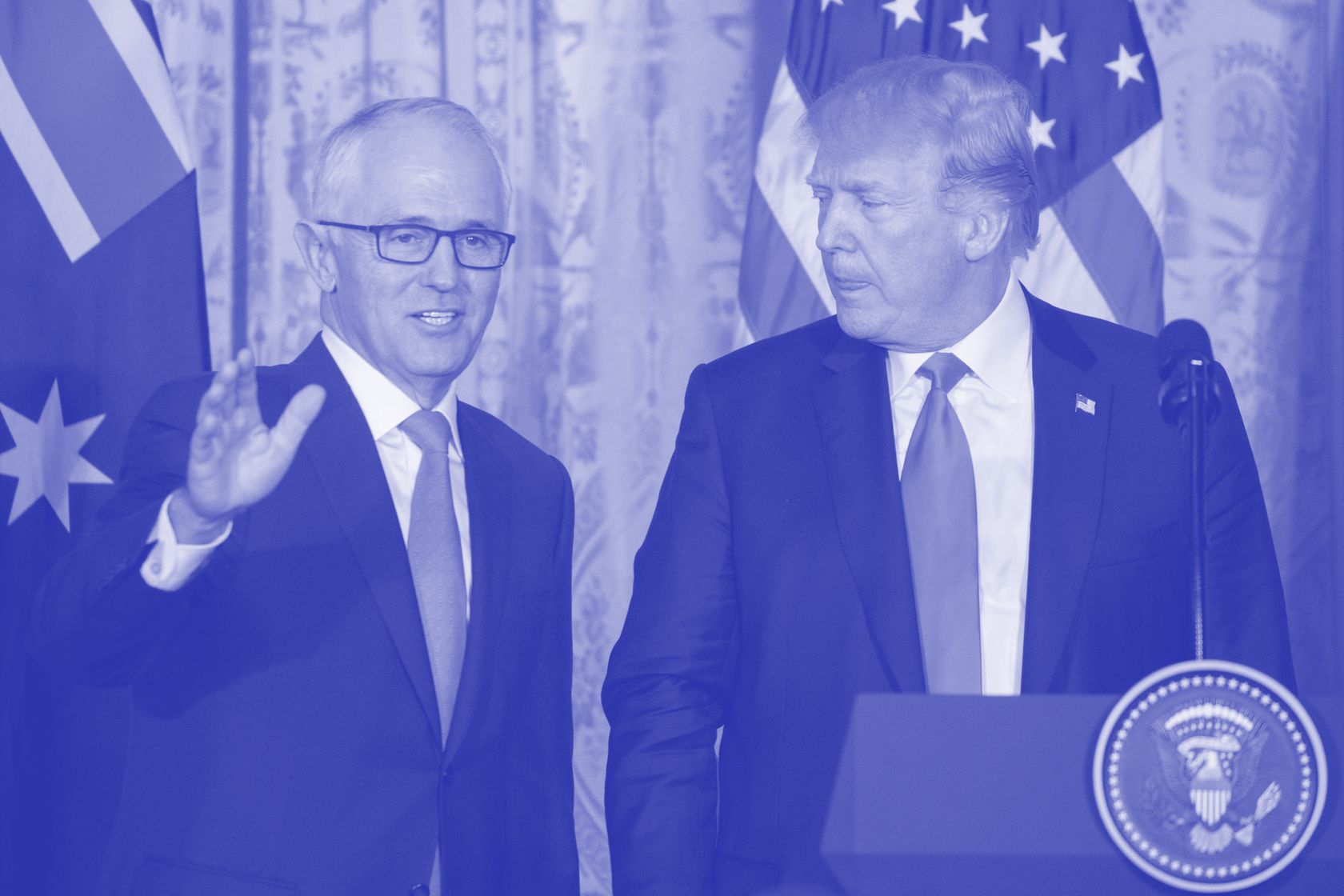
Today's Political Capital comes to you from the United States, where I have spent the past six weeks on leave as Donald Trump upends the US-led rules-based order.
It’s jarring at the best of times to spend an extended period of time overseas when you’re required to keep a close eye on Australian politics. The debates that dominate our domestic politics and will again at the upcoming election — interest rates and housing — have for some time been a world away from the two key themes that are top of mind in Asia and Europe: the major power rivalry between the US and China, and Russia’s westward march.

At the worst of times — which, it increasingly feels like we’re hurtling towards — Australians can look like an incredibly complacent lot, sunning themselves on the beach under the assumption that the vast ocean shields them from the world’s problems.
But is the luck finally running out for our lucky country?
It looks like Prime Minister Anthony Albanese has been unable to convince Trump to give Australia an exemption on his 25% tariff on all steel and aluminium imports. Ambassador to the US, Kevin Rudd, was unable to secure a last minute reprieve from US Commerce Secretary Howard Lutnick on Saturday.
