Trump unveils Vietnam tariff agreement, teases India next
Plus: NRF’s top HR executive exits amid whistleblower investigation, audit; UK markets tumble as Starmer sidesteps questions on chancellor’s future; Microsoft to cut 4% of workforce.

Good morning. Here's what happened overnight and what you need to know today.

1.
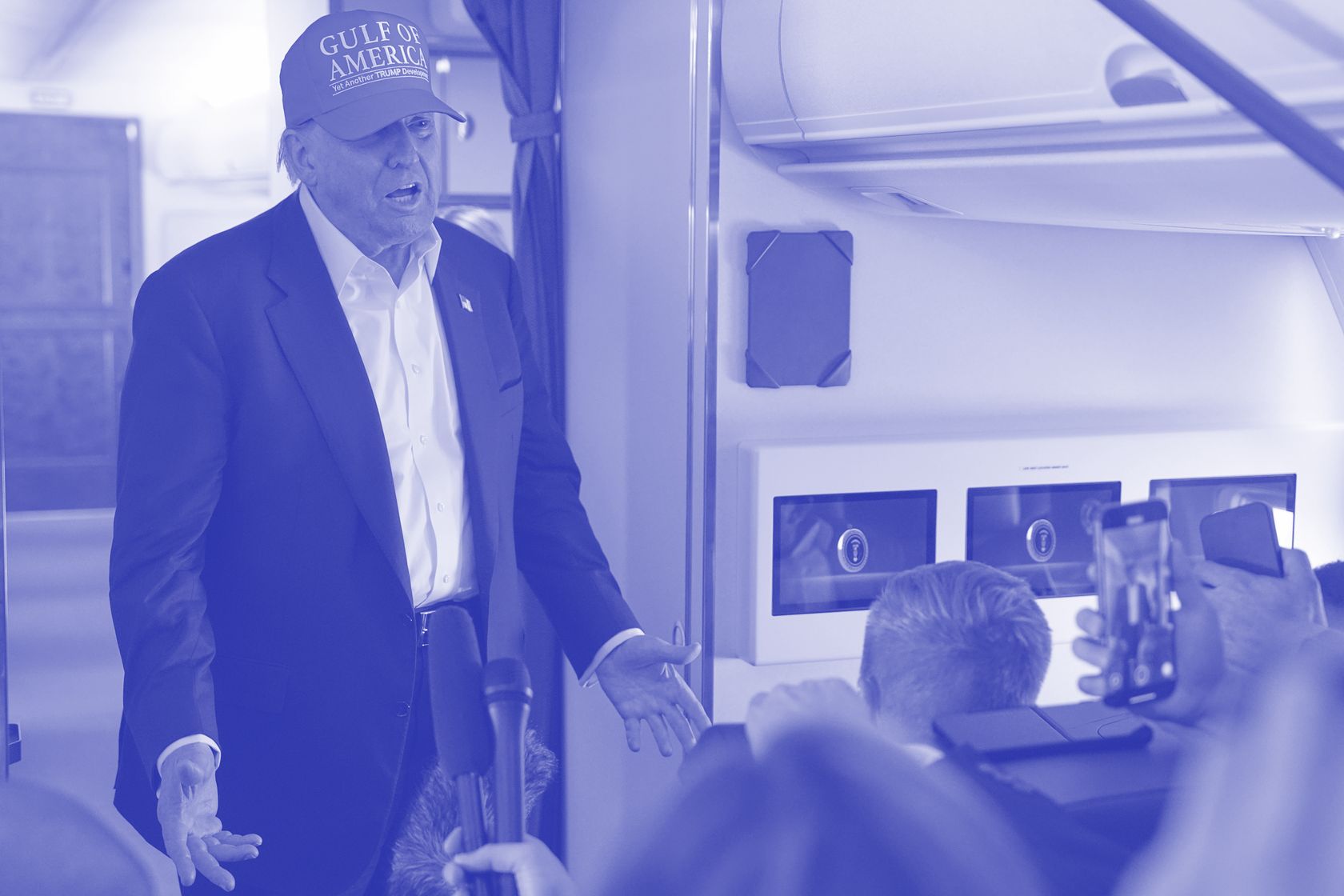
Duty free: Donald Trump on Truth social announced a trade deal with Vietnam that sets a 20% tariff on many Vietnamese exports to the US and a 40% tariff on goods deemed to be transshipped through Vietnam. In return, US goods will enter Vietnam duty-free. The agreement comes days before Trump’s 9 July deadline that would have seen tariffs on Vietnamese imports rise to 46%. The Vietnamese government told media the two countries had “agreed on a joint statement about a trade framework,” with further details still pending. The S&P 500 touched an intraday record after Trump’s announcement, driven by gains in apparel and technology stocks, and Tesla shares rose after the company reported a smaller-than-feared 13% drop in vehicle sales. Trump also teased a trade deal with India could come soon and cast doubt on an agreement with Japan, suggesting tariffs on Japanese imports could rise to 30% or 35%. Earlier US private payrolls data from ADP showed an unexpected fall of 33,000 jobs in June, which initially weighed on markets before stocks rebounded on news of the US-Vietnam trade deal. (Capital Brief)(WSJ)(Bloomberg)
2.
NRF departure: The National Reconstruction Fund's most senior human resources executive has resigned, as the $15 billion government organisation deals with an investigation into whistleblower allegations and the fallout from a public audit which revealed several operational lapses. In an email to staff on Wednesday viewed by Capital Brief, NRF chief executive David Gall confirmed chief people officer Fiona McLean was leaving to "pursue other opportunities". In the email, Gall said McLean's departure would trigger an external recruitment process, though he welcomed internal candidates to express interest in the role. Gall emphasised that "People and Culture is an extremely important part of the NRF" and pledged continued efforts to implement "best practice processes and policies." Capital Brief does not suggest McLean's resignation is related to the whistleblower investigation or the findings of the audit. Only that it has occurred at a time when the NRF is grappling with both issues. (Capital Brief)
3.
Fiscal grief: UK markets fell after Keir Starmer refused to confirm whether Chancellor Rachel Reeves would remain in her post when questioned in parliament. This came after a dramatic welfare reform U-turn that left a £5 billion ($10.37 billion) hole in the government’s budget plans. Investors dumped gilts, pushing yields to their highest since October 2022, and stocks fell as markets speculated Reeves could be replaced and fiscal rules relaxed. Reeves appeared in tears during Parliament but has not resigned, with Starmer’s office later saying she has the prime minister’s “full backing”. Labour was forced to abandon most cost-saving measures in its welfare bill to avoid defeat after 49 MPs rebelled, marking the biggest challenge to Starmer’s leadership so far. The weakened package now delivers much smaller savings, fuelling concerns the government will need to raise taxes or cut spending elsewhere. (FT)(Bloomberg)
4.
Candy crushed: Microsoft is laying off just under 4% of its global workforce in the tech giant’s second wave of cuts this year. Around 9,000 Microsoft workers across a stretch of teams, geographies, and tenures will be affected a spokesperson for the company told Bloomberg. Part of the job cuts will impact Microsoft’s gaming division, which had about 20,000 employees at the beginning of 2024. The Stockholm-based King division, which makes Candy Crush, is cutting 10% of its workforce (around 200 jobs). Microsoft Gaming CEO Phil Spencer said: “We will end or decrease work in certain areas of the business and follow Microsoft’s lead in removing layers of management to increase agility and effectiveness.” The layoffs mark the fourth reduction at Xbox in the last 18 months, as the broader gaming division continues to struggle under pressure to boost margins. Microsoft slashed over 6,000 roles in May and another 300 in June. (Capital Brief)(Bloomberg)(CNBC)(Reuters)
5.
Design duel: Figma’s IPO filing has become a key test case for Canva’s own public market ambitions, with billions in Australian venture capital returns hanging in the balance. Canva is laying the groundwork for its IPO, hiring former Zoom chief financial officer Kelly Steckelberg and restructuring as a US-based company. Canva reports roughly USD3 billion in annualised revenue and 220 million monthly users, while Figma’s filing shows USD913 million in annualised revenue and 13 million users. Figma’s USD12.5 billion valuation translates to roughly 13.7 times its annual revenue, while Canva’s USD32 billion valuation represents a 10.7 times revenue multiple. They have different strategic approaches, and after the 2022–2023 IPO drought, Figma’s listing is essential viewing for Australia’s major VCs and their superannuation fund backers. Meanwhile, OpenAI has tapped former Tech Council of Australia CEO Kate Pounder as its local policy liaison, showing the AI giant’s growing ambitions in Australia as it ramps up its lobbying efforts. (Capital Brief)
6.
Direct wires: Wise applied to be directly regulated by the US Office of the Comptroller of the Currency to create a national trust bank, Bloomberg reported citing documents. If granted, the charter would let Wise connect directly to Federal Reserve payment rails to clear and settle US dollar payments and reduce its reliance on costly banking intermediaries. Wise, previously known as Transferwise, serves nearly 13 million customers. The application says the US dollar is Wise’s largest currency, making up almost half its cross-border volume. In June, the company announced plans to move its primary share listing from London to the US to increase liquidity. Wise’s Austin, Texas hub has about 450 staff and aims to grow US trust company staffing by 20% within three years, the application says. (Capital Brief)(Bloomberg)
7.
War chest: Ukraine called upon a top diplomat from the US embassy on Wednesday, the FT reports, after the Trump administration abruptly stopped shipments of several high-value weapons to the country. Ukraine’s foreign minister Andriy Sybiha called the US embassy’s deputy chief of mission in Ukraine, John Hinkel, to the ministry of foreign affairs in Kyiv to urgently discuss military assistance and defence co-operation, the FT reports. The White House confirmed a report by Politico which said that the Pentagon halted shipments of some air defence missiles and other munitions to Ukraine over concerns that stockpiles in the US had fallen too low. Weapons include interceptors for Patriot air defence systems, precision-guided artillery shells and missiles launched by Ukraine’s F-16 fighter jets, Politico reported. As recently as last week, Trump said that he'd consider sending more Patriot systems to Ukraine after a "good" meeting with Ukrainian leader Volodymyr Zelensky at the NATO summit. (FT)(Politico)(WSJ)(Bloomberg)(Capital Brief)
8.
Brexit fallout: Britain’s hopes to join the Pan-Euro-Mediterranean (PEM) convention as part of its new trade strategy have been blocked by Brussels, according to officials cited by the FT. The UK had hoped that joining PEM would help it reduce supply chain challenges brought about by Brexit. PEM allows countries to qualify for low-tariff access to markets under certain trade conditions. EU officials told the FT that the Commission decided that the UK joining PEM could increase the risk of products unfairly qualifying for low-tariff access to the Union. The UK and EU agreed to a “reset” of their relationship in May and Brussels had previously signalled that it was open to the UK joining PEM, but has since pulled back from the idea. The news comes as the UK and Germany are expected to ink a mutual assistance deal in the case of a threat to either nation, Politico reports. (FT)(Politico)(Capital Brief)
