Trump's 'big, beautiful' tax bill clears House, bond market wobbles
Plus: US clean energy boom threatened by bill, sector stocks plunge; Two Israeli embassy staff shot dead in Washington; Trump bans Harvard from enrolling foreign students.

Good morning. Here's what happened overnight and what you need to know today.

1.
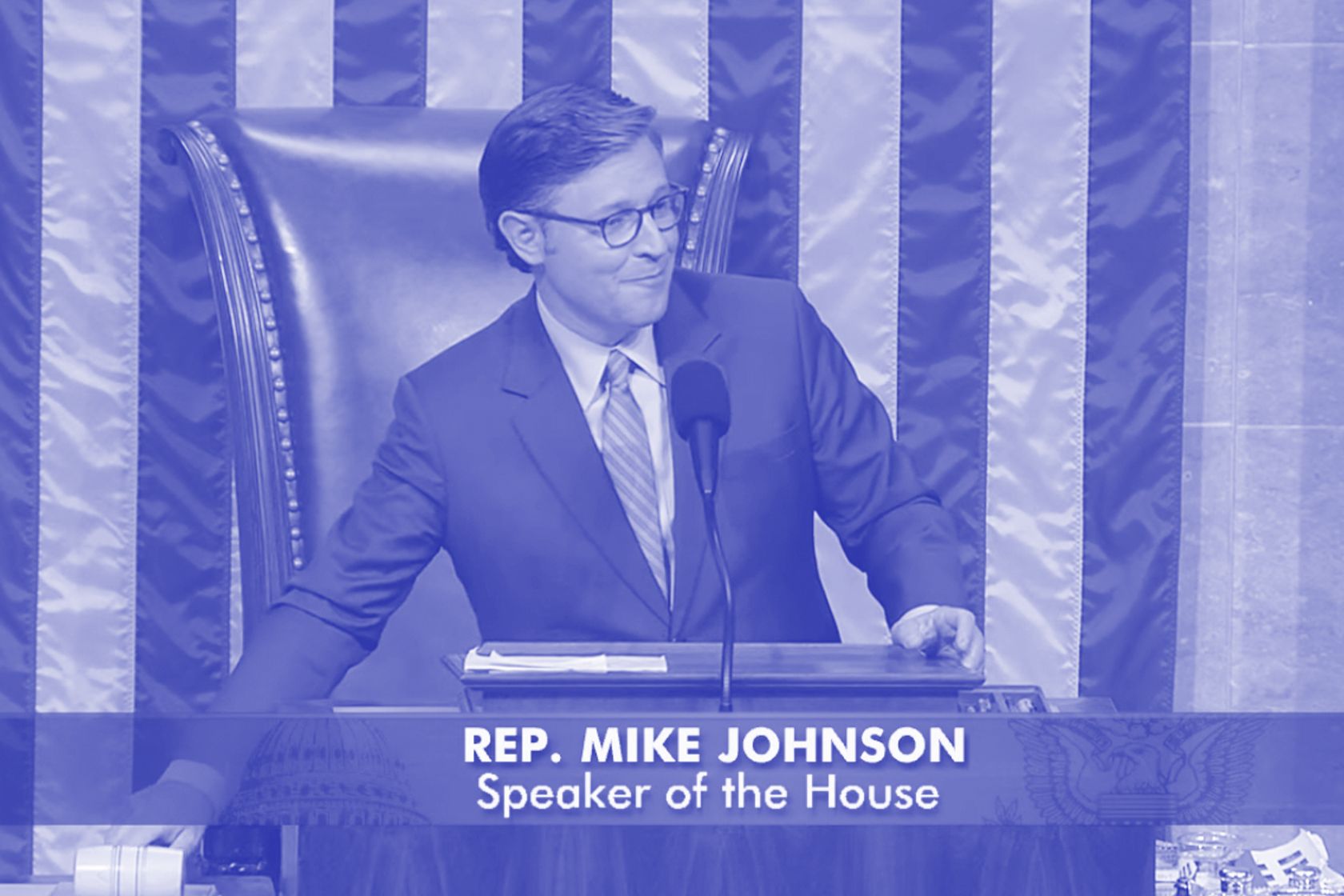
Big, beautiful bill: The US bond market sputtered on Thursday as Trump’s signature tax bill passed the US House of Representatives by a narrow margin, pushing the wide-reaching package through to the Senate. The vote came in at 215 to 214, with one abstention. The bill includes a USD4 trillion ($6.23 trillion) increase in the US debt ceiling, and extends Trump’s first-term cuts that are due to expire on 31 December, as well as adding new state and local tax relief and would temporarily exempt tips and overtime pay from tax. It will also see cuts to food stamps and Medicaid health coverage. Estimates suggest the legislation will increase US national debt by more than USD3.3 trillion over the next decade. Treasury yields rose in early trading before inching down, with 30-year yields touching 5.117% before falling slightly to remain above 5%. The 10-year yield edged around 4.55%. The S&P 500 ended the session 0.04% lower.(Capital Brief)(Reuters)(FT)(Bloomberg)(WSJ)
2.
Clean cut: As is, the US budget bill would also end Inflation Reduction Act tax credits earlier than planned, halting the clean energy production boom. It would move the end-date for technology-neutral clean electricity tax credits for wind, solar and battery storage to 2028, from 2031, require projects to begin construction within 60 days, and eliminate the transferability of credits—except for nuclear energy, which retains its tax incentives. It also blocks credits for projects linked to “foreign entities of concern,” including those tied to China. Clean energy advocates said the bill would destroy billions in investments, while the American Petroleum Institute praised it. Industry stocks tumbled including Sunrun, which plunged as much as 42% in intraday trading. Enphase and NextEra also fell, with analysts describing the changes as worse than expected. Separately, the Senate voted 51–44 to repeal California’s 2035 petrol car ban, overturning an EPA waiver and drawing criticism from environmental groups who called it an “unprecedented and reckless attack” on states’ authority. (Reuters)(FT)
3.
US homefront: Two Israeli Embassy staff members were fatally shot near the Capital Jewish Museum in Washington DC on Wednesday night. The suspect, who has been arrested, reportedly chanted “Free, free Palestine!” as he was taken into custody. FBI Deputy Director Dan Bongino said that the attack appeared to be an act of targeted violence. Police said that they believe the shooting was committed by a single suspect, 30-year-old Elias Rodriguez, who had been pacing outside the museum in the US capital before approaching four people with a handgun and opening fire. Rodriguez was arrested when he went inside the museum and told officers where he had discarded the gun and implied that he carried out the shooting, police said. The attack comes after Israel ramped up its ground offensive in Gaza, with Israeli Prime Minister Benjamin Netanyahu stating Israel plans to seize control of the entire Gaza strip. (Capital Brief)(Reuters)(WSJ)(Bloomberg)
4.
Harvard hobbled: The Trump administration revoked Harvard University’s ability to enrol international students, a major escalation of efforts to pressure the Ivy League school to fall in line with the president’s agenda. Homeland Security Secretary Kristi Noem said in a letter that Harvard’s Student and Exchange Visitor Program certification was revoked “effective immediately.” Existing international students must transfer or lose their legal status. Noem accused Harvard of “fostering violence, antisemitism, and coordinating with the Chinese Communist Party.” About 6,800 international students—27% of enrolment—attended Harvard this year, where tuition is USD59,320 and total annual costs can rise to nearly USD87,000, according to The New York Times. A DHS statement said the move was meant to send a “clear signal” that enrolling foreign students is a “privilege, not a right.” Harvard called the decision “unlawful” and “retaliatory,” saying it undermines its academic mission. (FT)(NYT)(WSJ)
5.
Back on: Liberal MPs met Thursday and will reconvene today to decide their response to the Nationals’ four policy demands, after Sussan Ley reopened Coalition talks with David Littleproud. Talks resumed after Ley cited Littleproud’s public acceptance of cabinet solidarity as “the first time this commitment has been made” and “a foundation to resolve other matters”, though Nationals sources disputed that it was a new position. The Nationals had quit the Coalition on Tuesday over the Liberals’ refusal to commit to supermarket divestiture, nuclear power, a $20 billion regional future fund and universal service obligations for rural coverage. Both parties paused plans to announce separate shadow ministries on Thursday, while each side sought to frame the pause as a concession by the other, reflecting ongoing tensions beneath the renewed negotiations. (AFR)(The Australian)(The Guardian)(SMH)(Capital Brief)
6.
Stark warning: Iran has warned that it would take action against Israel and would hold the US “legally responsible” if the state were to act on reported plans to attack the Islamic Republic’s nuclear facilities. A letter to the United Nations and its nuclear watchdog from Iranian foreign minister Abbas Araghchi told them to take “effective measures” against “Israeli threats.” In the event of any attack on the “Islamic Republic of Iran’s atomic facilities by the Zionist regime, the US government will also be a party and have legal responsibility,” the letter adds, according to Iran’s state-run news. The warning follows media reports that Israel is preparing a possible attack on Iran’s nuclear sites. Iran is currently in indirect talks with Washington in efforts to secure a nuclear deal, with the two countries due to meet on Friday for a fifth round of talks. (Capital Brief)(Bloomberg)(Araghchi X post)(IRNA)
7.
Trade war: Reserve Bank deputy governor Andrew Hauser thinks Australian companies are upbeat and finding opportunities amid the global volatility that could even enhance their competitive position. Speaking at the Lowy Institute, Hauser said Australian companies doing business in China “see opportunities amidst the risks” from US President Donald Trump’s tariffs. Citing a roundtable discussion organised by Austcham Shanghai and attended by numerous Australian businesses active in China, Hauser was struck by firms’ upbeat outlooks. “What really struck me about that session was how upbeat most, if not all, of the firms were about the outlook for their businesses … there was also a sense that recent developments in trade policy could enhance their competitive position in the Chinese market,” Hauser said. Those Hauser spoke with in China were surprised by the scale of Trump’s tariff announcements, their immediacy and that they were wider in scope with tariffs across Southeast Asia. (Capital Brief)
8.
Secret capitulation: Trump told European leaders on Monday that Russian President Vladimir Putin is not ready to end the Ukraine war as he thinks he is winning, a WSJ report found. Senior European officials told the Journal that while leaders had long believed this, it was the first time Trump admitted to them that Putin would not stand down. Trump has maintained publicly that Putin wants peace. In response to the article, White House press secretary Karoline Leavitt disputed the accounts, saying Trump “did say he believes Putin is winning the war BUT he NEVER said ‘Putin isn’t ready to end war.’” Trump had indicated to European leaders ahead of his two-hour call on Monday that the US would impose sanctions if Putin refused a ceasefire, but this did not transpire after the call. Instead, Trump called for direct talks between Russia and Ukraine to be held at the Vatican. (WSJ)
