Trump's legal woes return
Plus: WeWork founder wants it back; RBA is alert to Chinese market risks; China skirts US sanctions to make more chips.

Good morning. Here's what happened overnight and what you need to know today.

1.
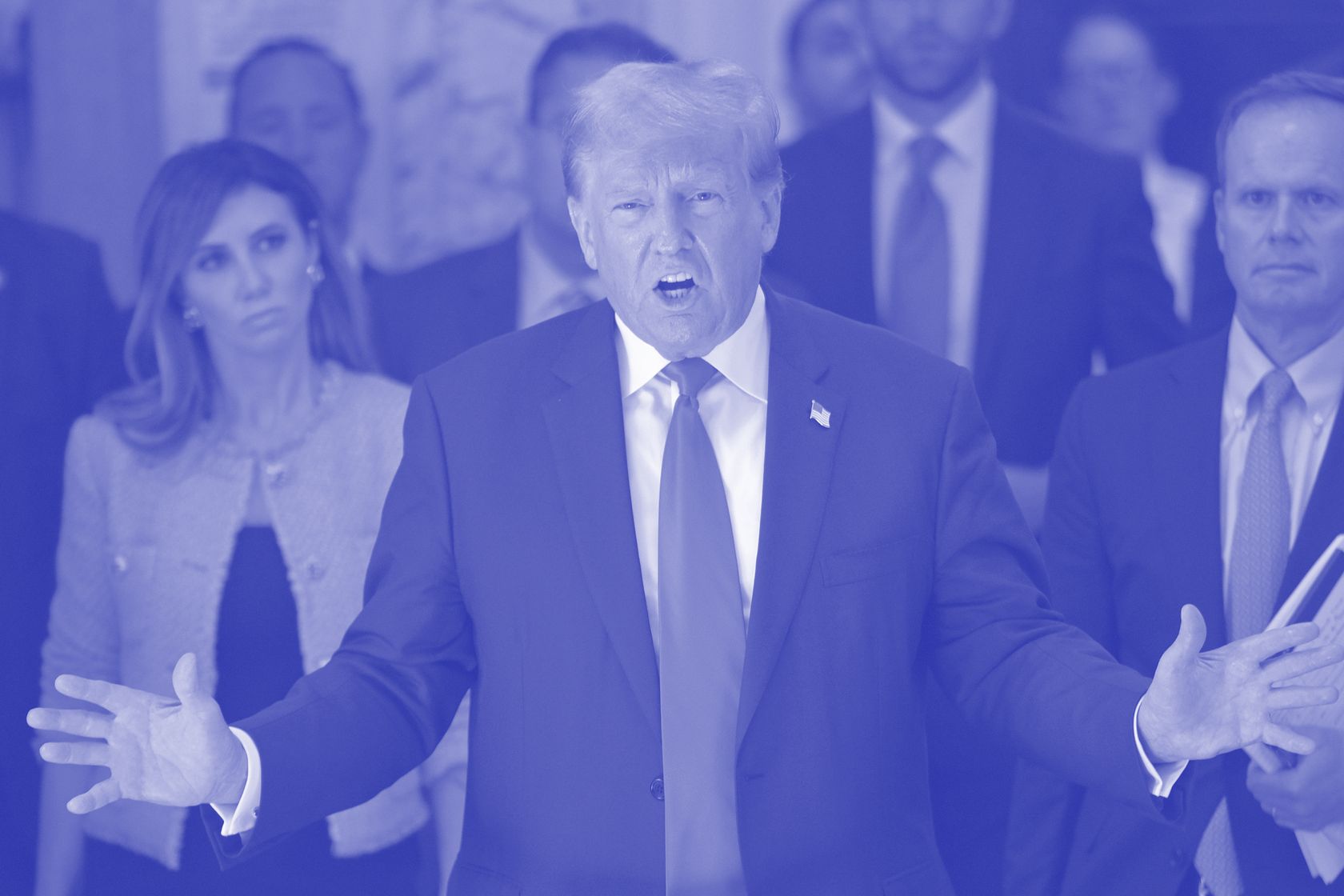
Weak immunity: Donald Trump does not have presidential immunity from prosecution for alleged crimes committed during his presidency, a US federal appeals court said on Tuesday. The former president is on trial over claims that he interfered with the 2020 election. Trump had claimed that the conduct in question fell under his official duties as president and should therefore shield him from criminal liability. The ruling reads: “Any executive immunity that may have protected him while he served as President no longer protects him against this prosecution,” the court wrote. The decision is ultimately likely to end up before the Supreme Court on appeal, where conservative judges hold a 6-3 majority. (CNN)
2.
WeWork BuyBack: WeWork co-founder Adam Neumann is attempting to buy back the embattled officespace leasing giant. According to a letter first published by the NY Times, Neumann’s new real-estate company, Flow, has financing support from Daniel Loeb’s Third Point activist hedge fund. Third Point has denied that they have committed financing to the deal yet. Once valued at USD47 billion ($72 billion), WeWork’s value plunged to just USD45 million after aggressive debt-driven spending and drastic falls in demand pushed the company to the brink. WeWork filed for bankruptcy late last year. (Wall Street Journal)
3.
Chinese exposure: The RBA is attuned to risks that a “prolonged cyclical downturn” in China could bring to Australia, according to the central bank’s latest Statement of Monetary Policy. The RBA held rates steady at 4.35% as expected in its first decision for 2024 on Tuesday, and warned that it could not rule out further increases in the current cycle. Australia’s largest trading partner, China, has been rolling-out rescue packages in efforts to stem a deep and persistent economic slump, would could pose potential risks to Australia’s outlook should China struggle to keep the money flowing. (Capital Brief)
4.
Chip wars: Chinese chip manufacturer, Semiconductor Manufacturing International Corporation (SMIC), has built production lines near Shanghai to boost its advanced chips output. According to unnamed sources cited by the Financial Times, SMIC will be mass-producing 5-nanometre chips designed by Huawei to meet Beijing’s goal to become self-reliant on chip making. The Biden Administration has been tightening export restrictions around advanced chip making equipment since late last year in attempts to stymie China’s chip making capabilities. (Financial Times)
5.
BP bonanza: BP will expand its share buyback scheme after the group reported its second largest annual profit in over a decade. The oil giant’s new CEO, Murray Auchincloss, vowed to turn BP into a “higher value company” on Tuesday, and said the company would increase the pace of share repurchases. BP plans to execute a USD1.75 billion share buyback ahead of reporting Q1 results, and intends to repurchase at least USD14 billion in stock over the course of 2024 and 2025. (Financial Times)
6.
Tight belt: UBS has outlined plans to deepen cost cutting measures, after its integration of the beleaguered Credit Suisse drove the bank into its second consecutive quarterly loss. CEO Sergio Ermotti said that UBS will aim for USD13 billion in cost cutting by 2026 – an increase on its previous aim of USD10 billion. It plans to raise assets in its wealth management business to over USD5 trillion by 2028, and complete its legal merger of Credit Suisse by end of June. In efforts to convey confidence in the merger paying off, UBS said it will raise its dividend by 27% to 70 cents per share in May and buy back up to USD1 billion of shares in 2024. (Financial Times)
7.
Irresistible AI: Vanguard has deployed machine learning across USD13 billion of its quant stock funds. The world’s second largest asset manager began using machine learning – an AI offshoot – around a year ago, after the generative-AI hysteria took off in global markets. The asset manager has traditionally shied away from embracing new technologies like crypto, but decided to enlist machine learning across four of its ‘factor-based funds,’ using linguistic and data-analysis capabilities to help systematic strategies adapt to changing economic and market conditions. (Bloomberg)
8.
More recalls: Honda is recalling 750,000 vehicles in the US over a defect which could cause airbags to deploy unintentionally during a crash. The front passenger seat weight sensor could crack and short circuit, failing to suppress the air bag as intended, the National Highway Traffic Safety Administration (NHTSA) said. The recall includes certain Honda Pilot, Accord and Civic vehicles from the 2020-2022 model years, and some Honda CR-V and Passport vehicles from the 2020 and 2021 model years. In December last year, the carmaker recalled around 4.5 million vehicles over risks of fuel pump failure. (Reuters)
