Trump’s tariffs on top trade partners spark warnings
Plus: Biden moves to expand access to weight-loss drugs Ozempic, Wegovy; Companies rush to hedge Trump FX risks; Adani faces downgrades amid bribery allegations.


Good morning. Here's what happened overnight and what you need to know today.

1.
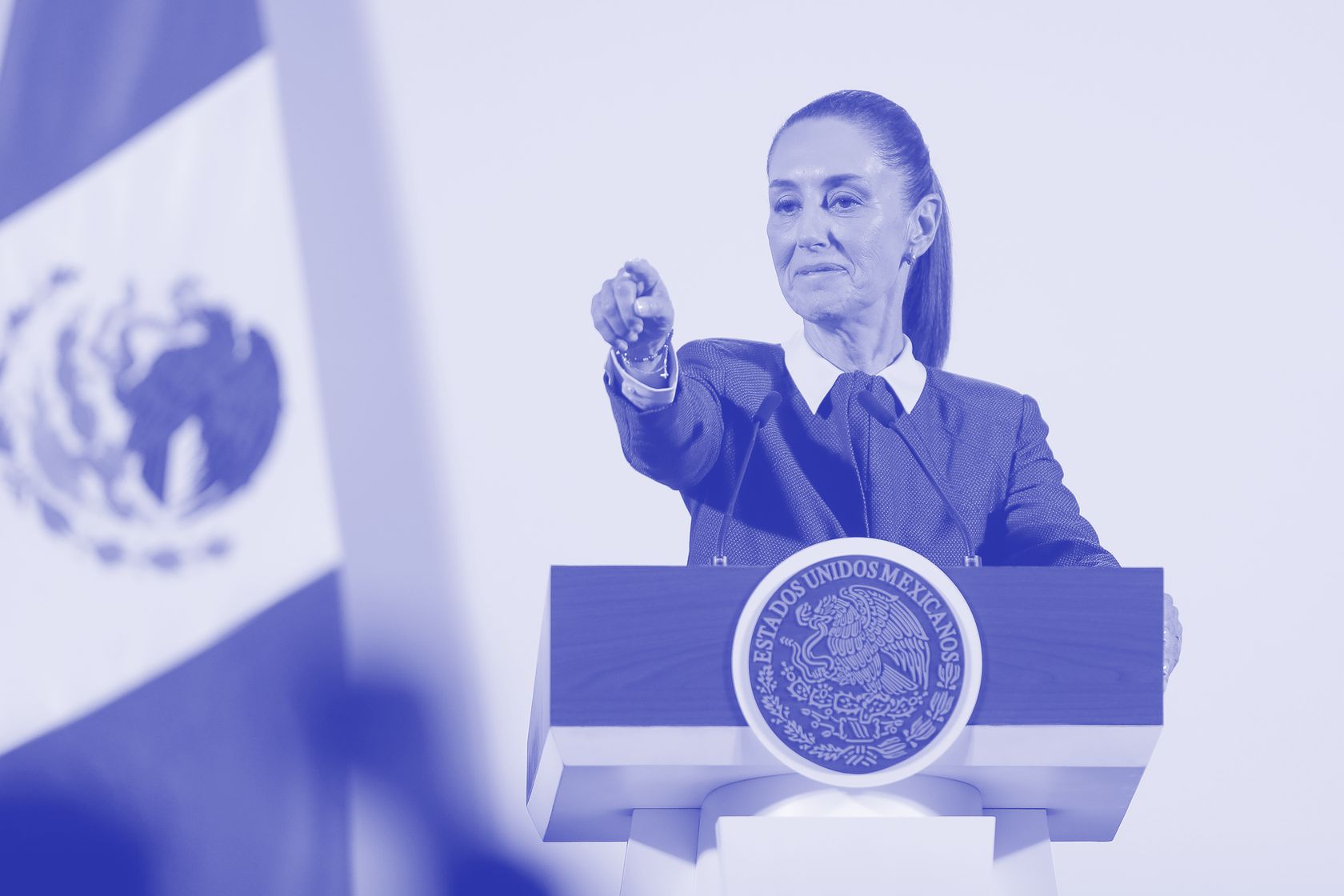
Markets trump: US President-elect Donald Trump’s threat to impose 25% tariffs on imports from Canada and Mexico and 10% on Chinese goods has prompted warnings from America's top three trading partners about economic harm and inflation risks. Trump tied the tariffs to controlling migrant flows and drug trafficking, specifically fentanyl. Mexican President Claudia Sheinbaum suggested Mexico could respond with levies of its own, while China declared, "No one will win a trade war." Automakers Ford and GM, reliant on cross-border supply chains, saw stock drops of over 2% and 7%, respectively, as the Mexican peso and Canadian dollar weakened. Analysts suggest Trump’s move is a negotiation tactic, with Capital Economics noting the potential for Canada and Mexico to come up with credible plans to avoid the tariffs. Despite the tensions, the S&P 500 marked its seventh consecutive gain, buoyed by tech stocks like Microsoft, as investors awaited the Federal Reserve minutes. (Bloomberg)(Reuters)
2.
Slim access: The Biden administration proposed expanding Medicare and Medicaid coverage to include weight-loss drugs, potentially giving 7.5 million Americans access to expensive treatments like Novo Nordisk’s Wegovy and Eli Lilly’s Mounjaro. Out-of-pocket costs could drop by up to 95%. Currently, Medicare covers these drugs – which cost as much as USD1,000 ($1,540) a month for the uninsured – only for conditions like diabetes, not obesity itself. The proposal, which could take effect in 2026 and cost an estimated USD35 billion over nine years, still requires formal review and faces potential challenges from the incoming Trump administration, which may face pressure to finalise the costly benefit. Critics, including Trump’s HHS nominee Robert Kennedy Jr, have questioned prioritising drugs over other obesity solutions.(Capital Brief)(White House)(CNN)
3.
Hedge rush: Multinational companies are stepping up foreign-exchange hedging strategies in response to currency volatility tied to Donald Trump’s re-election. A survey by MillTechFX this month found 94% of UK and US finance leaders are adjusting their hedging strategies post-election, Reuters reported. Trump’s proposed tariffs on goods from Mexico, Canada and China have pressured trade-sensitive currencies. The Mexican peso, the Canadian dollar and the euro are all weaker against the US dollar since the election. Healthcare and industrial firms are increasing interest in options and cross-currency swaps. The rising USD is eroding foreign revenues, which make up 41% of S&P 500 companies’ earnings. Tariff uncertainty, coupled with tight credit and higher hedging costs, is driving firms to reassess currency exposures. The peso, euro, and East Asian currencies are under particular focus as trade risks mount, while euro/dollar swaps are gaining popularity due to higher returns, according to the report. (Reuters)
4.
Adani fallout: Adani Group’s troubles deepened as Moody’s and Fitch downgraded their outlooks on the conglomerate after US authorities charged Indian billionaire Gautam Adani and others with a USD265 million ($410 million) bribery scheme. Moody’s downgraded its outlook on seven Adani firms, including Adani Ports and Adani Green, to negative, citing funding and cost concerns linked to the indictments. Fitch placed bonds from Adani Energy Solutions, Adani Electricity Mumbai and Adani Ports on "watch negative" and downgraded four senior unsecured dollar bonds to negative. Adani’s stock losses have reached $34 billion, with Adani Green hardest hit, closing 7.3% lower Tuesday. French oil major TotalEnergies halted investments in the Adani Group, Sri Lanka is reviewing the allegations’ impact on Adani’s projects, India’s Andhra Pradesh may suspend a power deal implicated in the alleged bribes, and Adani Wilmar delayed a planned stake sale. Adani denies all allegations. (Reuters)
5.
Citi crunch: Citigroup is slashing year-end promotions as part of its restructuring, according to The Financial Times. Only 2,000 employees may receive pay or title bumps, down from 8,000 previously, the report said. The cuts affect “in-seat promotions,” which provide raises and title upgrades without changing roles or responsibilities. Promotions will primarily go to staff taking on new roles, with pay raises capped at around 15%, described as a “guidepost” by a source. Citi disputed claims of a “significant decline in promotions,” saying earlier group-wide changes should factor into decisions. CEO Jane Fraser last year pledged to streamline operations and cut 20,000 jobs from Citi’s 229,000 staff. Regulatory scrutiny, including hundreds of millions in fines over risk management issues, has slowed layoffs, with no major cuts expected until next year. A source said Citi is considering cost-cutting measures like demotions or “re-levelling,” though the bank denied having such plans. (Capital Brief)(FT)
6.
Retail divide: A couple of US retail sector companies took a hit on earnings with Kohl’s and Best Buy unveiling earnings misses. Best Buy saw its 12th consecutive quarter of negative same-store sales, down 2.9% compared to estimates of a 0.92% decline, as appliance and entertainment sales fell sharply. The US largest consumer electronics chain cut its full-year outlook, citing potential price hikes from incoming tariffs proposed by president-elect Donald Trump. CEO Corie Barry attributed the weak performance to macroeconomic uncertainty and customers delaying purchases, sending shares almost 10% lower. Meanwhile Kohl’s shares plunged over 22% after reporting weaker-than-expected earnings and announcing CEO Tom Kingsbury will step down in January amid disappointing sales due to cautious consumer spending. Kingsbury became CEO in 2022 and will stay on as an adviser until May 2025. Michaels Stores CEO Ashley Buchanan, a Walmart veteran, will take over, becoming Kohl’s third CEO since 2018. (NYT)(Associated Press)
7.
UniCredit rejected: Banco BPM has rejected UniCredit's €10.1 billion ($16.37 billion) unsolicited takeover bid, saying the "completely unusual" bid undervalued the company and restricted its own strategic moves. “The terms of the offer do not in any way reflect BPM’s profitability and its further growth potential,” BPM said in a statement. The all-share €6.66 per share bid comes as UniCredit pursues bold cross-border expansion under CEO Andrea Orcel. After securing a 21% stake in Germany’s Commerzbank, Orcel described BPM as a “historical target,” – referring to UniCredit’s reported courting of the domestic peer in 2022. He is prioritising a pursuit of BPM after political backlash in Berlin stalled UniCredit’s push to increase its stake in Commerzbank to 29.9%. BPM’s board warned the bid could hinder its planned acquisition of asset manager Anima Holding and expose shareholders to risks linked to UniCredit’s German expansion plans. (Capital Brief)(Reuters)
8.
Intel grant: The US government has finalised a USD7.86 billion ($12.18 billion) grant for Intel to fund manufacturing projects in Arizona, New Mexico, Ohio and Oregon. The grant, reduced from an initial USD8.5 billion estimate in March, is in addition to a separate USD3 billion Pentagon award secured by Intel, the company said. The funding is part of the USD53 billion CHIPS Act to boost domestic semiconductor manufacturing, with Intel set to receive at least USD1 billion by December. Restrictions include a five-year stock buyback ban and provisions to share excess profits. Intel, whose shares are down 51% this year amid stiff competition from TSMC and Nvidia, will claim tax credits for 25% of eligible investments. (Intel)(WSJ)(Reuters)
