US Fed cuts rates amid Trump era uncertainty
Plus: Biden promises President-elect Trump peaceful transfer of power; Nissan to slash 9,000 global jobs, CEO takes pay cut; BoE trims rates, sees budget-induced inflation surge.


Good morning. Here's what happened overnight and what you need to know today.
1.
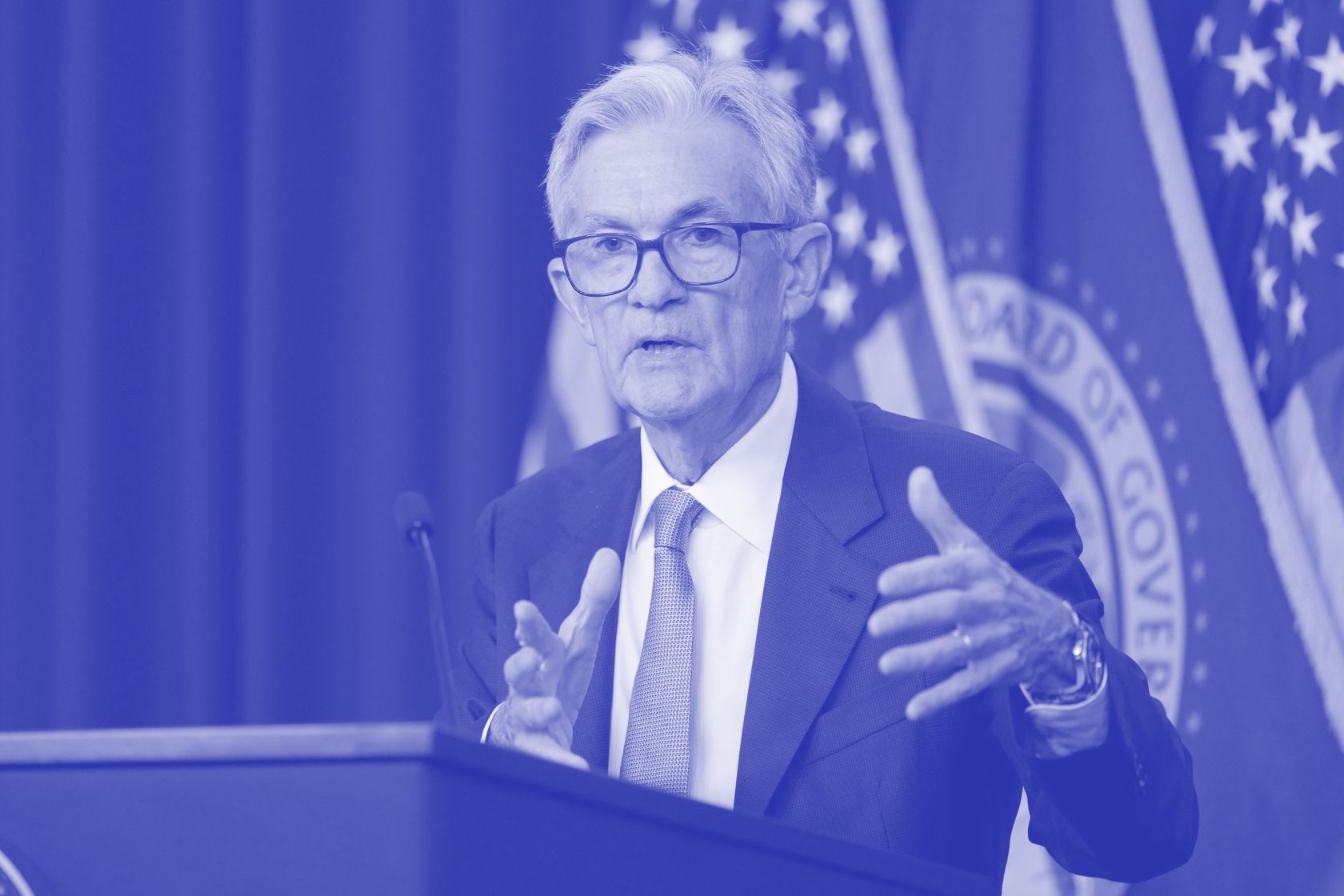
Fed puzzle: The Federal Reserve cut its benchmark policy rate by 0.25 percentage points, bringing it to the 4.50%-4.75% range. The move follows a jumbo 0.50-point reduction in September and comes amid shifting economic prospects under President-elect Donald Trump’s administration. Trump's election victory and potential policy changes involving tariffs, tax cuts, and immigration have clouded the economic outlook for growth and inflation. Fed Chair Jerome Powell – who Trump will likely allow to serve until his term ends in 2026, according to CNN - is holding a press conference this morning, but in a statement the bank said: "The Committee would be prepared to adjust the stance of monetary policy as appropriate if risks emerge that could impede the attainment of the Committee's goals." Post-election bond yield increases show investors expect fewer rate cuts ahead, with projections suggesting the Fed’s rate-cutting cycle could end by mid-2025 at 3.75%-4.00%, according to Reuters. That is well above the Fed’s 2.9% forecast from September. (US Fed)(Reuters)(CNN)
2.
What Americans deserve: Joe Biden pledged a peaceful transfer of power to US President-elect Donald Trump, acknowledging the election loss of his 2020 running mate Vice President Kamala Harris during an address from the White House. The president praised Harris while recognising the pain felt by his supporters, asking them to accept the result, saying “you can’t love your country only when you win.” Biden's acknowledgment followed Harris’ concession speech, both contrasting with Trump's refusal to concede in 2020. President-elect Trump, a convicted felon awaiting sentencing in his hush money case, is preparing to advance his agenda and may announce staff picks soon, according to CNN. He has pledged to dismiss Jack Smith, the special counsel handling federal cases related to the 2020 election and classified documents. Media reports suggest Smith may close these cases due to a Department of Justice policy barring the prosecution of a sitting president. Meanwhile, the extent of the Republican’s control of the Senate remains uncertain with races in Pennsylvania, Nevada and Arizona uncalled. House control is also unclear, though Republicans are expected to secure a narrow majority.(CNN)(NYT)
3.
Hybrid miss: Nissan will cut 9,000 global staff and its CEO, Makoto Uchida, will take a 50% pay cut as part of an emergency turnaround plan that will reduce production capacity by 20%. Unveiling a 2Q net loss of ¥9.3 billion ($90.84 million) in the three months to September, the company downgraded production forecasts and cut its full-year operating profit forecast by 70% to ¥150 billion. The automaker also said it will cut its stake in Mitsubishi Motors by 10 percentage points to 24% to raise up to ¥68.6 billion. Uchida, at the helm since 2019, said Nissan had misread demand for hybrid vehicles in the US. “This has been a lesson learned and we have not been able to keep up with the times,” he said. Uchida will forfeit half his compensation starting this month. The restructuring comes amid mounting challenges across the global car industry, as many automakers report falling profits amid fierce competition from Chinese EV manufacturers. (Capital Brief)(Nissan)(Bloomberg)(Reuters)
4.
BoE cuts: The Bank of England cut interest rates by 0.25 percentage points to 4.75%, in line with expectations, but warned the new government’s fiscal policies will likely keep UK inflation above its 2% target for longer than anticipated. The cut was supported by eight out of nine Monetary Policy Committee members amid inflation that dropped to 1.7% in September. The bank showed inflation was expected to rise above the target due to increased energy prices and Chancellor Rachel Reeves’ new budget. The budget, including a £70 billion ($136.46 billion) annual increase in spending largely funded by borrowing and higher employer national insurance contributions, would add 0.5 percentage points to inflation and 0.75% to GDP, it estimated. The announcement pushed the pound 0.5% higher, as traders pared bets on further cuts this year. At a press conference Bailey declined to comment on the impact of potential Trump tariffs, saying, “I am not going to make any presumptions. Let’s see what happens." (Capital Brief)(BoE)(Bloomberg)
5.
Government collapse: German opposition leader Friedrich Merz called for a confidence vote in the Bundestag by early next week following the collapse of Chancellor Olaf Scholz’s coalition government and the dismissal of his hawkish finance minister Christian Lindner. Merz and his popular conservative CDU/CSU alliance, backed by Lindner, who heads the liberal Free Democrats (FDP), want snap elections as early as January, countering Scholz’s proposed March timeline. Scholz wants to pass urgent economic measures before elections. Joerg Kukies, a former Goldman Sachs banker and Scholz's adviser, is set to replace Lindner. Bund yields rose about 6 basis points to 2.46% on Thursday (Friday morning AEDT). The CDU/CSU leads with over 30% in polls, ahead of Scholz’s SPD support of about 16%. Merz currently doesn’t have the support from a majority in the lower house of parliament to secure a no-confidence outcome, according to Bloomberg. (Bloomberg)(FT)
6.
Labour climb: Initial US jobless claims increased 3,000 to 221,000 last week, in line with expectations, while climbing labour costs heightened inflation fears. Continuing claims increased to 1.892 million, the highest since November 2021, with the rise attributed to the lingering impacts from Hurricanes Helene and Milton and a strike at Boeing that led to furloughs, which have now ended. Bureau of Labor Statistics data also showed unit labour costs advanced 1.9% in the quarter ending September, triggering concerns about inflation. Revised data showed Q2 labour costs previously thought to have risen 0.4% actually increased 2.4%. "At this pace, unit labor costs are incompatible with a return to 2% inflation in the context of stable profit margins and the Fed is going to have to rethink how much room it has to lower interest rates," said Conrad DeQuadros, an economist at Brean Capital. (Reuters)(Bloomberg)(DOL)
7.
Carlyle’s best: Carlyle Group results exceeded expectations with distributable earnings at USD367 million ($549.81 million) or 95 cents per share, above the expected 90 cents. The private equity giant reported record fee-related earnings of USD278 million, marking a 36% year-over-year increase and boosting operating margins to 47%. Carlyle capitalised on a favourable market environment, with major IPOs of StandardAero and Rigaku propelling performance fees up by 52% to USD276 million. Asset sales totalled USD6.8 billion, contributing to an overall 17% rise in assets under management to USD447 billion. CEO Harvey Schwartz described the quarter as one of Carlyle’s best in its history, attributing the strong performance to strategic initiatives and increased investment activity. However, the buyout fund lagged with just a 4% net annual return. Fundraising reached USD26 billion in 2024, on track for its USD40 billion annual target. Carlyle shares were trading 5.22% lower in late afternoon trading. (FT)(Reuters)
8.
Max deals: Warner Bros Discovery CEO David Zaslav said the incoming Trump administration will bring a more favourable environment for deal-making, potentially accelerating industry consolidation, Reuters reported. The comments were made at an investor call following the company’s Q3 earnings release. Warner reported a surprise quarterly profit of 5 cents per share, versus a 17 cent loss a year ago and an expected 9 cents, according to LSEG data, helped by cost controls and a record boost in streaming subscribers from Olympic coverage and the hit series The Penguin. Max, Warner’s streaming service, added 7.2 million subscribers, beating estimates and marking its strongest quarterly increase since launch. Shares rose as much as 16% after the results, before paring back some of the gains. Total revenue fell 2% to USD9.6 billion, below the USD9.81 billion forecast, as studio revenue dropped 17% due to a lack of major releases compared to 2023's Barbie. The direct-to-consumer segment's revenue rose 8% to USD2.6 billion, offsetting a decline in gaming revenue.(Reuters)(Bloomberg)
