US Fed delivers 25bp cut, Miran alone pushes for deeper cut
Plus:ADNOC-led group pulls $36b bid for Santos 48 hours before deadline; IREN insiders bank $99m as shares hit new highs; China bans top tech firms from buying Nvidia chips: FT

Good morning. Here's what happened overnight and what you need to know today.

1.
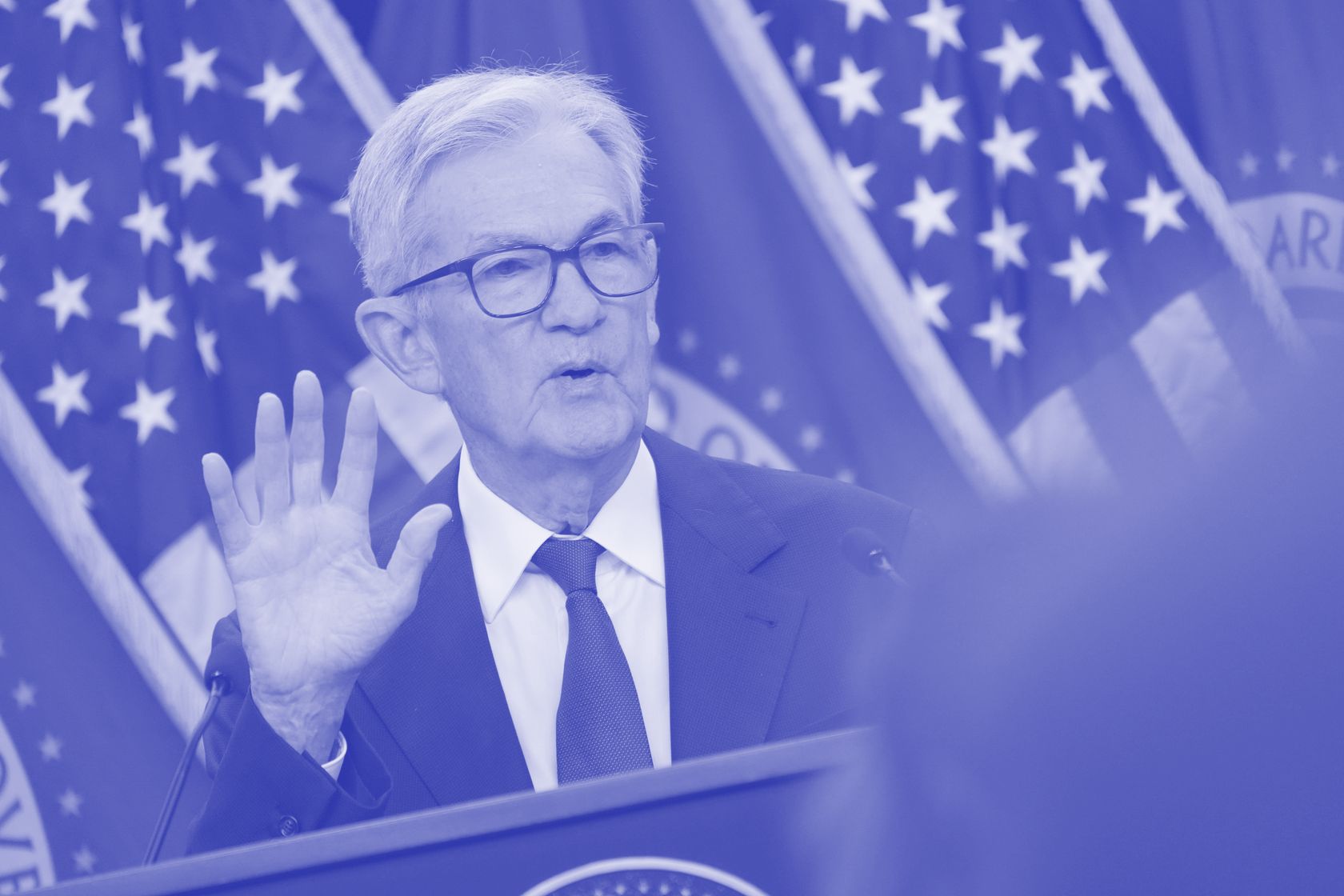
Dovish mood: The US Fed cut interest rates by 0.25 percentage points to a range of 4% to 4.25%, its first reduction in nine months. Officials said the move reflected a “shift in the balance of risks,” citing increased downside risks to employment. A narrow majority of policymakers projected another half-point of rate cuts this year, likely delivered at the remaining meetings in October and December. The meeting took place under unusually tense circumstances, including the court-affirmed participation of Governor Lisa Cook after President Trump’s attempt to remove her, and the swearing-in of new Governor Stephen Miran just before the meeting began. The decision was not unanimous, with Miran dissenting in favour of a larger half-point cut. Miran is taking unpaid leave from his role as a senior economic adviser to Trump, who has repeatedly attacked Fed Chair Jerome Powell for not slashing rates. The cut followed signs of labour market weakness and what the Fed said was “somewhat elevated” inflation. Its forecasts show inflation above target until 2028. But “it was really the risks that we're seeing to the labour market that were the focus of today's decision,” Powell said. (Capital Brief)(US Fed)(Bloomberg)(NYT)
2.
No deal: Abu Dhabi National Oil Company's international investment arm, XRG, abandoned its $36.4 billion pursuit of Santos just 48 hours before a binding deadline was due to be tabled with the Australian gas producer. In a statement, XRG says that the consortium led by XRG alongside Abu Dhabi sovereign fund ADQ and Carlyle maintains a positive view of the business. However, “following a comprehensive evaluation, and taking into account all commercial factors and the terms of the Scheme Implementation Agreement required by the Santos Board, the Consortium has determined that it will not be proceeding with the proposed transaction.” While “disappointed” the consortium said the process “reinforced our confidence in Australia’s energy and investment environment.” The news ends a months-long takeover saga that would have made the all-cash deal the largest in Australian history. (Capital Brief)
3.
Pay day: Former Macquarie VPs Dan and Will Roberts each sold one million IREN shares last week, SEC documents show, pocketing USD33 million ($49.5 million) each as the data centre company hit fresh all-time highs. IREN’s stock has jumped 50% since 8 September, when the company revealed it had bought about 9,000 Nvidia Blackwell chips for its AI data centre services. The rally has pushed IREN’s market value past USD10 billion. The Roberts brothers still hold large stakes of about 6% each. IREN is headquartered in Sydney but listed on the Nasdaq, with operations spread across North America. The company generated USD501 million in revenue last financial year, up 168% year-on-year, with net profit of USD86 million. The first two months of the new financial year point to more strong growth, with revenue of USD165 million in July and August alone. (Capital Brief)
4.
Beijing Ban: China’s internet watchdog ordered the country’s biggest technology companies to stop buying Nvidia’s AI chips, as Beijing ramps up efforts to compete with the US, according to sources cited by the Financial Times. The Cyberspace Administration of China reportedly told companies including Alibaba and ByteDance earlier this week to stop testing the chips and cancel existing orders. Before the order, several companies had signalled plans to order tens of thousands of the products which Nvidia had introduced to circumvent restrictions on the shipment of advanced AI chips to China, the FT reports. The ban is the latest escalation in US-Chinese competition on semiconductors, after Chinese authorities issued guidance in August telling companies not to use Nvidia’s H20 chips over security concerns. The move comes just days after Beijing accused Nvidia of violating its anti-monopoly law over the US chipmaker’s USD6.9 billion ($10.4 billion) acquisition of Mellanox in 2020. (FT)(Capital Brief)
5.
Muted response: Wall Street wobbled on Wednesday after the Federal Reserve delivered a widely expected rate cut and signalled more to come, sending stocks into choppy trade. The Dow climbed 0.57% while the S&P 500 fell 0.10% and the Nasdaq slipped 0.33%, as traders digested the Fed’s outlook. The decision capped a volatile session that saw equities rally, dip, then stabilise as investors weighed Powell’s remarks and the updated dot plot. Meanwhile, Reuters reported citing sources that Strava is preparing for a US IPO as early as 2026 and has approached Goldman Sachs, JPMorgan and Morgan Stanley. The company was valued at USD2.2 billion in May and has over 150 million users. Elsewhere, Bloomberg reported mortgage documents show Treasury Secretary Scott Bessent pledged two homes as his “principal residence” in 2007, the same issue cited by Donald Trump in trying to oust Fed Governor Lisa Cook, who remains in her post pending a court challenge. (Bloomberg)(Reuters)(WSJ)
6.
Class-less action: A divided US SEC handed a victory to companies planning to go public and wanting to shield themselves from investor class action lawsuits. In a 3-1 party-line vote, the commission reversed a long-standing but unwritten policy that had blocked IPOs by companies seeking to ban shareholder class actions in their charters and bylaws. The change allows such firms to require investors to resolve fraud or other claims through arbitration rather than in court. "The commission is not a merit regulator that decides whether a company's particular method of resolving disputes with its shareholders is good or bad," SEC Chair Paul Atkins said at a public meeting. The lone Democrat, Caroline Crenshaw, said the move denies shareholder rights and helps keep alleged misdeeds hidden. Corporate interest groups and Republicans support arbitration to reduce litigation, while consumer advocates and plaintiffs lawyers argue court action ensures accountability. Senator Elizabeth Warren expressed “deep concern,” while law professor Ann Lipton called the change damaging to the public interest. (Reuters)(FT)
7.
Pooling power: Small businesses are taking home a shrinking proportion of national income, with new research raising concerns that large corporates will continue outpacing entrepreneurs and the self-employed unless there is a significant overhaul of red tape. Research from the Institute of Public Affairs (IPA), shared exclusively with Capital Brief, shows a sharp shift in the division of national income between large corporates and small family businesses, entrepreneurs and startups. In the five years to 2024, the corporate share of national income increased to 28.5% from 26.5%, the research shows. For smaller businesses, the share fell to 7% from 8.75%. In the 1960s, small businesses took in more than 25% of national income. The right-leaning think tank argues that policies favour less ownership among “ordinary Australians” and are singling out red tape and net zero energy policies as driving up the cost of doing business. (Capital Brief)
8.
Volatile debut: Shares in ticket resale platform StubHub fell below their IPO price on Wednesday after briefly jumping 19% in early trading. The loss-making company raised approximately USD800 million ($1.2 billion) by selling 34 million shares at USD23.50 each, valuing it at up to USD9.32 billion. Shares peaked at USD27.89 before dropping 5.6% to close at USD22.17. The delayed listing follows years of preparation and comes amid the strongest US IPO window since 2021. CEO Eric Baker called the IPO a “deleveraging event” to raise capital and pay down debt. He reacquired StubHub in 2020 after Viagogo, another ticketing company he founded, agreed to buy it for USD4.05 billion. It faces a lawsuit in Washington, DC, inquiries in two states and wider regulatory scrutiny of the ticketing industry. Meanwhile, shares in crypto exchange Gemini Space Station also dropped below their IPO price just days after listing. (Capital Brief)
