US Fed on soft landing path with gradual cuts
Plus: Murdoch's REA ends Rightmove pursuit after fourth bid rejected; Israel in Lebanon commando raids ahead of imminent incursion; US dockworker strike threatens trade flow.


Good morning. Here's what happened overnight and what you need to know today.

1.
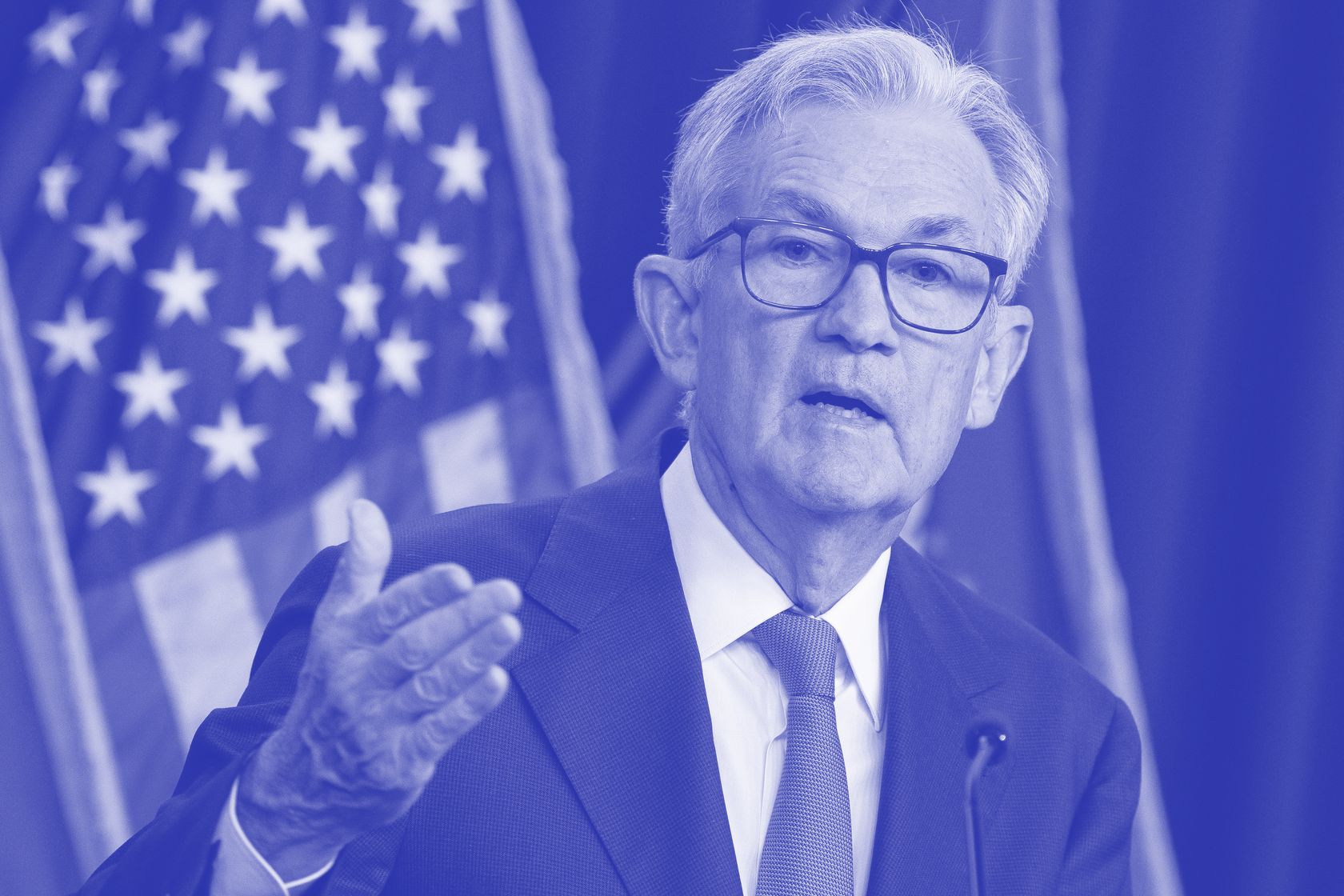
Fed path: US Federal Reserve Chair Jerome Powell signalled the central bank will continue lowering interest rates gradually to support economic growth and employment, aiming for a "soft landing" where inflation reaches the 2% target without a surge in joblessness. Following the Fed’s jumbo half-percentage point cut in September, Powell said the bank is not on a course for aggressive rate cuts and is instead focused on preventing a downturn rather than reacting to one. “We are recalibrating policy to maintain the strength in the economy, not because of weakness,” Powell said. “The economy is in solid shape; we intend to use our tools to keep it there. If the economy evolves broadly as expected, policy will move over time toward a more neutral stance.” A further rate cut of at least 0.25% is widely expected at the upcoming 6-7 November meeting. (Capital Brief)
2.
REA rejected: Rupert Murdoch's REA Group has ended its pursuit of UK property portal Rightmove after four takeover bids were rejected. REA's final offer, valuing the UK group at £6.2 billion ($11.97 billion), was deemed unattractive, with Rightmove saying it "materially undervalued" the company. REA does not intend to make a new offer for Rightmove, the company said in a statement to media. It cited a lack of "meaningful engagement" and information from Rightmove. Rightmove's shares closed 7.66% lower. Earlier in the day, Rightmove had pushed REA to put forward its “best and final proposal,” and dismissed its request to extend the Monday deadline to make a firm offer. REA CEO Owen Wilson said the company was "disappointed" with Rightmove's limited engagement. But Rightmove said it had taken every call from REA and held meetings, but nothing shifted its view that REA’s offer was insufficient. (Capital Brief)
3.
Israel incursion: Israeli commando raids into Lebanon intensified in preparation for an imminent, limited ground invasion against Hezbollah, with unnamed US officials telling The New York Times they’ve managed to dissuade Israel from a full-scale assault. Defence minister Yoav Gallant told council heads in northern Israel that the next phase of the war along Lebanon’s southern border would begin soon, Reuters reported. Israel targeted the Cola neighbourhood in Beirut, killing members of the Popular Front for the Liberation of Palestine in the first known strike on central Beirut since 2006. Hamas’ leader in Lebanon, Fateh Sherif, was killed with his family in an airstrike on a Palestinian refugee camp in southern Lebanon. Meanwhile, Hezbollah’s deputy leader, Naim Qassem, vowed the group is ready for a ground invasion following the death of its leader Hassan Nasrallah, and Prime Minister Netanyahu warned Iran that Israel can strike anywhere in the Middle East. (Associated Press)(Reuters)(NYT)
4.
Port strike: The union representing US dockworkers signalled that about 45,000 workers at 36 US East and Gulf Coast ports will stop working from Tuesday morning (Wednesday AEST) amid an ongoing standoff over labour talks with employers. The strike threatens to disrupt nearly half of all US trade, impacting supply chains and potentially raising prices ahead of the peak holiday season. The International Longshoremen’s Association (ILA) is set to strike if no agreement is reached by 12:01 am on Monday local time, when contracts expire. It blames the United States Maritime Alliance (USMX), which represents the ports, for failing to reach an agreement, citing unacceptable wages offered despite its “billion-dollar profits.” The union is demanding higher wages and a ban on automation for freight handling. President Joe Biden said he won’t intervene, while industry experts warned long-term ripple effects across supply chains.(Associated Press)((Bloomberg)
5.
OpenAI funding: SoftBank is set to invest USD500 million ($723.76 million) in OpenAI’s current USD6.5 billion funding round, which values the AI start-up at USD150 billion, according to reports from The Information and the Financial Times. The deal through SoftBank’s second Vision Fund will be SoftBank’s first into OpenAI and is expected to close this week, according to the reports. It comes following reports Apple has withdrawn from discussions to join the founding round, and as co-founder and CEO Sam Altman explores the possibility of taking a direct equity stake for the first time. (The Information) (Reuters)
6.
AI alternatives: China’s ByteDance plans to develop a new AI model using Huawei’s Ascend 910B chips amid US export restrictions on advanced AI chips from Nvidia, Reuters reported citing three sources. The TikTok parent has shifted to using domestic chip suppliers for artificial intelligence and sped up its own chip development since the US began restricting exports of advanced AI chips in 2022. ByteDance currently uses the Ascend 910B for less demanding inference tasks so the planned model would be less powerful than its existing Doubao AI, one of the sources said. Supply constraints have delayed the plans and prevented ByteDance from even setting a timeline for the new model, according to the report. ByteDance denied a new model was being developed, while Huawei did not respond to Reuters’ request for comment. (Capital Brief)
7.
Epic feud: Epic Games has expanded its legal battle against Google, filing a lawsuit alleging Google is conspiring with Samsung to block rival app marketplaces on Android devices through default settings. The lawsuit claims Samsung's 'Auto Blocker' feature, made default in July, restricts downloads to only the Google Play Store and Samsung Galaxy Store, limiting competition. Epic argues Google is trying to undermine an expected ruling, by US District Judge James Donato, that is expected to enforce changes to Google Play policies after a jury found Google stifles competition. Samsung and Google said they plan to contest Epic claims, defending the feature as prioritising security and user control. Epic seeks to halt Google's alleged anticompetitive actions and is claiming damages. (Bloomberg)
8.
TV deal: DirecTV will acquire EchoStar's video distribution businesses Dish Network and Sling TV to create the largest US pay-TV provider, in a deal seen as essential to the businesses' survival as streaming services draw millions of traditional TV viewers. Earlier, TPG said it would buy the 70% stake in DirecTV it doesn’t already own from AT&T for USD7.6 billion ($10.99 billion) in cash. DirecTV will pay a nominal USD1 and assume USD9.75 billion of Dish's debt. The deal will create a TV provider with around 20 million subscribers. "The Company's (DirecTV’s) acquisition of Dish TV and Sling TV positions it to again provide more choices and better value in an industry currently dominated by large streaming platforms,” TPG’s partners David Trujillo and John Flynn said in a joint statement. (Capital Brief)
