US Fed starts easing cycle with half point rate cut
Plus: Hezbollah walkie-talkies explode in second day of remote blasts; Google dodges $2.5b EU antitrust fine; Aussie cops bust cybercrime Ghost network in global sting.


Good morning. Here's what happened overnight and what you need to know today.

1.
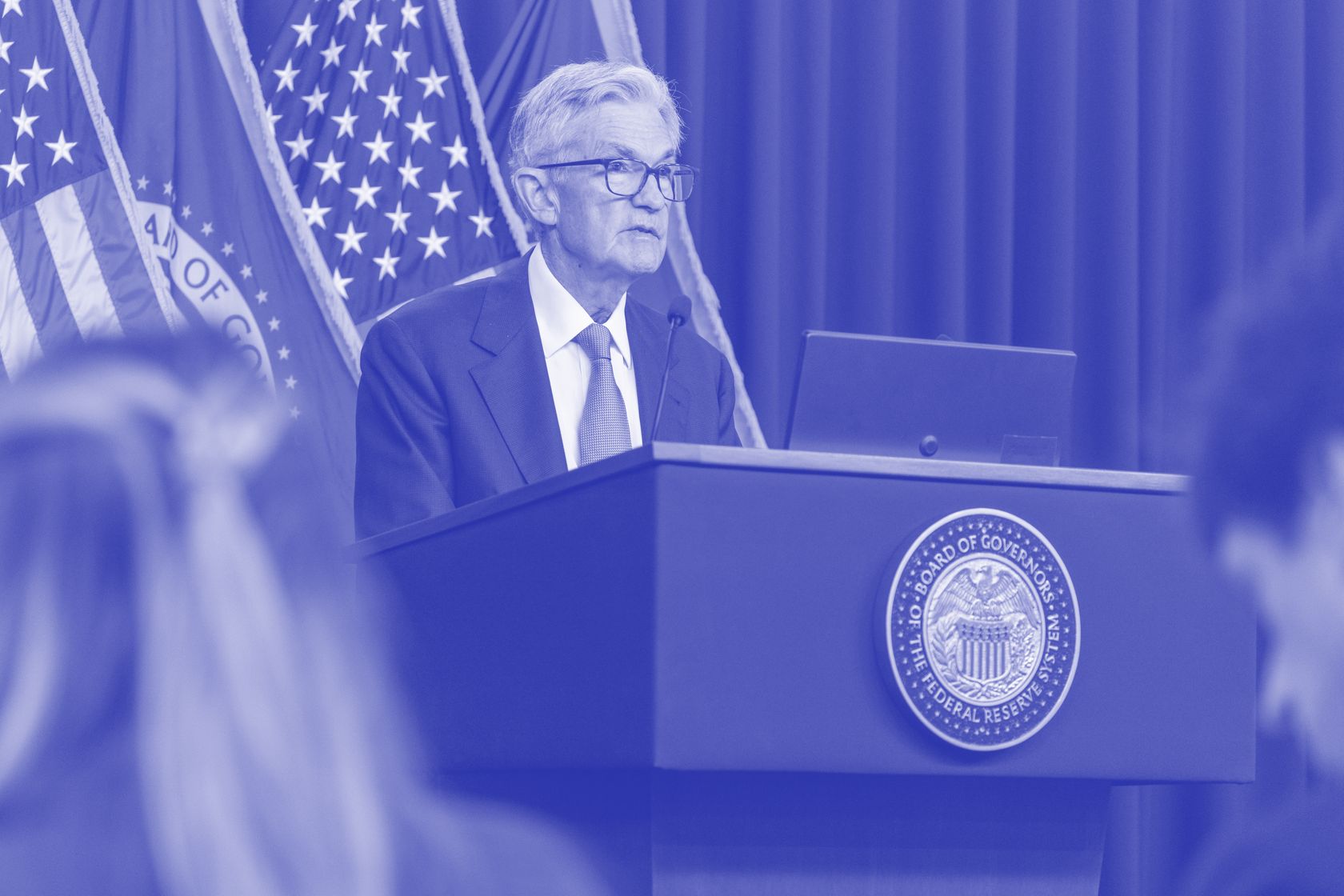
Easing starts: The US Fed cut its benchmark interest rate by 0.5 percentage points to a range of 4.75% to 5% following concerns over the labour market. The decision saw an 11-1 vote, with Governor Michelle Bowman dissenting in favour of a smaller 0.25-point cut, the first by a Fed board member since 2005. A narrow majority of officials also projected another half-point cut by year-end. The Fed's updated forecasts reflected concerns over the economic outlook, with unemployment expected to rise to 4.4% by the end of 2024, higher than the 4% expected in June. The median year-end inflation forecast fell to 2.3%, along with the median projection for economic growth, which fell to 2%. Economic forecasts had leaned toward a smaller 0.25-point cut, but concerns about a weakening labour market and slowing growth ultimately led to the larger decision. The S&P 500 rose to be almost 1% higher in intraday trading before paring gains. Treasury yields and the Bloomberg Dollar Index also immediately fell following the move. (Capital Brief)
2.
Radio blasts: Hand-held radios used by Hezbollah detonated across the Lebanese militant group’s strongholds of southern Lebanon and Beirut, adding to the chaos caused by pager explosions a day earlier, and escalating tensions between Israel and the Iran-backed militia. Media outlets reported multiple explosions near a funeral for Hezbollah members and a child, and hand-held radios exploding in southern Lebanon and Beirut’s suburbs. Axios said Israel blew up thousands of two-way personal radios used by Hezbollah members in Lebanon, citing two unnamed sources with knowledge of the operations. The death toll stands at 26, including two children, and over 3,000 wounded over the two days. Israel has not commented, but an unnamed US official told The Associated Press Israel had briefed the US after the attack on Tuesday. In retaliation for the blasts, Hezbollah launched rocket attacks on Israeli artillery positions, further heightening tensions and raising the prospect of an all-out war with Israel. While Israeli Defense Minister Yoav Gallant said forces were shifting north, marking the start of a new phase in the war. (Capital Brief)
3.
Unfined: Google won an appeal against a €1.49 billion ($2.45 billion) antitrust fine from the European Union, as the EU General Court annulled a 2019 ruling related to its AdSense platform. The European Commission had found Google abused its dominance from 2006 to 2016 by blocking websites from using ad brokers other than its platform. But it had failed to demonstrate that Google's contractual clauses deterred innovation or harmed consumers, the court said, annulling the fine. The Commission may appeal the decision on “limited points of law only”. The victory follows Google’s defeat last week in another EU case, where a €2.42 billion fine was upheld for favouring its own shopping services. In a separate ruling, the court slightly reduced a 2019 fine imposed on Qualcomm for predatory pricing, from €242 million to €238.7 million. (Capital Brief)
4.
Ghost busted: Australian police, as part of a global operation, dismantled an encrypted messaging platform called Ghost, used by criminal syndicates for drug trafficking and ordering killings. Authorities in Australia, France, Sweden, Canada, Ireland and Italy made 51 arrests, including 38 in Australia, with more expected, Reuters reported. The platform’s alleged administrator, 32-year-old Jay Je Yoon Jung, was charged in Sydney with running the app since 2017. The app was used by motorcycle gangs, Middle Eastern and Korean syndicates and other organised crime groups. Police accessed encrypted communications via software modifications, preventing 50 deaths or serious injuries. Europol described it as a major blow to global crime, seizing drugs, weapons, and €1 million ($1.64 million). (Reuters)(AP)
5.
Lawsuit dismissed: Meta Platforms won the dismissal of a lawsuit accusing it of misleading shareholders about the financial impact of Apple's iOS privacy changes and former COO Sheryl Sandberg's alleged misuse of company resources. US District Judge Yvonne Gonzalez Rogers ruled that the plaintiffs, led by Israeli insurers and pension funds, failed to show that Meta's disclosures in 2021-2022 were false or misleading. The lawsuit alleged Meta's stock drop of 53%, wiping out more than USD500 billion in value, was caused by revelations about Apple’s changes and Meta’s transition to Reels. The court found no proof that the Apple privacy changes or Reels adoption harmed Meta’s financial performance, nor were the claims about Sandberg substantiated. The lawsuit was dismissed with prejudice, meaning it cannot be refiled. Meta declined to comment. (Reuters)
6.
Inflection pass: Microsoft’s hiring of AI startup Inflection’s staff, including co-founders Mustafa Suleyman and Karen Simonyan, will not face scrutiny under European Union merger rules, EU antitrust regulators said. The European Commission said seven EU countries withdrew their requests to review the deal following a ruling by Europe's top court prohibiting the EU enforcer from examining merger cases that fall below the bloc’s revenue threshold. The decision prevents the Commission from encouraging national authorities to take up such cases. Microsoft hired most of Inflection's 70-person team in March to bolster its AI unit. While the Commission deemed the move a merger due to a shift in Inflection's business, Microsoft has said the hiring promotes competition and should not be classified as a merger. (Reuters)
7.
Drone tremor: A Ukrainian drone attack triggered a massive explosion at a Russian ammunition depot in the Tver region, west of Moscow, forcing the evacuation of a nearby town. The explosion was large enough to be detected as a small earthquake, with NASA satellites picking up heat sources from space. Ukrainian President Volodymyr Zelenskiy praised the precision of the attack, which targeted a depot storing missiles and bombs, Reuters reported. Russian authorities initially reported fires and evacuations but did not disclose full details of the damage. Russian military bloggers questioned the vulnerability of the facility, but Russian media remained largely silent, with reports focused on Ukraine’s simultaneous drone activity. Local anger grew as residents reported destroyed homes in nearby villages. No fatalities were confirmed, and evacuated residents were allowed to return once the fire was contained. (Reuters)
8.
Boeing woes: Boeing will furlough tens of thousands of US-based employees, including executives, amid an ongoing strike involving 30,000 machinists that has halted production of its 737 MAX, 777 and 767 aircraft. The strike, which began on 12 September, follows a resounding rejection of Boeing's offer of a 25% raise, well below the union's demand for a 40% increase over four years. Talks with the International Association of Machinists and Aerospace Workers, mediated by federal officials, resumed Wednesday but remain contentious. "We are initiating temporary furloughs over the coming days that will impact a large number of US-based executives, managers and employees," CEO Kelly Ortberg said in an email to employees. "We are planning for selected employees to take one week of furlough every four weeks on a rolling basis for the duration of the strike," he said, adding executives will also take pay cuts. (Reuters)
