US House passes aid deal for Ukraine, Israel and Taiwan
Plus: Another TikTok ban also passes the US House; Treasurer Jim Chalmers signals a weaker growth outlook; Tesla cuts prices in the US, China and Europe amid weak demand.
Good morning. Here's what happened overnight and what you need to know today.
Get Standup in your inbox Signed up to Standup
1.
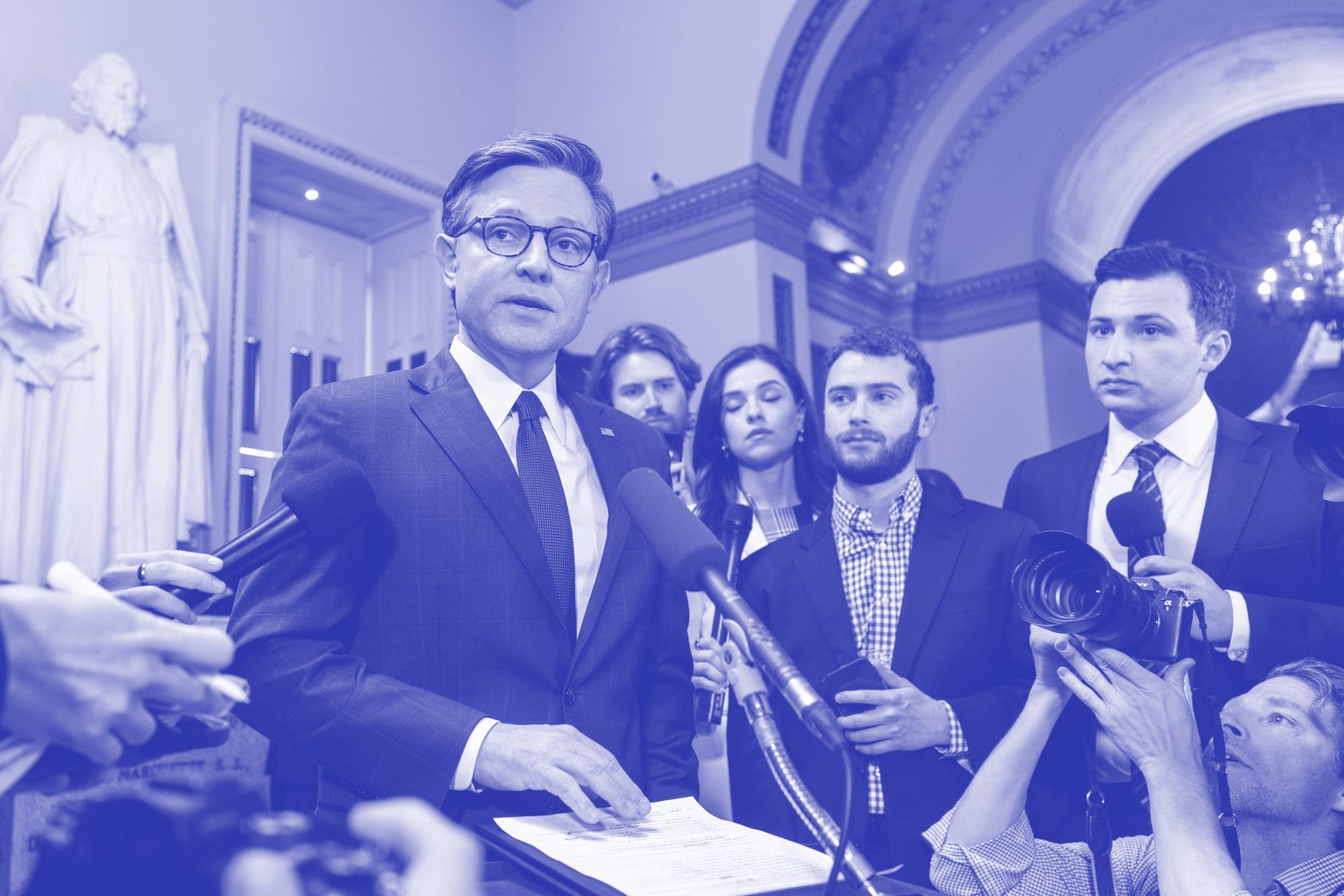
Cash flow: The US House of Representatives has passed a USD95 billion ($148 billion) legislative package which provides support to Ukraine, Israel and Taiwan. The bills, which will go before the Senate on Tuesday, provide USD60 billion in support for Ukraine to replenish its arsenal in its war with Russia, USD26 billion for Israel — including $9.1 billion set aside for humanitarian aid, including in Gaza — and USD8.12 billion for the Indo-Pacific region including Taiwan. The package has been controversial in the House, with its constituent bills strongly opposed by some Republicans and Democrats both in the media and the final vote tally. It passed on a bipartisan basis through a strong appeal to centrist factions in both parties, with Republican House Speaker Mike Johnson muscling through tough opposition in his party to the Ukraine bill in particular. The Senate is expected to pass the bill sometime this week and send it to President Biden to sign. (Reuters)
2.
TikTok woes: The House also once again passed a bill that could ban TikTok from the US unless Chinese parent company ByteDance divests its US assets. The 21st Century Peace through Strength Act was included in the foreign aid package to sweeten the overall deal for conservatives and to ease the passage of a potential TikTok ban through the Senate. The bill would give ByteDance up to a year to divest, an increase from the six months mandated by the previous bill. "It is unfortunate that the House of Representatives is using the cover of important foreign and humanitarian assistance to once again jam through a ban bill that would trample the free speech rights of 170 million Americans," TikTok said in a statement. The company is also set to remove Erich Andersen, the general counsel it tasked with fending off US government action, Bloomberg reported, citing unnamed sources. (Reuters) (Bloomberg)

3.
Weaker outlook: Treasurer Jim Chalmers has warned that conflict in the Middle East and persistent inflation will slow economic growth in Australia's key trading partners, contributing to a "fraught and fragile" global outlook that may lead to downgrades of growth forecasts in the May budget. Speaking ahead of the March quarter inflation data, set to arrive on Wednesday, Chalmers pointed to weak growth forecasts in China, the United Kingdom and Japan as an indication of the challenging global forces facing the Australian economy. Inflation is widely expected to have slightly increased in the first quarter. (AFR)
4.
Screeching halt: Electric carmaker Tesla spent the weekend slashing prices in the US, Europe and Asia amid cratering demand and inventory oversupply. In the US, the cheapest version of the Model Y is now USD42,990, with the cost of its Full Self-Driving software package cut from USD12,000 to USD8,000. The cuts follow CEO Elon Musk's announcement of a 10% reduction in the company's 140,000-strong headcount. Tesla is set to report its first-quarter earnings on 23 April. Its stock is down 40% this year in response to the sales slump, increased competition from cheaper Chinese EVs and Musk's blue sky commitment to autonomous driving. (Bloomberg)
5.
Photo pull: Social media platform X said it plans to challenge an order by Australia's eSafety Commissioner to pull down images and video of the alleged stabbing of Bishop Mar Mari Emmanuel last week in a Sydney church. The company said in a post that the regulator demanded it remove the widely shared imagery of the alleged attack or face a daily fine of $785,000. The eSafety Commissioner said in a statement that it would work to ensure X's compliance with Australian law. X, under the stewardship of Elon Musk, has in recent months dedicated itself to legal challenges against governments and other entities over free speech matters, including a fight with Brazil's Supreme Court. (Reuters)(X)
6.
Strained ties: Leaders in Israel are strongly criticising an expected decision by the US to impose sanctions on a unit of the Israeli military. Netzah Yehuda, or Judea Forever, is a unit of ultra-Orthodox soldiers based in the occupied West Bank that has been linked to abuses against Palestinians. The decision, expected Monday, would be the first time the US has imposed sanctions on an Israeli military unit, and would cause a significant strain in the already-challenged relationship between the two countries. “If anyone thinks they can impose sanctions on a unit in the IDF, I will fight it with all my might,” Israeli Prime Minister Benjamin Netanyahu said. (Associated Press)
7.
Gold rush: China's central bank has been on a buying spree of gold for 17 consecutive months, its longest-ever run of purchases helping the commodity hit record highs above USD2,400 an ounce this year. The allure of gold has strengthened on the back of tensions in the Middle East and the prospect of lower US interest rates, but strong demand from Chinese consumers and investors alongside the intense buying interest from the central bank are also strong drivers. China and India typically are the two largest buyers of gold, though China edged out its rival as of last year. Analysts expect this purchasing activity to remain strong through 2024. (Bloomberg)
8.
Safety spending: Asset management giant BlackRock more than tripled its spending on home security for chief executive Larry Fink as a precaution due to escalating threats from fringe activists opposed to the company's investing strategy around environmental, social and governance factors. BlackRock paid USD563,53 to upgrade Fink's "home security systems" last year, according to executive compensation disclosures by the company. BlackRock has been singled out by "anti-woke" activists for its ESG stances, including numerous pointed references during the Republican Party primaries. (Financial Times)