US inflation ticks up, Fed cut in focus
Plus: Albanese to unveil must-pay plan for Meta, Google; Grocer giant Albertsons wants billions from rival Kroger over deal collapse; US lawmakers eye major insurer-pharmacy shakeup, says WSJ.


Good morning. Here's what happened overnight and what you need to know today.

1.
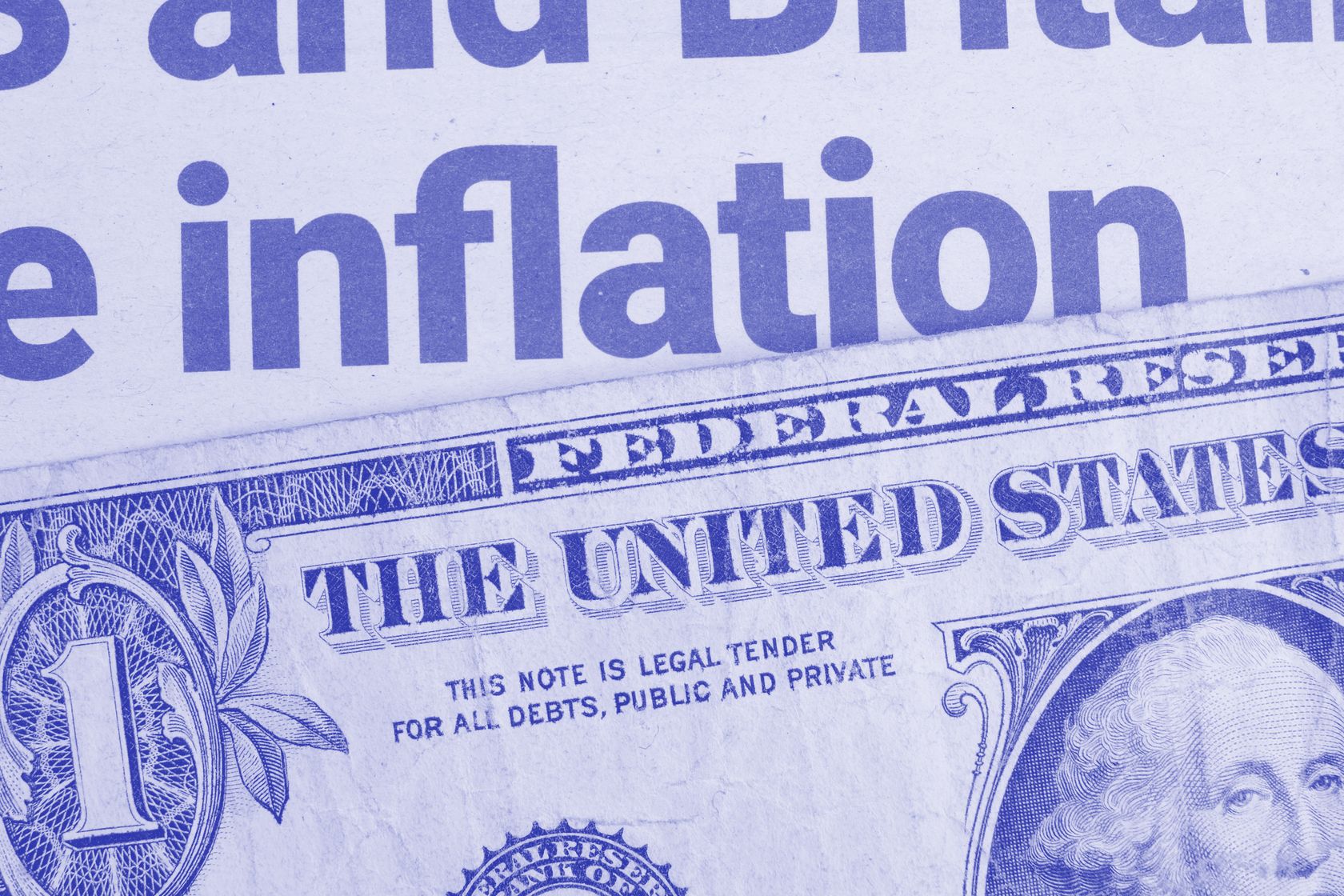
CPI path: US inflation rose to 2.7% in November from 2.6% in October, according to the Bureau of Labor Statistics, as monthly CPI increased by 0.3%, matching forecasts. Core CPI, excluding food and energy, also rose 0.3% month-on-month and 3.3% annually. Shelter costs, making up nearly 40% of the CPI rise, saw their smallest monthly gain since 2021. Food, vehicles and medical care also contributed to the increase. The data comes as Federal Reserve officials prepare for their final meeting of the year and Donald Trump’s return to the White House. Traders are nearly fully pricing in a 25-basis-point rate cut at next week’s meeting. “November’s sturdy core CPI reading will inflame worries among the FOMC minority that disinflation has stalled,” Bloomberg economist Anna Wong said, adding that goods prices have lost disinflation momentum, with the monthly inflation pace still above the Fed’s 2% target. Elsewhere the Bank of Canada opted for a bumper cut to boost growth. (Capital Brief)(Bureau of Labor Statistics)(Bloomberg)
2.
Play-or-pay ultimatum: The Albanese government is expected to unveil a plan forcing tech giants like Meta and Google to negotiate content deals with Australian news publishers or face financial penalties, according to media reports. The move follows Meta’s February withdrawal from deals under the 2021 bargaining code, which delivered USD600 million to publishers but is now considered “broken.” The proposed scheme, reportedly tied to company revenue, aims to prevent platforms from simply withdrawing news content to avoid obligations, as Meta did in Canada last year. A parliamentary inquiry earlier this year recommended a digital platform levy to support public interest journalism and address social harms linked to tech platforms. Media companies, including Seven and Nine, warn of job losses without renewed deals, while Google has signalled interest in renegotiating at lower rates. Consultation on the scheme’s specifics is reportedly ongoing. (Capital Brief)(AFR)(The Australian)(The Guardian)(The Daily Telegraph)
3.
Non-deal aftermath: US supermarket chain Albertsons sued its rival and would-be acquirer Kroger after it terminated their proposed USD25 billion ($39.24 billion) merger agreement following rulings by federal and state judges that blocked the deal. The merger would have created the largest grocery chain in US history with 5,000 stores, but has faced fierce regulatory opposition since it was agreed in 2022. On Tuesday, a US District Court in Oregon and a Washington state court granted injunctions and agreed with the FTC’s concerns that the merger would harm competition, raise prices and weaken union bargaining power. Albertsons accused Kroger of breaching the merger agreement by failing “to exercise best efforts” to secure regulatory approval, seeking billions in damages, including a USD600 million termination fee, it said. Kroger denied the claims, alleging Albertsons breached the deal multiple times. Elsewhere, Hershey Trust Co, the main owner of the chocolate maker, rejected a preliminary takeover offer from Mondelez International, Bloomberg reported. (Albertsons statement)(Kroger statement)(NYT)(FT)
4.
Pharma crackdown: US lawmakers are set to introduce Senate and House bills requiring health insurers or so-called pharmacy-benefit managers (PBMs) to divest their pharmacy operations within three years, The Wall Street Journal reported. The bipartisan push to regulate PBMs comes to address concerns over PBMs’ influence on drug prices and their affiliated pharmacies. Sponsored by Senators Elizabeth Warren and Josh Hawley, and Representatives Jake Auchincloss and Diana Harshbarger, the legislation will challenge industry giants like CVS Health, UnitedHealth and Cigna, which control PBMs that influence drug prices and steer patients toward higher-cost, affiliated pharmacies. Shares of UnitedHealth, CVS and Cigna fell 5%, 4.3% and 4.4% respectively after the report. Other health insurer stocks, including Elevance and Humana, also declined. Though the bills face slim chances in the current Congress, backers are trying to lay the groundwork for passage next year, the Journal said. (WSJ)(Reuters)
5.
Apple chips: Apple is collaborating with Broadcom to develop its first AI-specific server chip, code-named Baltra and expected to be ready for mass production by 2026, The Information reported, citing three unnamed sources. The chip will use TSMC's advanced N3P process and is part of Apple’s strategy to enhance its AI capabilities while reducing reliance on Nvidia’s costly processors. If successful, it would mark a milestone for Apple’s silicon team, which has transitioned from designing iPhone chips to creating Mac processors that set new standards for performance and energy efficiency. Broadcom, a major beneficiary of the generative AI boom, saw shares rise over 6% after the report. Apple shares gained 1% before paring back midday. Meanwhile, Apple finally started to integrate OpenAI’s ChatGPT into iPhones as part of its latest iOS update, which will introduce AI-powered tools for iPhones, iPads and Macs during the peak holiday sales period. (The Information)(Reuters)(Bloomberg)(Capital Brief)
6.
Onion blocked: A bankruptcy judge rejected The Onion's USD7 million ($11 million) bid to acquire conspiracy theorist Alex Jones’ far-right website Infowars. Judge Christopher Lopez ruled the sealed-bid auction failed to maximise returns for creditors, including Sandy Hook families owed USD1.4 billion in defamation damages. The Onion’s bid, backed by these families and offering USD1.75 million in cash, faced competition from Jones-affiliated First United American Companies, which bid $3.5 million in cash. Ben Collins, CEO of The Onion said in Bluesky post that he was “deeply disappointed” by the decision but that the company would “continue to seek a path towards purchasing Infowars.” Infowars is being auctioned to pay settlements to Sandy Hook families after Jones falsely claimed the massacre, which killed 26, was a hoax. He filed for bankruptcy in 2022 after losing defamation lawsuits. (NYT)(CNN)
7.
Biden tariffs: The Biden administration plans to impose steep new tariffs on Chinese imports, doubling duties to 50% on solar wafers and polysilicon and adding a 25% levy on tungsten products, effective 1 January. The move, reported by the FT seeks to curb reliance on Chinese imports critical to US solar, semiconductor and defence industries. It concludes a three-year review of Trump-era tariffs on USD300 billion ($471.57 billion) of Chinese goods, which Biden expanded to cover strategic industries like cleantech – also known as climatetech – and chip manufacturing. The tariffs highlight ongoing US-China tensions and concerns over supply chain vulnerabilities. The US and other Western nations have accused Beijing of flooding markets with cheap exports and restricted technology that could aid China's military. They come as president-elect Donald Trump has pledged tariffs of up to 60% on Chinese goods, citing issues like alleged drug trafficking. (Capital Brief)(FT)
8.
M&A game: The NFL approved its first private equity investments in teams, allowing Ares Management to acquire 10% of the Miami Dolphins and Arctos Partners to take the same stake in the Buffalo Bills. The Dolphins, valued at USD8.1 billion ($12.72 billion), also sold a 3% stake to Brooklyn Nets owner Joe Tsai and others for a total 13% stake divestiture by owner Stephen Ross. The Bills’ sale, estimated by CNBC at USD5.35 billion, involved 20.6% of the team, with 10.6% acquired by a consortium including former athletes and 10% by Arctos. Bills owner Terry Pegula retained control. The PE firms that buy into teams must hold NFL stakes for at least six years under league rules. The league also reportedly approved minority stake sales involving the Eagles and Raiders, in a flurry of year-end deals. (The Athletic)(Bloomberg)
