US launches review of AUKUS subs deal
Plus: Trump says US-China trade deal ‘done’, includes rare earths; Fed cut odds increase after modest US CPI rise in May; ABC to axe Q+A and cut 50 jobs in major restructure.

Good morning. Here's what happened overnight and what you need to know today.

1.
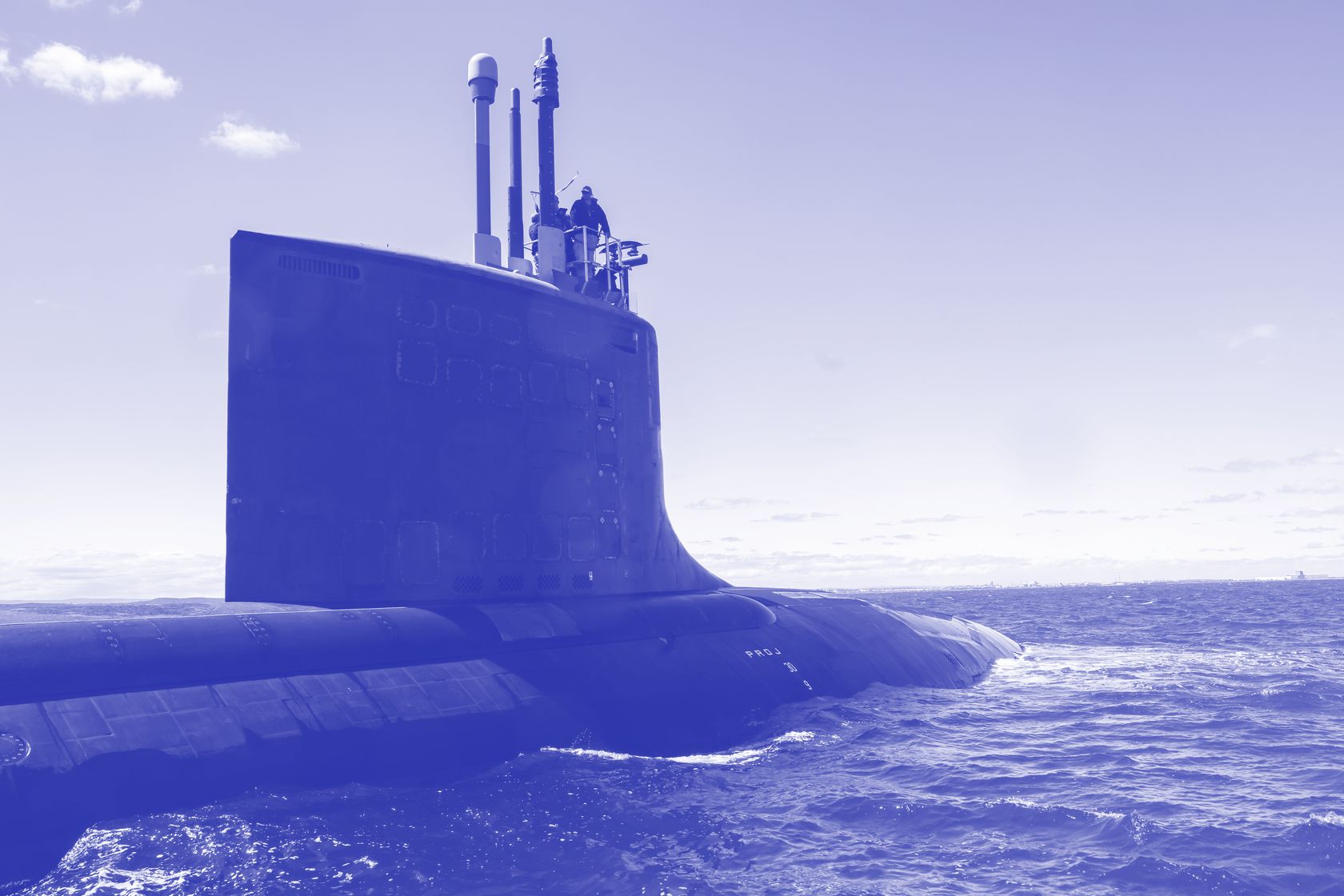
Sub doubts: The Pentagon launched a review of the 2021 AUKUS submarine deal with the UK and Australia, throwing the pact into doubt amid rising tension with China, the Financial Times reported, citing a Pentagon spokesperson and unnamed sources. The review, led by defence official Elbridge Colby (who has previously expressed scepticism about AUKUS) will assess whether the US should scrap the agreement. Canberra and London have consistently reiterated their commitment, but the review has triggered anxiety in both capitals. A US withdrawal would almost certainly end its pledge to sell up to five Virginia-class submarines to Australia from 2032. The review follows US defence secretary Pete Hegseth’s call for Australia to lift defence spending from 2% to 3.5% of GDP. Prime Minister Anthony Albanese responded that Australia would “determine our defence policy.” A Pentagon spokesperson said the review aims to ensure AUKUS aligns with the president’s ‘America First’ agenda. (FT)(Capital Brief)
2.
Done deal: US President Donald Trump said a US-China trade deal is “done,” and that the framework included an agreement for China to supply rare earths “up front.” Trump said via Truth Social that the US tariff rate would be a “total of 55%”, while “China is getting 10%.” A White House official confirmed to Bloomberg that the figure includes a 10% baseline duty, a 20% charge tied to fentanyl trafficking and roughly 25% from preexisting levies. Trump's post said that the deal “with China is done, subject to final approval with President Xi and me.” The pending agreement follows two days of talks between US and Chinese officials in London, after which China’s Vice Premier He Lifeng urged the US to comply with the trade deal. US Treasury Secretary Scott Bessent also called on Beijing to uphold its commitments under an initial trade agreement reached in Geneva last month. (Capital Brief)(Trump Truth Social)(Bloomberg)(Reuters)(WSJ)
3.
Soft print: US consumer prices rose less than expected in May, with CPI up 0.1% for the month and 2.4% over the year, according to the Labor Department. Core CPI, excluding food and energy, also rose 0.1% and 2.8% annually. Economists polled by Reuters had expected a 0.2% monthly rise and 2.5% annual increase. Declines in gasoline, used cars, airfares and apparel helped offset higher shelter, healthcare and grocery costs. Bond yields fell, led by shorter maturities, with two-year Treasury yields dropping below 4% as traders lifted the probability of a September Fed cut to 75%, up from October. About two rate cuts are priced in by year-end. Economists, however, aren’t so certain. The S&P 500 fell 0.27%. May marked the fourth straight month of softer-than-expected core inflation and showed limited tariff pass-through. Still, prices for tariff-exposed items like toys and major appliances posted their biggest increases in years, according to Bloomberg. (Capital Brief)(BLS)(Bloomberg)
4.
Signing off: The ABC will cut about 50 roles and axe the late night current affairs show Q+A in a restructure that will also see ABC Screen replace its content division. An internal staff email from ABC managing director Hugh Marks outlines major changes across the broadcaster’s content, news, audio and audiences divisions. In addition to around 40 redundancies and the early termination of 10 contracts, Marks confirmed that the ABC will discontinue Q+A, which is currently on hiatus. “Much has changed since [Q+A] launched in 2008 and it’s time to rethink how we evolve to continue to engage audiences in national conversations.” Capital Brief’s James Hennessy wrote: “The right saw it as an elitist left-wing soapbox, the left increasingly saw it as platforming reactionary garbage for the sake of balance. It’s tough to make compelling TV under those conditions.” Capital Brief revealed that Q+A was on the chopping board on Tuesday. (Capital Brief)(AFR)
5.
Euro trash: Gold surpassed the euro as the second-largest global reserve asset at market prices in 2024, according to the European Central Bank (ECB). By the end of 2024, gold bullion amounted to roughly 20% of global official reserves, topping the euro’s 16%. An ECB report on Wednesday said that central banks purchased more than 1,000 tonnes of gold in 2024, double the average annual amount seen in the previous decade. The gold demand for monetary reserves surged sharply after Russia invaded Ukraine in 2022 and has remained high since then, the ECB said. Despite these pressures, the central bank said that the global appeal of the euro is underpinned by sound policies in the euro area and strong, rules-based institutions. “Upholding the rule of law remains essential for maintaining, and potentially increasing, global trust in the euro,” said ECB president Christine Lagarde. (Capital Brief)(ECB)(ECB)(WSJ)
6.
AI Flex: Nvidia is working to push into the cloud market currently dominated by Amazon and Microsoft with a new service that enables AI developers to rent server chips directly from the chip designer. The chipmaker told rivals that they could make their AI servers available to customers of Nvidia’s new service, which would give Nvidia direct relationships with their AI customers. From Paris, Nvidia chief Jensen Huang projected that Europe’s AI computing capacity will increase tenfold in the next two years, as over 20 AI factories are in the works. Huang also announced that Nvidia will partner with Mistral AI to run the startup’s services and “build an AI cloud together.” Huang added that quantum computing is reaching an inflection point and will be powerful enough in the coming years to help “solve some interesting problems” globally. Shares in quantum technology firms rose on the comments. (The Information)(Bloomberg)(Bloomberg)
7.
Tax pressure: Business leaders will use August’s productivity summit to call for broad tax reform, warning that current settings are choking investment and economic growth. Ai Group’s submission says the burden of company tax has increased to 5.4% of GDP in 2023–24, up from 4.2% in 2013–14, and argues Australia’s 30% corporate rate is “uncompetitively high.” COSBOA is calling for the small business tax rate to be cut to 20% and says modelling shows this could lift GDP by $11.4 billion over five years. CPA Australia’s submission says the current rate reduces after-tax returns on investment and adds to compliance burdens. Prosper Australia is calling for a tax reform summit, warning that without structural change, productivity gains will inflate land prices and undermine workers and businesses. (Capital Brief)
8.
Tariff load: Imports at several of the busiest US seaports dropped sharply in May after Donald Trump’s short-lived 145% tariffs on Chinese goods stalled trade, Reuters reported citing Descartes Datamyne. Overall US imports from China fell 28.5% year-on-year, the data showed. West Coast ports were hit hard, with Long Beach down 20.9%, Los Angeles 8.5%, Seattle 17.3% and Tacoma 39.4%. On the East Coast, New York and New Jersey fell 15.3%, Norfolk 14.7%, and Wilmington 17.6%. Gulf ports Houston and Mobile dropped 3.4% and 20.4%. The report comes as the US and China announced a trade framework that would set tariffs at the prior 30% rate, combined with the 25% from Trump’s first term, for a total China rate of 55%, pending final approval. Port officials don’t expect a surge in freight, because 30% tariffs still translate into higher costs for importers. (Reuters)(Capital Brief)
