US lawmakers scramble to secure Ukraine aid deal
Plus: Beijing engineering pushes stocks to 5-month high; Uber posts its first operating profit; Pakistan blasts rock country on eve of election.

Good morning. Here's what happened overnight and what you need to know today.

1.
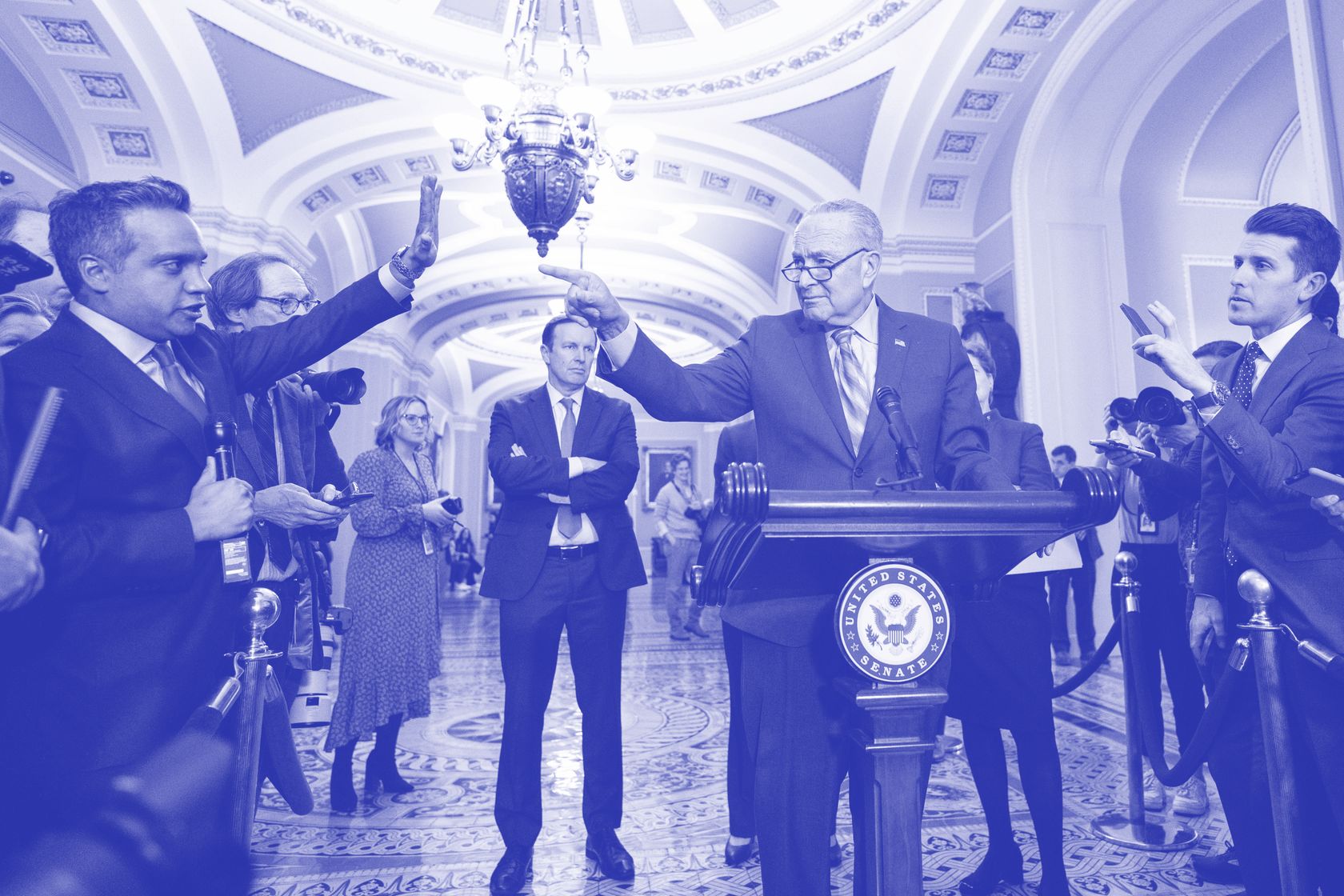
Aid politics: US Senators are rushing to salvage some form of deal for Ukraine aid, as Republicans look set to scuttle a major USD118 billion ($181 billion) national security package which included US border provisions as well as foreign aid to Ukraine, Israel and Taiwan. Senate Republicans are expected to tank the major assistance package, arguing that the proposed US border provisions aren’t strong enough. If Republicans block the package as expected, Senate majority leader Chuck Schumer reportedly plans to force a procedural vote on an emergency aid package for Israel, Ukraine and Taiwan — and drop the new border deal. (Wall Street Journal)(CNN)
2.
Synthetic stability: Chinese stock trading has surged to a five-month high, following Beijing’s move to increase buying led by the country’s “national team” of state-run institutions. Daily turnover for stocks included in the CSI 300, CSI 500 and CSI 1000 indices, rose to 699 billion yuan ($150.5 billion) on Wednesday, the highest since late August. Policymakers also removed the chair of the China Securities Regulatory Commission on Wednesday, amid their efforts to stem the rout currently plaguing Chinese markets. On Tuesday, Chinese authorities further tightened measures to curb short-selling. (Financial Times)(Reuters)
3.
Uber hits profit: Uber reported its first full year of operating profits as a public company in 2023, projecting continued growth in Q1 2024 and marking a shift away from its era of growth over profits. Uber realised a profit of USD1.43 billion last year, including a USD1 billion benefit from equity investments and income from operations. Despite turning an annual profit in 2018, this is the first time the company has been able to earn profit from its operations. (Wall Street Journal)
4.
Pakistan blasts: Two explosions near the offices of electoral candidates in Pakistan’s Balochistan province have killed at least 26 people and wounded dozens more, one day before the country’s general election. Increased military attacks and the imprisonment of Pakistan’s previous election-winner, Imran Khan, have characterised the particularly violent election lead-up. Wednesday’s blasts have not been claimed by any groups as yet, but the Islamist militant Pakistani Taliban (TTP) and separatist groups from the province have been behind recent attacks. (Reuters)
5.
Price gouging: A landmark report into price gouging and unfair pricing by the former ACCC chair, Allan Fels, found that the government's decision to reject additional Qatar Airways flights into Australia harmed the interests of consumers. Fels said the Qatar block allowed Qantas to charge ticket prices 30% higher, and that the government was acting in the interests of Qantas. Fels’ report made 35 key recommendations across prices, mergers and divestiture, competition policy and other specific industry issues. (Capital Brief)
6.
High-risk careers: McKinsey and BCG leaders told US lawmakers that their employees in Saudi Arabia could face jail time if they share details about the work they undertake for the Kingdom’s sovereign wealth fund without prior approval. Heads of four consulting firms were called to appear before Congress after refusing to comply with a subpoena for information about their work for Saudi Arabia’s Public Investment Fund. The subpoena was issued as a Senate committee is currently exploring how Saudi’s ‘soft power’ is extending its influence in the US. (Financial Times)
7.
E-commerce distress: Alibaba slashed its headcount by 20,000 during 2023, reducing its workforce by approximately the same amount as it did in 2022. Detailed in its Q4 earnings published on Wednesday, the Chinese e-commerce giant listed its total workforce at 219,260, down from 240,000 in 2022. The company also announced a significant buyback, extending its approval for repurchases by an additional USD25 billion. According to Reuters calculations from Alibaba’s quarterly earnings, Ant Group, the fintech affiliate of Alibaba, posted a 92% plunge in earnings of just 24.5 million yuan ($5.28 million) during Q3 2023. (Bloomberg)(Reuters)
8.
Gone with the wind: The world’s largest offshore wind developer, Ørsted, has launched aggressive cost-cutting measures to create a ‘leaner and more efficient company.’ The Danish firm will cut up to 800 jobs, suspend dividends, and withdraw from offshore wind markets in Norway, Spain and Portugal. Ørsted had been undertaking aggressive expansion into new markets, however, increasing interest rates and challenges at its US projects resulted in severe multibillion-dollar impairments. (Financial Times)
