US Senate approves Ukraine aid package
Plus: US inflation came in higher than expected; Bolt slashes share price by 97% in buyback; Andrew Forrest calls carbon capture a ‘complete falsehood.’

Good morning. Here's what happened overnight and what you need to know today.

1.
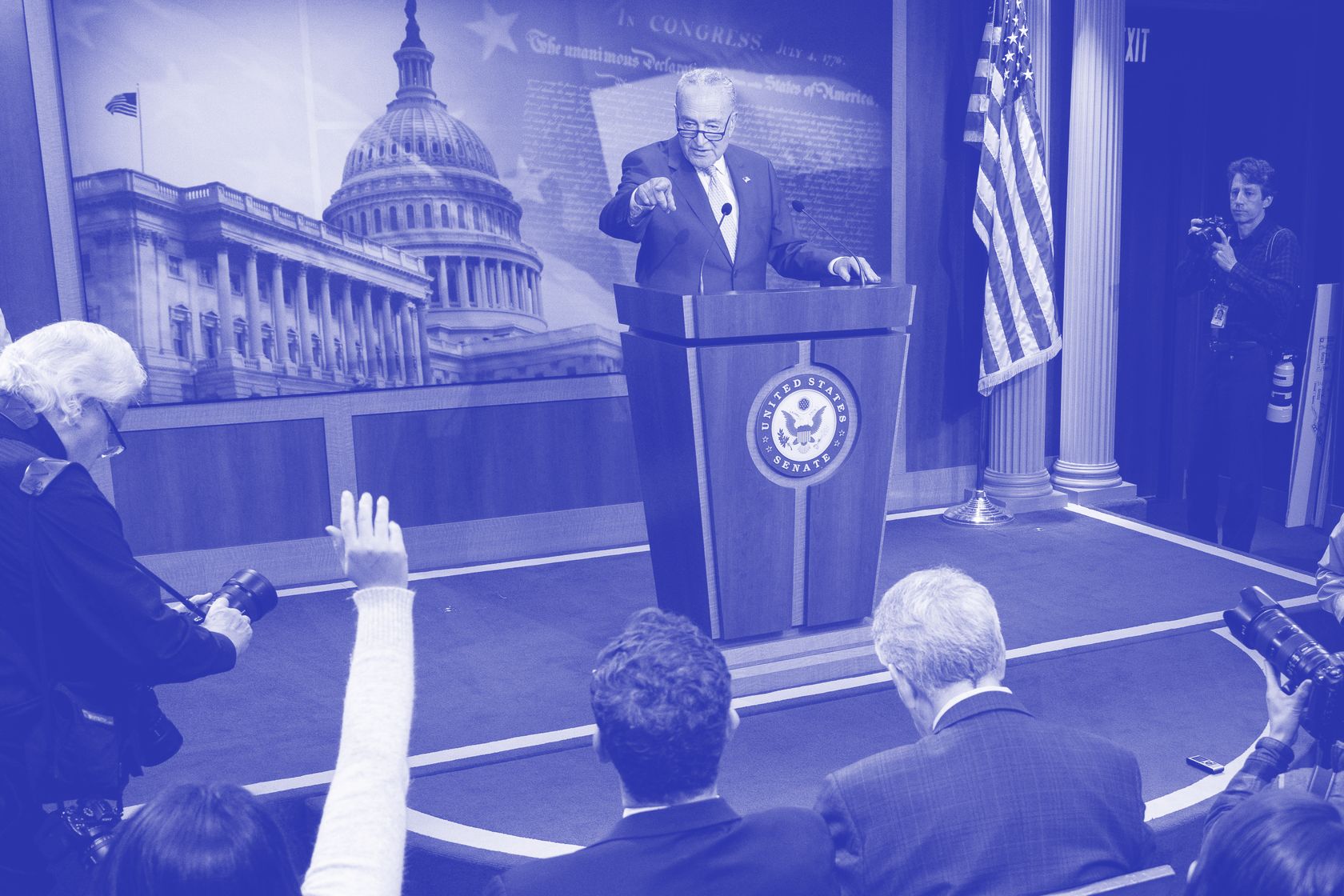
Package passed: The US Senate passed a USD95.3 billion ($147.65 billion) aid package designed to allocate funds for Ukraine, Israel, and Taiwan, overcoming objections from Republicans who are opposed to spending US money on foreign aid. The 70-29 vote was passed at 6:30am Tuesday morning after a long night of debate, with 22 Republicans joining largely Democrat support of the bill. The bill’s fate is uncertain, as it will now enter the GOP-controlled house where a greater number of Ukraine sceptics and a strong influence from presidential frontrunner Trump may slow or hamper its progression. (Wall Street Journal)
2.
Sticky inflation: US core CPI data has come in hotter than expected for January, ruling out a Federal Reserve rate cut in March, and casting doubt on hopes of a cut in May. Overall CPI advanced 0.3% month on month, a 3.1% increase for the 12 months ending January. The core consumer price index, which excludes food and energy costs, increased 0.4% from December to 3.9%, making it the largest rise in eight months. On the back of the news, equities moved away from their all-time highs and treasuries sold off across the curve. (Bloomberg)(Bureau of Labor Statistics)
3.
Cutting losses: Bolt has slashed its share price by 97% in a new investor buyback. VC firm Tribe Capital told its limited partners that it will sell shares back to Bolt at a USD300 million implied valuation, just over half the per-share price it paid five years ago. The move is part of a wider buyback being managed by Bolt, with the tender offer for investors holding preferred shares sitting at around 97% below the price at which the company raised money in 2021. The e-commerce company was valued at USD11 billion in January 2022, and faced a slowdown in revenue growth from 2021, when it began cutting costs, including four rounds of layoffs. (The Information)
4.
Twiggy’s take: Andrew Forrest labelled carbon capture technology a “complete falsehood,” while speaking at the 50th anniversary meeting of the International Energy Agency in Paris on Tuesday. The Fortescue Metal’s executive chairman said that we must have clear and obvious disincentives for harmful practices, and clear incentives for what is doing good. Several countries including the US have launched subsidies for carbon capture and storage projects to incentivise the green energy transition. Forrest added: "I say for policy makers everywhere do not be the next idiot waiting for the old lie to be trotted out and say I believe in carbon sequestration. It has only failed for 75 years [...] It's a complete falsehood." (Reuters)
5.
Shrinking output: The latest growth figures from Japan are set to confirm that its economy slipped to the fourth-largest in the world in 2023, according to Bloomberg. Despite returning to annualised growth of 1.2% in Q4, figures for the calendar year which are due on Thursday are likely to show Japan’s value of output falling behind Germany in dollar terms. Both its aging demographics and weakening currency are driving the trend. Hideo Kumano, executive economist at Dai-Ichi Life Research Institute, said: “Cheap Japan is making the Japanese economy smaller […] Japan has become a lone loser, falling below Germany, which is struggling so much in real terms.” (Bloomberg)
6.
Thiel’s perfect timing: Peter Thiel’s venture capital firm, Founders Fund, invested USD200 million into acquiring crypto tokens Bitcoin and Ether ahead of its recent bull run. Citing unnamed sources, Reuters reports that between late summer and early fall in the US last year, when Bitcoin was below USD30,000, the renowned venture capitalist began the spree and continued adding to his pool over the next few months. Bitcoin and Ether prices have gradually climbed over the past year, recovering from the crypto winter of 2022 which reached a climax with the collapse of FTX. Bitcoin reached USD50,000 for the first time in over two years this week, still below its peak of USD69,000 in November 2021. (Reuters)
7.
Body Shop flop: The Body Shop has appointed administrators for its UK arm, just weeks after its new PE owners, Aurelius, took control in a £207 million deal. The retailer, with approximately 2,000 staff across its 200 UK stores, will continue to trade while FRP Advisory oversees the administration. FRP has said that the company’s administration offers the best means of securing the brand’s future, after Aurelius last week concluded the company had insufficient working capital. (Financial Times)
8.
Aviation transformation: Renowned activist investor Carl Icahn revealed that he holds a 9.91% in troubled airline JetBlue Airways, and that he is considering pushing for board representation. After unveiling his stake in a regulatory filing, shares in JetBlue rose over 16%. JetBlue hasn’t turned a profit since 2019, and has struggled to maintain reliability due to what it says is the crowded airspace above New York where it is based. It is also appealing a federal court decision which blocked its acquisition of Spirit Airlines in January on antitrust grounds. In the filing, Icahn said that JetBlue’s shares are undervalued and represent “an attractive investment opportunity.” (Wall Street Journal)
