US Senate grills Powell, but Fed in no rush to cut
Plus: Chalmers asks regulators to lower mortgage hurdles for first-home buyers; Musk and Altman clash over rejected OpenAI bid; Trump’s tariff plan sparks global fury.

Good morning. Here's what happened overnight and what you need to know today.

1.
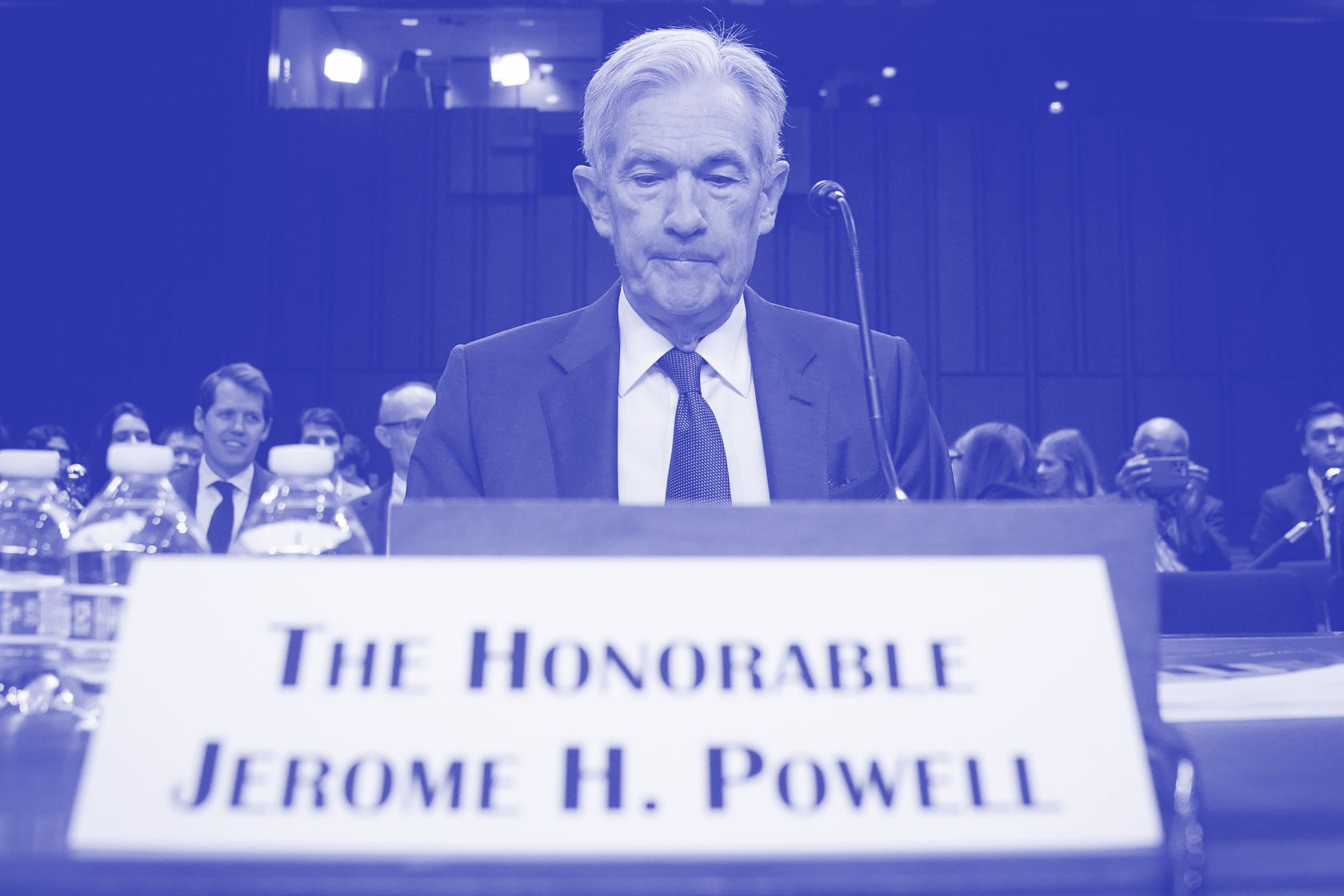
Powell spotlight: Federal Reserve Chair Jerome Powell told lawmakers the central bank is in no rush to cut interest rates, citing a strong economy and still above target inflation. “We do not need to be in a hurry to adjust our policy stance,” he told the US Senate Banking Committee. Probed, Powell also said the level of capital large banks must hold is “about right” and that the US payments system remains safe. He stressed the Fed plays no role in federal payment decisions. Pressed on the Trump administration’s efforts to shut down the Consumer Financial Protection Bureau (CFPB), he told Senator Elizabeth Warren, “No other federal regulator” is responsible for enforcing consumer protection laws in banking. Lawmakers also questioned Powell on tariffs and economic risks from Trump’s policies, but he declined to comment. “It would be irresponsible to speculate,” he said. (Capital Brief)(US Senate)
2.
Home buyers: The federal government asked financial regulators to help Australians with student debt buy homes, as housing affordability becomes a key issue ahead of the election. Treasurer Jim Chalmers requested that APRA allow banks to exclude Higher Education Loan Program (HELP) debt repayments from mortgage serviceability assessments when borrowers are expected to pay off the debt in the near term. HELP will also be removed from "debt-to-income" calculations used in lending decisions. Chalmers also asked APRA to clarify that property developers do not need to have pre-sold 100% of units to secure bank finance, challenging an interpretation of a 2017 rule. Housing affordability is a major election issue and both major parties are under pressure to help first-home buyers. Chalmers said the changes are “commonsense clarifications” to ensure borrowers with HELP debt are treated fairly and to support housing supply. APRA will begin consultations on the changes. (Capital Brief)(AFR)
3.
Just embarrassing: OpenAI CEO Sam Altman and Elon Musk traded jabs and insults once again with Altman calling Musk “not a happy person,” and Musk trolling his previous partner "Scam Altman." The two have a long-running feud over OpenAI’s mission and control, and the latest fight came after Altman rejected Musk’s USD97.4 billion offer to buy the nonprofit controlling OpenAI. "No thank you but we will buy twitter for $9.74 billion if you want," Altman posted, calling the social media platform Musk bought for USD44 billion by its former name. On the sidelines of the AI summit in Paris, Altman said, "it's ridiculous. The company is not for sale. " Musk’s lawyer, Marc Toberoff, told media he emailed the offer to OpenAI’s counsel, though a source told Reuters no formal bid was received. Altman reportedly told staff the board had rejected the offer even before seeing a formal bid, calling the effort "just embarrassing to watch." He also told Bloomberg "he is probably just trying to slow us down. Probably his whole life is from a position of insecurity,” Altman said. “I feel for the guy. I don’t think he’s, like, a happy person.” (Capital Brief)(WSJ)(Bloomberg)(Quartz)
4.
Tariff pushback: The EU, Hong Kong, Mexico and Canada joined a chorus of countries hitting back at President Trump’s plan to impose 25% tariffs on steel and aluminium imports. European Commission President Ursula von der Leyen said that “unjustified tariffs” will “trigger firm and proportionate countermeasures” by the bloc. Hong Kong said it will file a complaint with the World Trade Organisation while Canadian PM Justin Trudeau said the country will give a “firm and clear” response to the import tax. Mexican Economy Minister Marcelo Ebrard said the move is “not justified” and “unfair.” Earlier on Tuesday, Trump said he was considering an exemption for Australia on the tariffs, citing the US’ trade surplus with its AUKUS partner. But hours later the White House accused Australia of reneging on a “verbal commitment” to voluntarily restrain aluminium exports to a “reasonable level” and aluminium exporters of abusing tariff exemptions granted during Trump’s first term, citing a 103% surge in exports since 2015-2017. (Capital Brief)(Reuters)
5.
Hostage deadline: Benjamin Netanyahu said that if Hamas does not release Israeli hostages by noon on Saturday, the ceasefire in Gaza will end and the Israeli military will resume combat until Hamas is defeated. The Israeli prime minister’s ultimatum came after Hamas said it would delay further hostage releases, accusing Israel of violating the ceasefire with deadly shootings and aid restrictions, which Israel denies. US President Donald Trump supported Netanyahu’s stance, saying that if all hostages are not freed by Saturday, the ceasefire should be cancelled and “let hell break out.” Meanwhile, the Wall Street Journal reports Israel has increased troop deployments near Gaza, and protests have taken place calling for hostages to be returned. The UN has warned of an "immense tragedy" if fighting resumes. (WSJ)(Reuters)
6.
Fintech flow: Stripe is considering an employee-share sale that would value the company at USD85 billion ($135.40 billion) or more, The Information reported citing an unnamed source, helping lift the payment fintech’s valuation closer to its 2021 peak of USD95 billion. The plans follow a series of share buybacks, secondary sales and fundraises that have helped the payments provider recover from its USD50 billion valuation in March 2023, when higher interest rates slowed e-commerce growth. Investor sentiment toward private fintech startups has improved as the Federal Reserve has begun cutting interest rates. The size of the sale is not known. The new valuation would be at least 20% higher than an employee-share sale arranged by Stripe in 2024. Stripe’s valuation has also been rebounding as revenue growth recovers from a 2022 slowdown. Stripe did not comment. (Capital Brief)(The Information)
7.
Oil spill: BP’s annual profit plunged 35% in 2024, missing expectations and adding pressure on CEO Murray Auchincloss to reset the company’s strategy. BP also reported a weaker than expected Q4 replacement cost profit (used as a proxy for net profit) of USD1.2 billion ($1.91 billion), compared with USD2.3 billion in the same period in 2023. It announced a USD1.75 billion share buyback. Bonuses of senior leaders will be cut to 45% of targets after missing financial goals, Reuters reported citing sources. It follows reports that Elliott has taken a stake in BP, fuelling expectation of board and strategy changes, potentially to be announced at BP’s capital markets update on 26 February. "Investors will likely be expecting a reversal of the integrated energy company strategy, including a reduction in low-carbon spending, robust cost reduction targets and increased hydrocarbon investment that could lead to production growth," Morningstar analyst Allen Good said. (Capital Brief)(BP press release)(Reuters)
8.
London farewell: UK equipment rental company Ashtead Group has confirmed plans flagged in December to shift its primary listing from the London Stock Exchange to the US. Ashtead plans to hold an extraordinary general meeting in June, where it will need the support of at least 75% of voting shareholders to proceed. If approved, the US listing is expected to begin in Q1 2026, under a new parent company Sunbelt Rentals Holdings. Almost all of Ashtead’s operating profit (98% in FY24) is derived from North America, which is also the group’s core growth market. When Ashtead signalled its plans, the £23 billion ($45.3 billion) company became the sixth FTSE 100 business to depart the LSE since 2020. (LSE press announcement)(Capital Brief) (Financial Times)
