US warns China against dumping cheap exports on markets
Plus: Israel suffers 20% GDP tumble since outbreak of war; Capital One is mulling a Discover Financial takeover; Turkish-Russian trade falters after US sanctions.

Good morning. Here's what happened overnight and what you need to know today.
1.
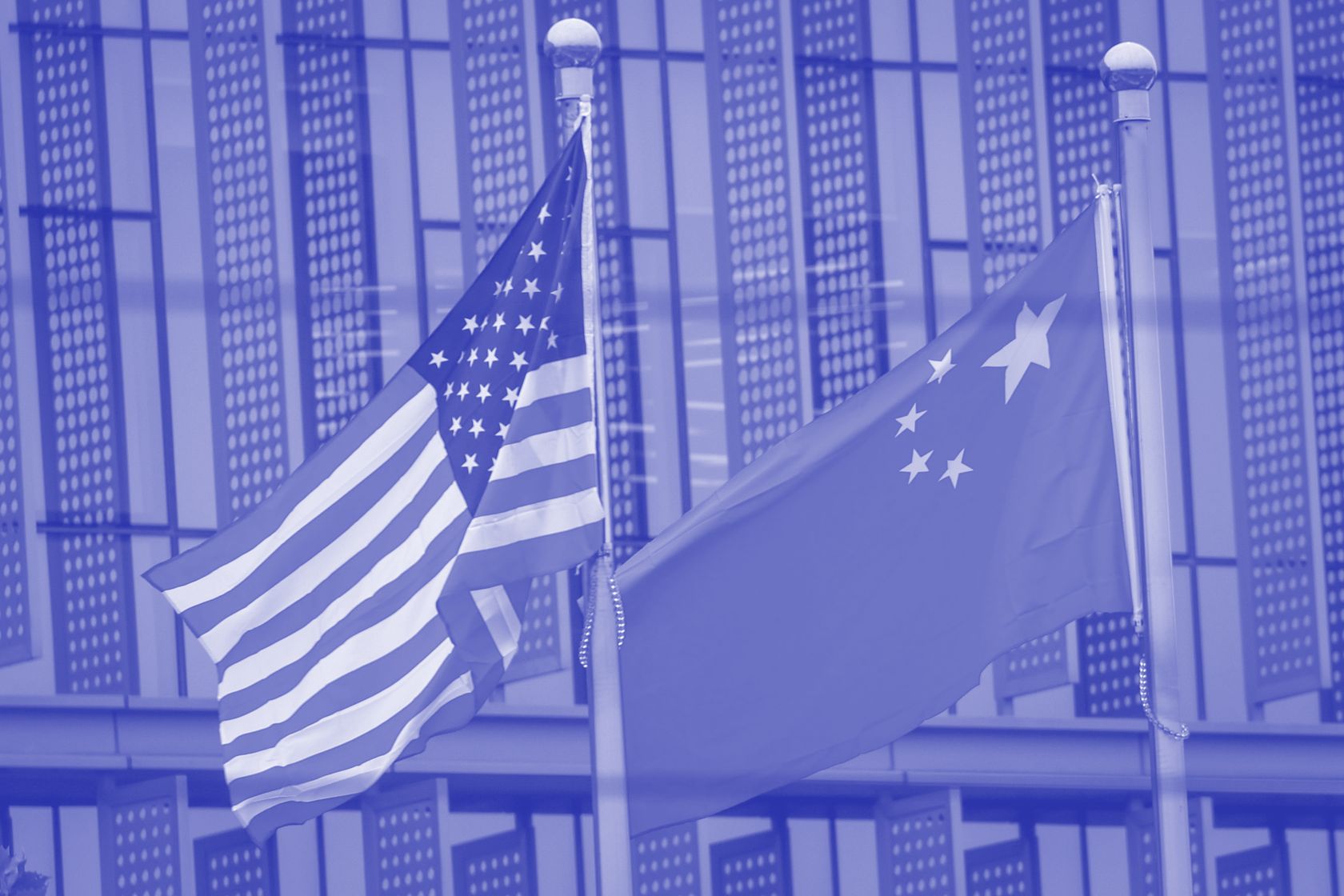
Warning shot: The US warned China that it will act if the country tried to ease its industrial overcapacity problem by dumping goods on international markets, according to unnamed treasury officials speaking to the Financial Times. Jay Shambaugh, the under-secretary for international affairs, explained that the US is worried about "Chinese industrial support policies and macro policies that are more focused on supply rather than thinking about where the demand will come from are both careening towards a situation where overcapacity in China […] is going to wind up hitting world markets.” Advanced manufacturing and clean energy sectors (including electric vehicles, solar panels and lithium-ion batteries) are the areas of most concern to the US. (Financial Times)
2.
Wartime economy: Israel’s output contracted significantly during Q4 2023, as its war with Hamas took a heavy toll on the economy. The country’s GDP plunged 19.4% on an annualised basis, compared with Q3 when it grew by a revised 1.8%, Israel’s Central Bureau of Statistics said in its initial estimate. A 26.9% drop in private consumption drove the decline, on the back of weakened confidence and spending after the October 7 attacks. (CNN)
3.
Credit merge: Capital One is exploring a potential acquisition of credit card lender, Discover Financial Services, which would combine two of the largest credit card companies in the world. Discover is currently valued at around USD27.6 billion ($42.22 billion), while Capital One has a market capitalisation of about USD52.2 billion. Sources cited by the Wall Street Journal say that a deal could be announced as early as today. In January, Discover said its Q4 profits fell 62% as a result of compliance and risk-management lapses that culminated in the resignation of its CEO. (Bloomberg)(Wall Street Journal)
4.
Trade freeze: Turkish-Russian trade has taken a hit from the US’ threat of sanctions made in December. The executive order published late last year that threatened financial firms for doing business with Russia, has disrupted or slowed some payments for both imported oil and Turkish exports, according unnamed sources cited by Reuters. The order did not explicitly target energy but it has complicated some Turkish payments for Russian crude as well as Russian payments for a range of Turkish exports. The sanctions aim to reduce the Kremlin’s revenue to disrupt its war in Ukraine without halting Russian oil flows to global markets. Russia is the top crude and diesel exporter to Turkey. (Reuters)
5.
Appetising Curry(s): Shares in Currys have soared on news that Chinese e-commerce giant JD.com is in the early stages of a possible cash bid for the UK household goods chain. A separate bid for Currys from Elliott Investment Management was rejected over the weekend, prompting speculation that a bidding war could emerge. The news pushed Currys shares up 38%, reaching a peak of around 5% more than Elliott’s rejected bid of 62 pence per share, or about £700 million. Currys has lost around 60% of its value over the last three years. (Bloomberg)
6.
Chips on the table: The US has awarded USD1.5 billion to GlobalFoundries to expand its domestic semiconductor production. The Biden administration said on Monday that the USD1.5 million grant will be accompanied by USD1.6 billion in available loans, with the funding expected to generate USD12.5 billion in overall potential investment. The chipmaker will build a new semiconductor production plant in Malta, New York, and expand existing operations in Burlington, Vermont. The projects are expected to generate more than 10,000 jobs over a decade. (Reuters)
7.
Strings attached: Saudi Arabia has issued mandates to Chinese tech giants, requiring that in return for securing large deals in the Kingdom, they must invest in the country. Alibaba and SenseTime have both secured deals worth hundreds of millions of dollars in Saudi, in exchange for setting up joint ventures there. The Financial Times reports that industry insiders claim that Saudi investors are applying increasingly stringent requirements to fund deals. One source, a Chinese consultant advising local tech companies on raising money from the Kingdom said: “They want your company and engineers to train their own talent […] It comes with strings attached.” (Financial Times)
8.
Metals mayhem: Anglo American Platinum has said it could cut around 3,700 jobs in South Africa as metals prices slide. The company said that the restructuring would affect roles across its South African operations and around 620 service providers or contractors. Prices for palladium and rhodium have fallen 36% and 58% respectively over the last year. Responding to market volatility, in December the company announced a plan to lower its production in 2024 in efforts to save USD1 billion, and that it aimed to save USD1.8 billion capex between 2023 and 2026. (Wall Street Journal)
