Wall Street higher but braces for Nvidia earnings
Plus: US intel freeze alarms Canberra ahead of key meetings; Linda Reynolds wins defamation case against Higgins; OpenAI employee share sale could swell to US$8b: The Information.

Good morning. Here's what happened overnight and what you need to know today.

1.
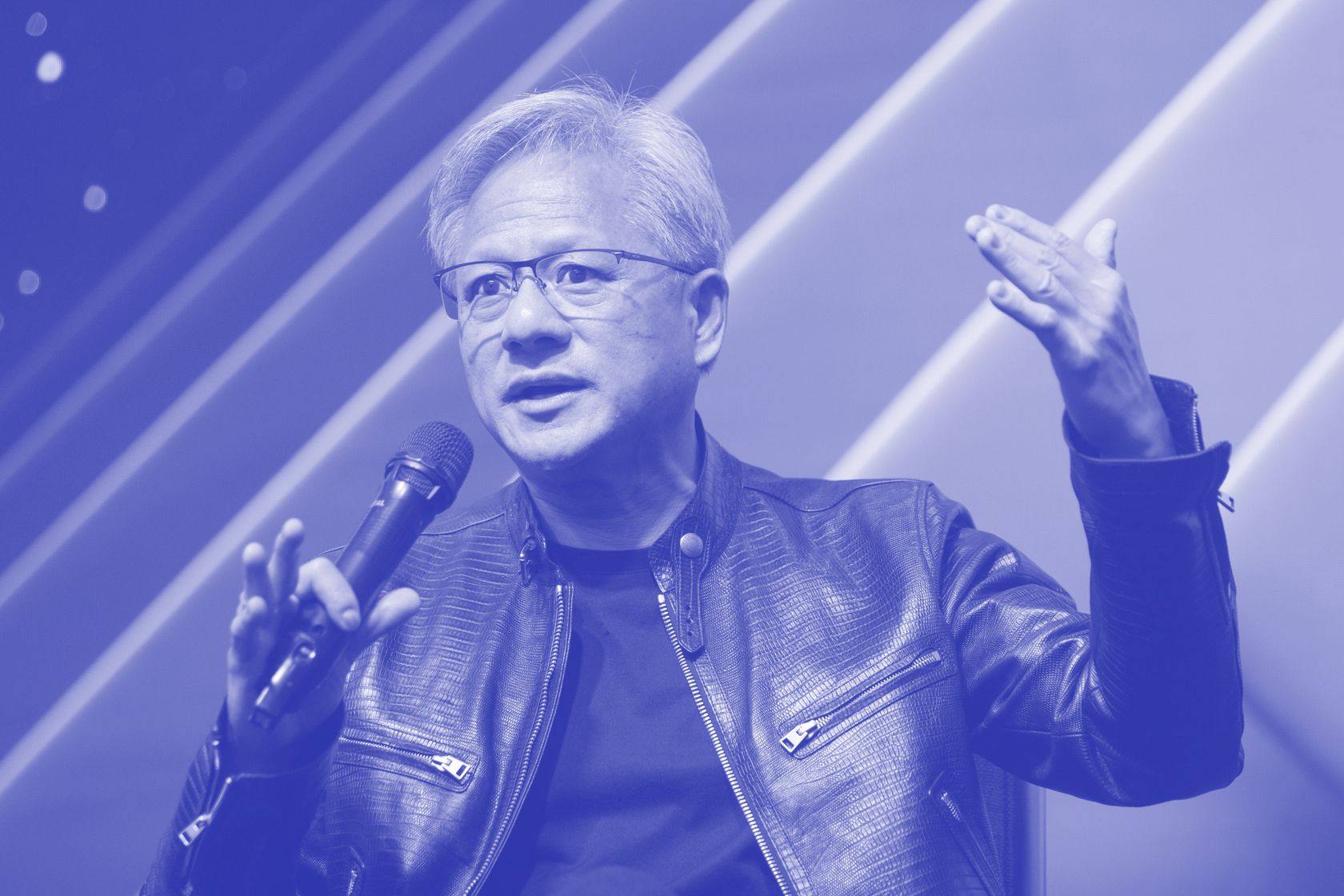
Nvidia’s day: The S&P 500 touched a record high ahead of Nvidia’s earnings, with investors bracing for results that could shake global markets and test the durability of the AI rally. Analysts were split by as much as USD15 billion ($23.1 billion) on third-quarter revenue estimates, twice the second-quarter gap and the widest in at least a decade, according to Bloomberg, driven by confusion over Nvidia’s sales in China. The second largest economy accounted for 13% of the company’s fiscal 2025 revenue, but its outlook has been complicated by US restrictions on AI chip exports and a reversal by US President Trump allowing sales to resume if the US government receives 15% of proceeds. Beijing is meanwhile reportedly urging local companies to avoid Nvidia’s less-advanced H20 chips. With a USD4.4 trillion market cap and an 8.1% weighting in the S&P 500, options traders are pricing in a 6% swing in shares after the report. (Bloomberg)(Reuters)
2.
Eyes wide shut: Credible reports suggesting the Trump administration suspended vital intelligence sharing with its 'Five Eyes' allies have sparked nervousness inside the Labor government at a delicate moment for the relationship between Canberra and Washington. As Defence Minister Richard Marles landed in Washington this week to meet with his US counterpart Pete Hegseth and Vice-President JD Vance, CBS News and POLITICO both reported that US Director of National Intelligence Tulsi Gabbard had blocked the sharing of intelligence on Ukraine-Russia peace negotiations with the Five Eyes, the intelligence sharing alliance that includes Australia. Gabbard’s spokesperson has described the report as “completely false” and insisted intelligence sharing had “never been closer”. Two senior Labor sources granted anonymity to discuss the matter conceded they were concerned for the government. While details remain murky, the directive could effectively cut Australia out of the loop over a conflict to which it has contributed over $1.5 billion in military aid. (Capital Brief)
3.
Verdict delivered: Former WA senator Linda Reynolds won her defamation case against former Parliament staffer Brittany Higgins, with the WA Supreme Court finding that Higgins’ accounts about being raped in Parliament House contained “dishonest”, “objectively untrue and misleading” statements that could not solely be attributed to trauma. Reynolds launched the legal action following a series of social media posts which were shared by Higgins in 2022, arguing that the posts damaged her reputation and caused significant distress. Higgins wrote the posts four years after she was raped by her former colleague Bruce Lehrmann in then-senator Reynolds' office. Justice Tottle found that three social media posts shared by Higgins were defamatory. Higgins was ordered to pay $315,000 plus $26,000 interest. The Australian reports that Reynolds’ legal team indicated it would seek indemnity costs from Higgins and flagged it was willing to pursue further proceedings to access the trust holding her assets if necessary. (Supreme Court of WA)(The Australian)(ABC)(Capital Brief)
4.
Swelling sale:OpenAI’s plan to allow employees and former staff to sell USD6 billion ($9.34 billion) in private stock to investors could swell by another USD2 billion, according to The Information. The outlet reports that the ChatGPT maker will allow current and former employees to sell up to USD8 billion at a valuation of USD500 billion. If finalised, the sale would amount to almost the entire volume of shares sold by the startup’s employees and stakeholders in 2024. The company is aiming to kick off the process for eligible employees and ex-employees to sell shares later next week. OpenAI’s unusual corporate structure means that employees currently hold units that give them a share in OpenAI’s eventual profits, rather than traditional equity. Softbank has reportedly committed to buying at least USD1 billion in this employee share sale and Thrive Capital, T Rowe Price and Dragoneer Investment Group have reportedly also discussed involvement in the sale. (The Information)(Capital Brief)
5.
Penalty tariffs: The US hit India with additional 25% punitive tariffs over its purchases of Russian oil, which will be imposed on top of the 25% ‘reciprocal’ trade tariff on Indian goods shipped to the US. Total duties for applicable goods will now reach 50%, with a three-week exemption for goods that were already loaded onto a vessel and in transit to the US before the deadline. Steel, aluminium and derivative products, passenger vehicles, copper and other goods subject to separate tariffs of up to 50% were exempted from the new levies. Trump announced the punitive tariffs over the country’s purchasing of Russian energy earlier this month, after talks between Washington and Moscow failed to progress. The White House said India’s importation of Russian oil undermines US efforts to counter Russia’s harmful activities, while India’s reselling of Russian oil further enables the Russian economy to fund its aggression. (Reuters)(FT)(Bloomberg)(Capital Brief)
6.
Tech bite: China’s chipmakers are seeking to triple the country’s total output of AI processors next year, the Financial Times reported, as Beijing races the US to develop the most advanced AI. SMIC, China’s leading fab, reportedly plans to double its capacity next year for 7 nanometre chips, the most advanced mass-produced type in China. Three new fabrication plants tied to producing Huawei AI chips could exceed SMIC’s current output once fully ramped up, according to the report. Meanwhile, OpenAI and Anthropic said they evaluated each other’s AI models for hallucinations and misalignment in what OpenAI called the first major cross-lab safety and alignment exercise. Anthropic also reported its Claude tool was used in cyberattacks targeting at least 17 organisations. While, AI startup Vercel tripled its valuation to USD9 billion in a funding round led by Accel.(FT)(Bloomberg)
7.
TikTok dance: TikTok owner Bytedance, will launch a new employee share buyback valuing the company at more than USD330 billion ($506.9 billion), driven by continued revenue growth, Reuters reported citing three unnamed sources. Employees will be offered USD200.41 per share, up 5.5% from the USD189.90 offered six months ago, which valued ByteDance at about USD315 billion. The buyback is expected to launch in the northern autumn. Second-quarter revenue rose 25% year-on-year to around USD48 billion, mostly from the Chinese market, according to two of the sources. First-quarter revenue exceeded USD43 billion, topping Meta’s USD42.3 billion. While ByteDance is profitable, TikTok’s US operations remain loss-making. Congress last year passed a law requiring ByteDance to divest TikTok’s US assets by 19 January 2025 or face a nationwide ban. President Trump has extended the deadline to 17 September, saying US buyers are lined up and the date could be pushed back again. (Capital Brief)(Reuters)
8.
Trump’s targets: US President Donald Trump called for billionaire financier and Democratic donor George Soros and his son Alexander to be charged under the Racketeer Influenced and Corrupt Organizations (RICO) Act, claiming they supported violent protests “and much more” throughout the US. Offering no evidence for the allegations, Trump referred to Soros’s associates as “psychopaths” and warned, “we’re watching you.” The post came shortly after reports in right-leaning outlets claimed that Soros’s philanthropic group, Open Society Foundations, was funding protests, particularly against Trump’s deployment of federal troops. In response, the organisation called the accusations “outrageous and false” and said it does not support or fund violent protests. The post is the latest in a series of threats and legal actions Trump has directed at political opponents, critics and former allies. (Trump’s post)(Reuters)(Axios)(FT)
