Wall Street on edge ahead of Nvidia earnings
Plus: Musk says Trump’s ‘big beautiful bill’ undermines DOGE work; Germany to help Ukraine build long-range missiles; Telegram partners with xAI’s Grok for over 1b users.
Good morning. Here's what happened overnight and what you need to know today.
Get Standup in your inbox Signed up to Standup
1.
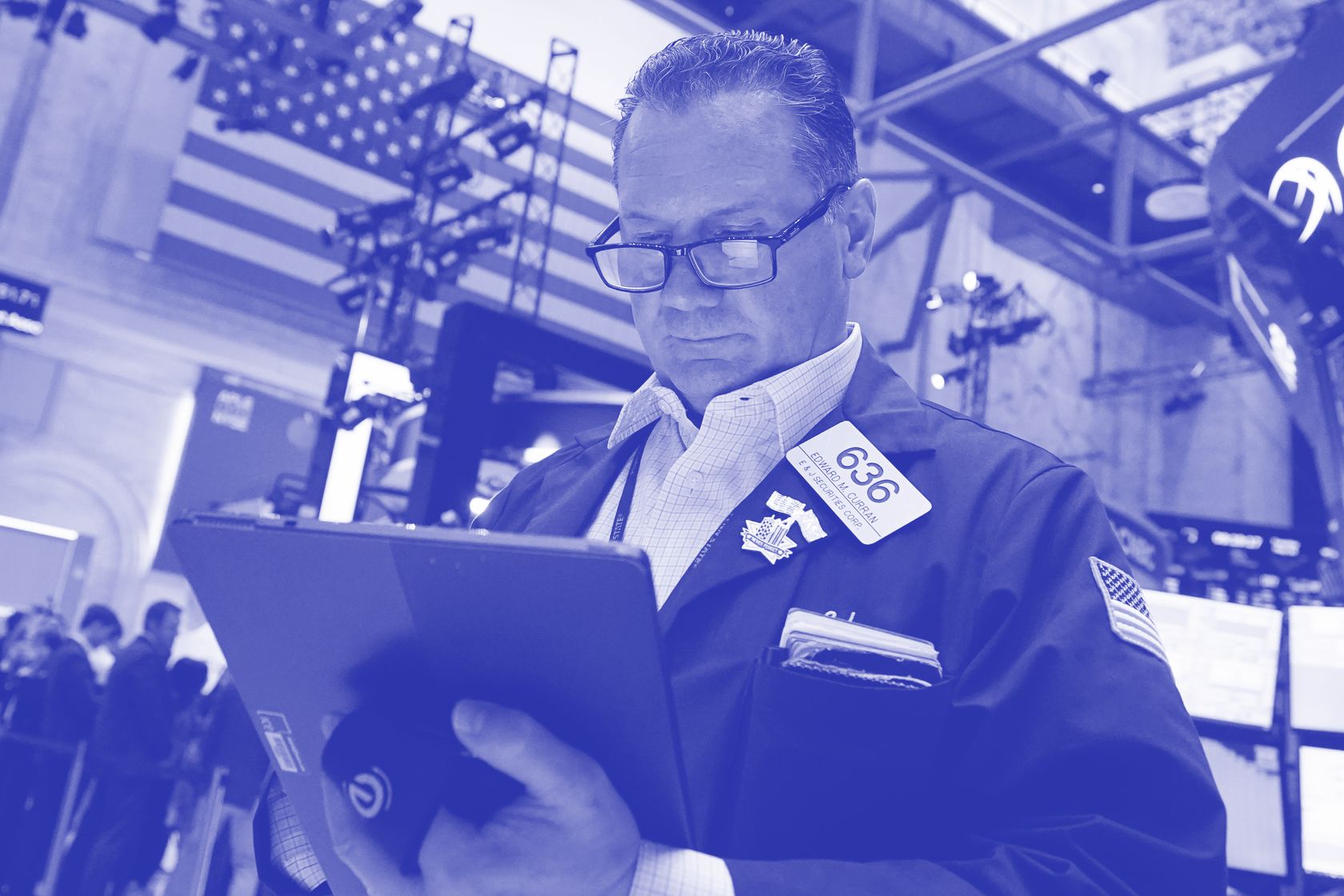
Nvidia’s edge: Global markets were on edge ahead of Nvidia’s Q1 earnings, with its results seen as a bellwether for the AI-driven stock rally from April’s lows. Options trading signals the potential for a 6–7.4% swing in Nvidia’s shares after the results. The S&P 500 and Nasdaq showed caution closing little changed on the downside, with Treasuries rising. Analysts expect Nvidia’s earnings to be impacted by a US export ban on its H20 chips, which has slashed China sales, though many expect new AI chip deals in the Middle East and resilient demand will offset those losses. With investors holding an estimated USD7 trillion ($10.9 trillion) parked in cash funds, according to Bloomberg, a strong report could spark a big market rally and shift focus away from trade tensions and tariffs. (Bloomberg)(Forbes)(Reuters)
2.
Big v Beautiful: Elon Musk criticised Donald Trump’s so-called big, beautiful bill, saying “I was disappointed to see the massive spending bill, frankly, which increases the budget deficit,” adding it “undermines the work that the DOGE team is doing.” The bill, officially called the One Big, Beautiful Bill Act, narrowly passed the House and includes major tax cuts, military and immigration spending increases, and cuts to health, nutrition, education, and clean energy programs. The Congressional Budget Office estimated it would add USD3.8 trillion ($5.9 trillion) to the US deficit over 10 years, with national debt now at USD36.2 trillion. “A bill can be big or it can be beautiful,” Musk said. “But I don’t know if it can be both.” Asked about Musk’s comments, Trump declined to respond directly, but defended the bill as needed to avoid a 65% tax increase. Trump was also asked about the TACO trade, an acronym describing his tendency to back down from tariff threats: Trump Always Chickens Out. He called the question “the nastiest” and defended his approach as tough negotiation. (CNN)(NYT)(CNBC)
3.
Missile pact: German Chancellor Friedrich Merz said Berlin will help Ukraine produce long-range missiles, as Russia’s intensifying air and ground attacks push Europe to increase pressure on the Kremlin. Speaking with Ukrainian President Volodymyr Zelensky in Berlin, Merz announced “joint projects” to produce long-range weapons capable of striking military targets in Russia and Russian-controlled Ukrainian territory. “This is the first step towards joint production of long-range weapons in Ukraine,” said Merz, describing it as “a co-operation on an industrial level.” The plan excludes delivery of Taurus missiles, which his coalition partners oppose. Zelensky is also pushing for new sanctions against Russia to counter its escalating attacks, and said he discussed them with Trump at the Vatican earlier this month. “This is a very dangerous trend, an irresponsible position that Germany is taking,” Kremlin spokesman Dmitry Peskov told media of the alliance. (FT)(AP)(Reuters)
4.
AI telegrams: Telegram agreed to a 12-month partnership with Elon Musk’s xAI to distribute Grok to the messaging app’s billion-plus users, integrating it into its app. Telegram CEO Pavel Durov announced the move via X on Wednesday, adding that Telegram will receive USD300 million ($467 million) in cash and equity from xAI, as well as 50% of revenue from xAI subscriptions sold via the Telegram app as part of the deal. Durov’s X post shows Grok being pinned to the top of a Telegram chat, with users able to ask Grok questions from the search bar. The video also shows Grok being used to write suggestions, summarise chats and documents and to create stickers. An X user asked Durov whether any Telegram data would be provided for training the AI tool as part of the model, he responded: “No, this has not been discussed.” (Durov X post)(Bloomberg)(Reuters)(TechCrunch)
5.
No shortcuts: In his new report examining the productivity bubble that occurred during Covid-19, Productivity Commission deputy chair Alex Robson says we must look to tax, red tape and investment as global uncertainty grows. As the pandemic unfolded, the rate of productivity — after years of languishing — unexpectedly improved. The main driver behind the improvement was the shutdown of industries such as hospitality and the arts which are, on paper, less productive. It was a blip. Robson told Capital Brief there is no silver bullet for lifting productivity in the long term and “no shortcuts” to raising future living standards. The federal government is clearly aware of the issue. Treasurer Jim Chalmers recently faced criticism after suggesting it could take a third term in office, and possibly decades, to see meaningful improvements in productivity, despite making it a priority for Labor’s second term. (Capital Brief)
6.
Fashion float: Fast fashion retailer Shein could IPO in Hong Kong after its London listing plans stalled. Sources cited by Reuters said that Shein’s proposed IPO on the London Stock Exchange failed to gain approvals from Beijing and now aims to file a draft prospectus with the Hong Kong stock exchange in the coming weeks. A Hong Kong float would go against Shein’s original goal of going public abroad to establish itself as a global, rather than Chinese company. Shein has struggled to find a suitable IPO venue over the past few years, with supply chain scrutiny scuttling its initial US ambitions before switching its efforts to a UK IPO. While a shift to Hong Kong would be a major blow to London’s (almost non-existent) IPO market, it would be a major win for Hong Kong which already completed the year’s largest IPO with CATL’s recent listing. (Capital Brief)(Reuters)(Bloomberg)
7.
Israel conflict: Israeli Prime Minister Benjamin Netanyahu said Israel eliminated Hamas Gaza chief Mohammad Sinwar, a key target and the younger brother of the former (deceased) group's leader, Yahya Sinwar. Speaking to Israeli Parliament, Netanyahu confirmed earlier reports that Sinwar had been the target of an Israeli strike in Southern Gaza in early May. Sinwar’s brother Yahya was the mastermind of the October 2023 attacks on Israel which triggered the war. "In the last two days we have been in a dramatic turn towards a complete defeat of Hamas," Netanyahu said. He also claimed that Israel was "taking control of food distribution," following global outrage at the country’s continued blockade of the Gaza strip and grave warnings about starvation in the enclave. On Tuesday, dozens of people in Gaza were injured when crowds overwhelmed an aid distribution centre run by a group backed by Israel and the US, Gaza Humanitarian Foundation. (Reuters)(CNN)(BBC)
8.
Monetary monarchs: Former World Economic Forum chief and founder, Klaus Schwab, told the FT that Christine Lagarde discussed cutting short her term as European Central Bank (ECB) president to become chair of the WEF. 87-year-old Schwab left the WEF in April after misconduct allegations (which he denies) forced the organisation’s succession issue to come to a head. Schwab said that practical arrangements had been made for Lagarde to take over the WEF before her ECB tenure ends in 2027. Sources told FT that there was a mutual understanding that Lagarde would leave the ECB at least 10 months before her term ends. Schwab, however, is concerned that the handover to Lagarde might be jeopardised because of his early departure and potential damage to the institution’s reputation. “I don’t want to lose her. I want to make sure what has been built here…is not destroyed,” Schwab told the FT. (FT)