Wall Street rebounds despite tariff fallout
Plus: Bessent calls US-China tariff ’embargo’ untenable; Tesla shares jump before earnings; IMF cuts global growth outlook on tariffs.


Good morning. Here's what happened overnight and what you need to know today.

1.
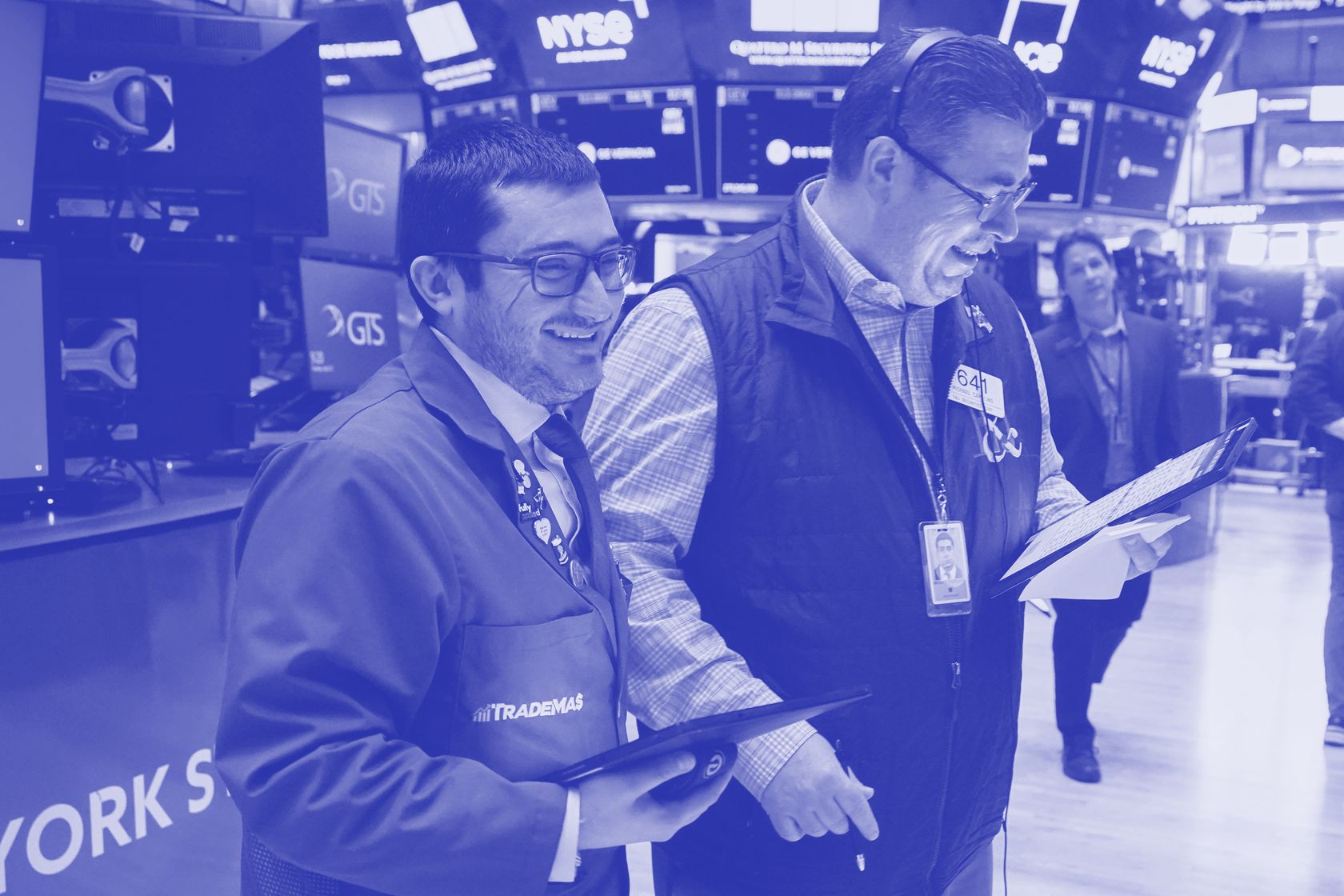
Market rebound: US shares rebounded Tuesday (Wednesday AEST), with major indexes rising over 2%, as hopes for a de-escalation in the US–China tariff standoff lifted sentiment. The Dow gained 2.6%, the S&P 500 2.5%, and the Nasdaq 2.7%, led by big tech and an 8% jump in 3M after the conglomerate beat profit expectations despite warning of a potential tariff hit. Treasury yields edged lower, gold briefly topped USD3,500 ($5,480) a troy ounce, and Bitcoin rose above USD90,000. The rebound came as hopes rose on trade talks and despite fresh signs of tariff fallout: RTX and GE Aerospace forecast hits of USD850 million and USD500 million respectively, while Kimberly-Clark cut its profit outlook, citing a shifting “global geopolitical landscape.” Telecommunications provider Verizon beat 1Q earnings expectations but posted a wider loss in postpaid phone subscribers, sending shares lower as it pointed to heavy competition and less spending by government agencies. (Capital Brief)(Bloomberg)((WSJ)
2.
Tariff talk: US Treasury Secretary Scott Bessent told a closed-door investor summit Tuesday that the tariff standoff with China is “unsustainable” and that he expects the situation to de-escalate, Bloomberg reported citing people who attended. Bessent said negotiations have not started yet, but that a deal is possible, the publication added. Bessent was speaking at an event hosted by JPMorgan Chase in Washington, which wasn’t open to the public or media. Bessent also reportedly said the US and China essentially have a trade embargo in place, with both slapping tariffs of more than 125% on each other’s goods. US stocks rose after his comments. (Capital Brief)(Bloomberg)
3.
Tesla’s day: Tesla shares gained ahead of its first-quarter earnings report, after dropping 5.9% the day before. The stock has tumbled more than 40% since the start of 2025, as political entanglements and weakening sales pushed deliveries to a nearly three-year low. Analysts expect profits to fall and revenue to stay flat, with expectations slashed by about 12% and 6% respectively in the past month alone. Investors will be looking for details on Tesla’s self-driving vehicle, new models, and hints of whether Elon Musk will step back from politics and focus on the company. Meanwhile, treasurers from eight US states urged Tesla’s board to tighten oversight and questioned whether Musk is paying enough attention to the company’s challenges. Barclays said the company’s profit margin from the core auto business is expected to reach a new low. (Reuters)(Bloomberg)
4.
Economic challenge: The International Monetary Fund downgraded its global growth forecast, citing US tariffs and heightened uncertainty. In its April 2025 World Economic Outlook, the IMF warned that deep global integration means any unwinding could spark serious upheaval. It expects the tariff hike on 2 April will slow global growth in the near term, with trade growth revised down by 1.5 percentage points for 2025. Risks of escalating trade retaliation and tighter financial conditions could further weigh on growth. Coordinated de-escalation and policy clarity could improve the outlook, it said. The IMF urged fiscal restraint, proactive monetary policy and productivity reform, while warning of currency market volatility. Global growth is now projected at 2.8% in 2025 and 3% in 2026. In Australia, GDP is expected to grow by 1.6% in 2025. Treasurer Jim Chalmers said the report confirmed trade tensions are fuelling inflation. (Capital Brief)(IMF)
5.
Third debate: Anthony Albanese flatly ruled out “any arrangement” with the Greens in a hung parliament, during the third leaders’ debate, as early voting opened. When Peter Dutton asked, “You won’t enter any arrangements with the Greens?”, Albanese replied, “No, I won’t.” Dutton accused the prime minister of being “loose with the truth” and said Labor’s $600 billion costing of the Coalition’s nuclear policy came from an interest group. Albanese challenged Dutton to reveal spending cuts, while Dutton struggled to articulate where his proposed cuts to government spending would come from. “We will look at government expenditure … we’ll see where the government’s wasting money,” Dutton said. He added that polling showing the Coalition trailing might not reflect the final result, citing the 2019 election when surveys wrongly predicted a Labor victory. Both leaders said they supported four-year government terms. (Capital Brief)(AFR)
6.
Indian progress: US Vice-president JD Vance hailed “very good progress” on a trade agreement with India during the highest-level visit to the country by a Trump administration official. Speaking in Jaipur, Vance said “America and India have officially finalised the terms of reference for the trade negotiation”, calling it “a vital step” setting out “a road map towards a final deal between our nations”. The first tranche is expected by autumn. Without an agreement, India faces a 26% “reciprocal” tariff on exports to the US, imposed in early April and paused by Trump for 90 days. The Financial Times reported the US intends to press India to give Amazon and Walmart full access to its USD125 billion ecommerce market. Modi and Vance “welcomed the significant progress” in broader talks. Meanwhile, suspected militants killed at least 28 tourists in Kashmir. A group called “Kashmir Resistance” claimed responsibility. Modi condemned the “heinous act” while Vance and Trump offered condolences. (Capital Brief)(India’s ministry of external affairs)(FT)
7.
Kremlin bargain: Vladimir Putin has offered to halt his invasion of Ukraine across the current front line as part of efforts to strike a deal with US President Donald Trump, the Financial Times reported, citing people familiar with the matter. The Russian president told Trump’s special envoy Steve Witkoff during a meeting in St Petersburg that Moscow could relinquish its claims to areas of four partly occupied Ukrainian regions that remain under Kyiv’s control. The US has since floated ideas for a possible settlement, including recognising Russian ownership of Crimea and acknowledging the Kremlin’s de facto control over parts of the four regions it currently holds. Ukrainian President Volodymyr Zelenskyy said he had not received a proposal outlining specific steps but would be ready for direct talks once a ceasefire is in place. Meanwhile, the artist behind a Kremlin-commissioned Trump portrait has revealed the painting gifted by Putin. (FT)
8.
Mapped exit: Boeing will sell parts of its Digital Aviation Solutions unit—including Jeppesen, ForeFlight, AerData and OzRunways—to private equity firm Thoma Bravo for USD10.55 billion ($16.5 billion) in cash. The move is part of CEO Kelly Ortberg’s strategy to focus on core operations, strengthen the balance sheet and maintain an investment grade credit rating. Jeppesen, acquired in 2000 for USD1.5 billion, was among Boeing’s most valuable assets on the block. The sale, expected to close by end-2025, includes around 3,900 employees. Thoma Bravo beat rival bidders including Advent and Veritas. Analysts at Jefferies said a broader asset package helped lift the valuation beyond initial USD6–8 billion estimates. Boeing, which reports earnings tomorrow, will retain core digital tools for fleet maintenance, diagnostics and repairs. (Boeing)(Capital Brief)(Bloomberg)
