Wall Street shrugs off weak manufacturing data
Plus: Musk’s xAI and Neuralink in fundraising spree; Greens Senator Dorinda Cox defects to Labor; Chime targets $17.3 billion valuation with IPO.

Good morning. Here's what happened overnight and what you need to know today.

1.
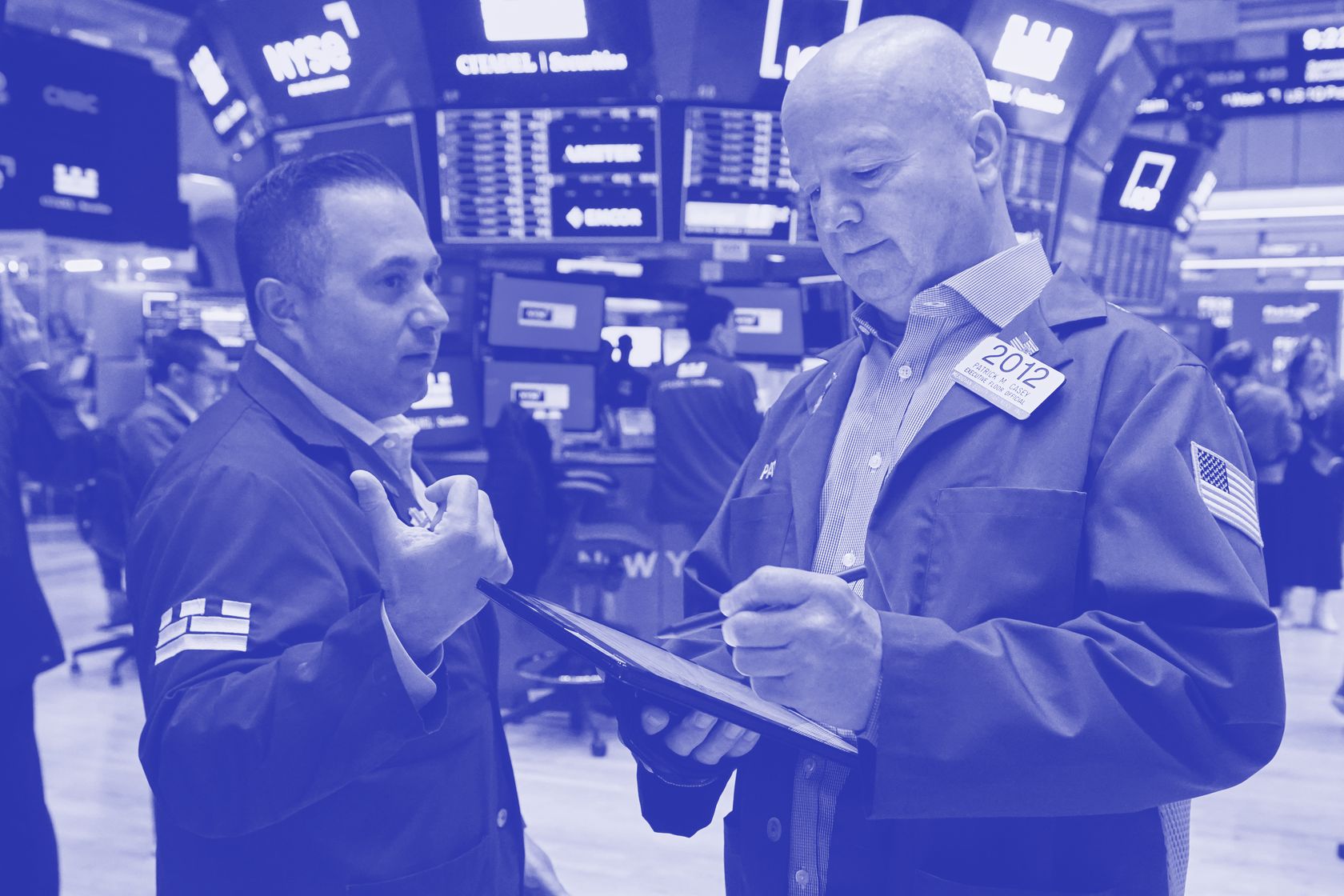
Market read: US stocks erased early losses on Monday, with the S&P 500 rising 0.41%, the Nasdaq up 0.67% and the Dow edged up 0.8%, as a rebound in tech stocks and a rally in steel shares offset initial declines. The dollar fell 0.7% against major currencies, nearing a three-year low, as US government bonds came under pressure and the yield on the 20-year briefly fell below that of the 30-year for the first time since 2021. Stocks had fallen earlier in the day as US manufacturing data disappointed, before rebounding on tech gains and tariff-driven steel rallies. Nvidia led a rally in chipmakers and steel shares surged on Donald Trump’s announcement that tariffs on imported steel and aluminium would double from Wednesday. Oil prices climbed over 3% following Ukraine’s drone strikes on Russian airfields, while OPEC+ maintained output levels for July. Meanwhile, Chicago Fed President Austan Goolsbee said US rates could fall if trade tensions ease (Bloomberg)(Reuters)(WSJ)
2.
Musk value: Elon Musk’s xAI is launching a USD300 million ($462.4 million) share sale valuing the group at USD113 billion, allowing staff to sell shares to new investors, the Financial Times reported, citing unnamed sources. A secondary offering is expected to be followed by a larger investment round in which xAI will offer new equity to outside investors. In March, xAI acquired Musk’s social media platform X, valuing xAI at USD80 billion and X at USD33 billion. Bloomberg reported Morgan Stanley is also leading a USD5 billion debt sale for xAI, comprising a term loan B, fixed-rate loan and senior secured notes, with proceeds for general corporate purposes. Meanwhile, Musk’s brain implant company Neuralink also said it had raised USD650 million in its latest funding round. The fundraising follows Musk stepping back from the Trump administration’s cost-cutting initiative to refocus on his businesses. (FT)(Bloomberg)(Capital Brief)(Neuralink)
3.
Dorinda defects: A shock defection enraged members of the Greens party after Senator Dorinda Cox announced that she has joined the Labor party. Following an unsuccessful bid to become deputy leader of the Greens, Senator Cox told a press conference in Perth alongside Prime Minister Anthony Albanese that she was looking forward to serving as a Labor Senator, adding that she had only told Greens leader Larissa Waters an hour earlier. Albanese welcomed Cox to the Labor party, saying that she wants to be in “a government that can make decisions, to make a difference.” Waters slammed Senator Cox after the announcement, saying the party is disappointed and that the Senator has said that “her values align with the Labor party. This is the same Labor party who this week approved the climate wrecking North West Shelf gas project, which UNESCO advises will destroy significant First Nations heritage and ancient rock art.” (Capital Brief)(Greens)(The Australian)(ABC)
4.
Alluring listings: Digital banking startup Chime is targeting a USD11.2 billion ($17.3 billion) fully diluted valuation when it lists on the New York Stock Exchange. The valuation would be a steep markdown from its peak of USD25 billion in a 2021 funding round. The company said that it will seek to raise as much as USD832 million by offering 32 million shares between USD24 and USD26 per share. In an SEC filing, the San Francisco-based fintech states that co-founders Christopher Britt and Ryan King will continue to hold the majority of shareholder voting power after the IPO. As appetite for listings builds globally, Circle has increased the size of its IPO, now offering 32 million shares at a price range of USD27 to USD28 apiece, which could see the crypto player raise as much as USD896 million. UK digital bank Monzo, still delaying IPO plans, saw revenue eclipse £1 billion for the first time. (Chime)(Reuters)(Bloomberg)(Circle)(Bloomberg)(FT)
5.
Eurosceptic triumphs: Poland’s Prime Minister Donald Tusk will call for a parliamentary vote of confidence after nationalist opposition leader Karol Nawrocki narrowly won the presidential election, dealing a blow to the centrist government’s pro-European agenda. Nawrocki, backed by US President Donald Trump, secured 50.89% of the vote, defeating pro-EU candidate Rafal Trzaskowski, Warsaw’s mayor and Tusk’s candidate. The result raises questions about Poland’s role in the EU, especially as Nawrocki is expected to oppose Ukraine’s NATO bid. Hungary’s Viktor Orbán hailed Nawrocki’s “fantastic victory.” Meanwhile, Russia told Ukraine during Monday’s hour-long peace talks that it would only end the war if Kyiv ceded large new territories and accepted army limits, according to a Russian media-reported memorandum. The Istanbul talks come one day after Kyiv staged a bold aerial attack on Russian long-range bombers and aircraft. (Capital Brief)(Poland National Electoral Commission)(Reuters)(Bloomberg)
6.
Tariff uncertainty: US manufacturing activity shrank for a third straight month in May, with the ISM index falling to 48.5, its lowest since November, the Institute for Supply Management reported. Readings below 50 indicate contraction. Uneven tariff rollouts and changes created uncertainty, supply delays, bottlenecks and delivery disruptions, the data reflected. ISM’s import measure fell to a 16-year low of 39.9, while exports dropped to a five-year low, possibly reflecting retaliatory tariffs. New orders contracted for the fourth month. Prices paid by manufacturers remained high at 69.4 amid supply chain disruptions. “In our survey, 86% of the general comments from our panellist were about the tariffs. It was 82% last month. It just continues to grow. It’s not gotten any better, the uncertainty is even worse,” Susan Spence, chair of the ISM Manufacturing Business Survey Committee told Bloomberg. (Capital Brief)(ISM)
7.
Meta ads: Meta plans to let brands fully create and target ads using artificial intelligence by the end of 2026, according to sources cited by the WSJ. While the social media giant already offers some AI tools that can generate variations of existing ads and make minor changes to them before targeting the ads to users, the company will now assist brands in creating advertising concepts from scratch. The move could be a boon for SMEs which account for the majority of advertisers on Meta platforms, the Journal writes, as they often lack big budgets for ad creation. Last month Meta CEO Mark Zuckerberg said that his overarching plans would effectively wipe out the advertising ecosystem, telling The Verge that businesses will be able to approach Meta with their objective and “read the results that we spit out…think it is a redefinition of the category of advertising.”(WSJ)(Reuters)(The Verge)
8.
Anti-antitrust: Google has agreed to spend over USD500 million ($770.4 million) over 10 years to overhaul its compliance structure to settle shareholder litigation accusing the tech giant of antitrust violations. The preliminary settlement of the lawsuit against officials at Google’s parent Alphabet including CEO Sundar Pichai and co-founders Larry Page and Sergey Brin still requires approval. The changes would see a standalone board committee to oversee risk and compliance, as well as the creation of a senior committee to address regulatory and compliance issues. Shareholders had accused Google executives and directors of breaching their fiduciary duties by exposing the company to antitrust liability. Last month, Google agreed to pay Texas USD1.4 billion to resolve data privacy claims. Across the pond, Apple is challenging an EU order to open up its closed ecosystem to rivals including Meta and Alphabet, arguing the demands are unreasonable and would hamper innovation. (Reuters)(Reuters)
